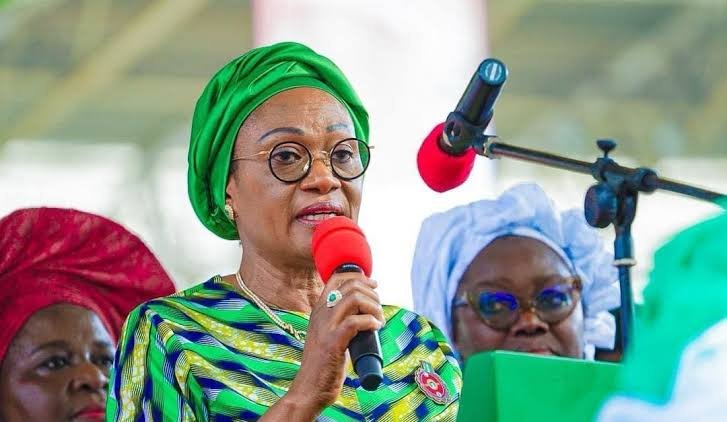
The Minister of State for Petroleum Resources (Oil), Senator Heineken Lokpobiri, has called for increased investment in Nigeria’s oil and gas industry.
He particularly urged greater investment in the midstream and downstream subsectors, warning that current refining capacity remains insufficient to meet market demand.
Nigeria Needs More Refining Capacity
Lokpobiri’s warning highlights the gap between Nigeria’s petroleum demand and available refining capacity.
Furthermore, stronger refining capacity could reduce dependence on imported petroleum products and improve domestic energy security.
More refineries can increase supply.
Local processing retains value.
Greater capacity can reduce import pressure.
Why Midstream Investment Matters
The midstream sector plays an important role in moving and processing petroleum resources.
Furthermore, stronger infrastructure across pipelines, storage facilities, gas processing, transportation, and related systems can improve the efficiency of Nigeria’s energy value chain.
Better infrastructure reduces bottlenecks.
Storage supports supply stability.
Efficient transportation strengthens distribution.
Downstream Investment Remains Critical
The downstream sector directly affects consumers and businesses.
Furthermore, investment in refining, storage, distribution, retail infrastructure, and related services can improve the availability of petroleum products.
Reliable supplies support businesses.
Efficient distribution reduces delays.
Stronger infrastructure can improve market stability.
Reducing Dependence on Imports
Nigeria has significant crude oil resources but has historically depended on imported refined petroleum products.
Furthermore, increasing domestic refining could help reverse that imbalance.
Local refining reduces import needs.
Domestic production supports jobs.
Value stays within the economy.
Supporting Energy Security
Investment in refining and related infrastructure can strengthen Nigeria’s energy security.
Furthermore, a stronger domestic petroleum industry can provide greater resilience against international supply disruptions and external market pressures.
Domestic capacity improves resilience.
Stable supplies support economic activity.
Energy security strengthens national development.
Attracting Private Investment
Expanding Nigeria’s refining capacity will require substantial capital.
Furthermore, private investors can play an important role in developing new facilities and upgrading existing infrastructure.
Investment expands capacity.
Technology improves efficiency.
Private capital can accelerate development.
Unlocking Nigeria’s Gas Potential
Midstream and downstream investment can also support Nigeria’s gas sector.
Furthermore, stronger gas processing and distribution infrastructure could help expand domestic gas use across industries and power generation.
Gas supports industrial activity.
Processing creates value.
Reliable supply supports manufacturing.
Creating Jobs and Local Opportunities
Greater investment across the oil and gas value chain could create opportunities for Nigerian businesses and workers.
Furthermore, projects require engineers, technicians, contractors, logistics providers, manufacturers, and specialised service companies.
Investment creates employment.
Local suppliers gain opportunities.
Technical skills become more valuable.
Looking Ahead
Senator Heineken Lokpobiri’s call for increased investment highlights the need to strengthen every major part of Nigeria’s petroleum value chain.
Expanding refining capacity remains particularly important as domestic demand continues to require reliable supplies of petroleum products.
However, investment must go alongside transparent regulation, efficient infrastructure, predictable policies, and strong project execution.
Ultimately, the objective is clear: Nigeria must build sufficient refining and petroleum infrastructure to meet domestic demand, reduce import dependence, retain more value locally, and create a stronger and more competitive energy industry.