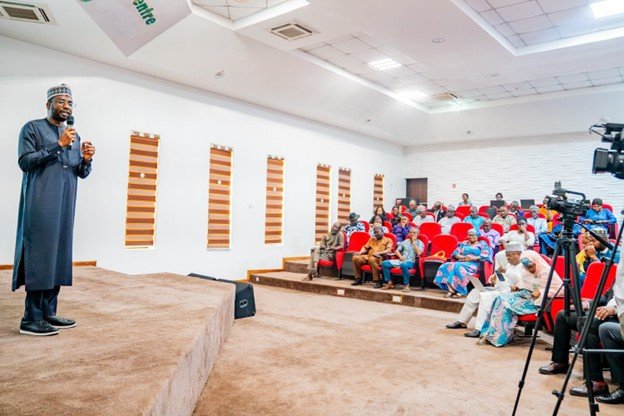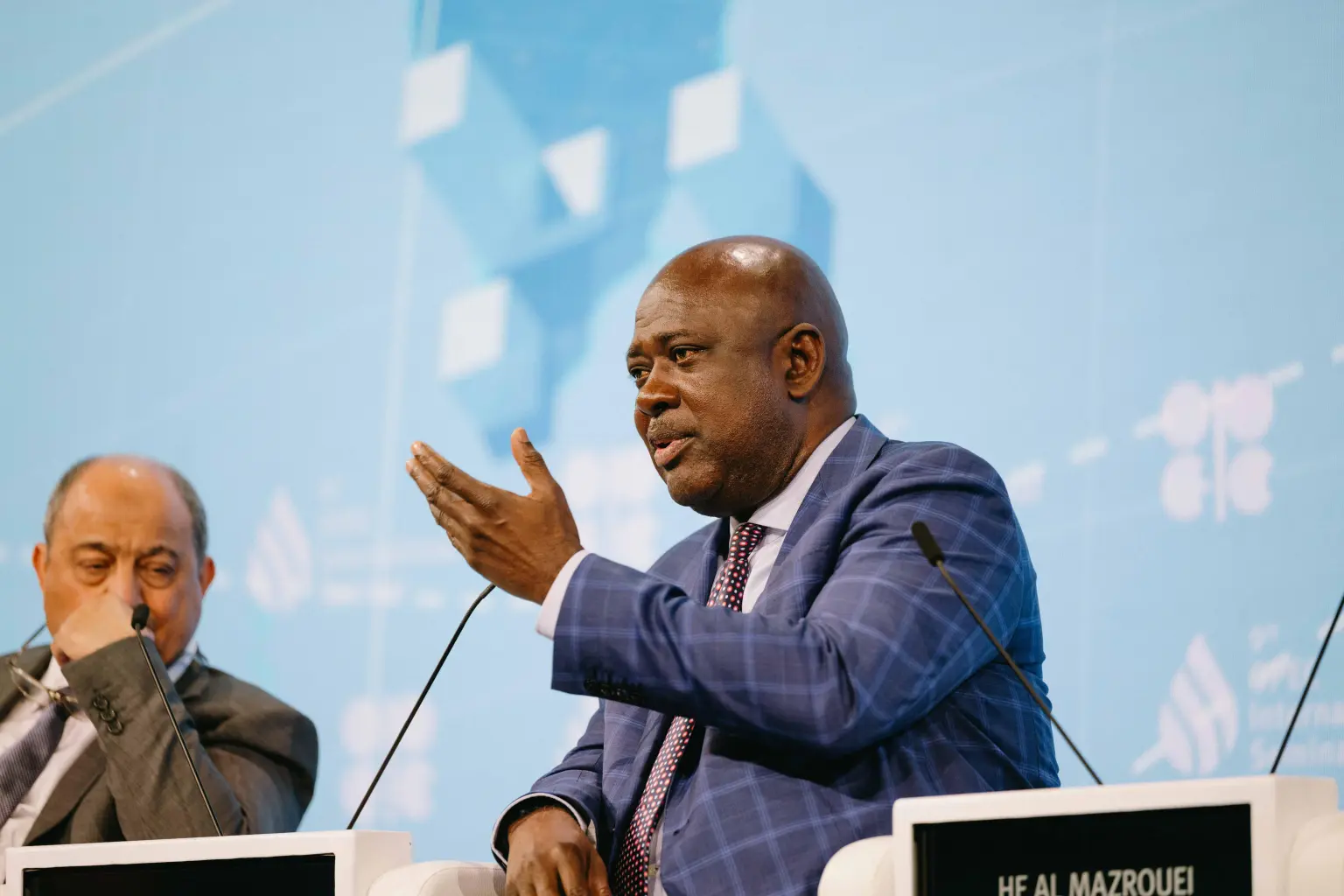
The Minister of State for Petroleum Resources (Oil), Heineken Lokpobiri, is expected to outline Nigeria’s accelerating upstream transformation and expanding role as one of Africa’s leading oil and gas investment destinations at African Energy Week 2026, scheduled to hold from October 12 to 16 in Cape Town, South Africa.
The event will bring together government officials, energy executives, investors and industry stakeholders from across the globe to discuss opportunities, challenges and emerging trends within Africa’s energy sector.
Lokpobiri is expected to use the platform to highlight Nigeria’s ongoing reforms, production growth strategies and efforts to attract greater investment into the country’s oil and gas industry.
His presentation is also expected to focus on the Federal Government’s commitment to creating a more competitive and investor-friendly operating environment.
Nigeria’s Upstream Sector Gains Momentum
Nigeria’s upstream petroleum sector has witnessed renewed attention in recent years as policymakers pursue reforms aimed at increasing production and improving operational efficiency.
The government has continued implementing measures designed to encourage exploration, support field development and enhance investor confidence.
Industry stakeholders believe these efforts are beginning to strengthen activity across the sector while positioning the country for increased output and long-term growth.
According to experts, Nigeria’s vast hydrocarbon reserves remain among the most attractive investment opportunities on the African continent.
Consequently, the country continues to attract attention from international energy companies seeking expansion opportunities.
Attracting Global Investment
One of the major objectives of Nigeria’s energy strategy is to attract greater levels of domestic and foreign investment.
The oil and gas industry requires substantial capital to support exploration, production, infrastructure development and technological innovation.
Government officials maintain that regulatory improvements and policy consistency remain essential for sustaining investor confidence.
At African Energy Week, Lokpobiri is expected to showcase progress made in strengthening the investment climate while highlighting opportunities across upstream operations.
The minister is also likely to engage with investors and industry leaders interested in participating in Nigeria’s energy sector transformation.
Strengthening Africa’s Energy Future
African Energy Week has become one of the continent’s most influential platforms for discussing energy development and investment opportunities.
The conference provides an avenue for African nations to present their energy strategies, attract investment and promote collaboration within the industry.
Nigeria’s participation underscores its continued commitment to playing a leading role in Africa’s energy landscape.
As one of the continent’s largest oil producers, the country remains a significant contributor to regional energy supply and economic activity.
Industry observers note that stronger collaboration among African energy-producing nations can help accelerate development and improve competitiveness within global markets.
Economic Impact of Energy Sector Growth
The oil and gas sector remains an important pillar of Nigeria’s economy.
Revenue generated from petroleum resources contributes significantly to government finances, foreign exchange earnings and economic development initiatives.
Therefore, policies that support production growth and investment attraction often have broader implications for national economic performance.
Officials believe that increased investment can lead to higher production levels, job creation, technology transfer and infrastructure development.
The government continues to emphasize the importance of leveraging energy resources to support economic diversification and sustainable growth.
Showcasing Reform Efforts
Lokpobiri’s presentation is expected to highlight several initiatives aimed at improving efficiency and competitiveness within the sector.
These include efforts to increase production, strengthen partnerships with investors and address operational challenges affecting industry performance.
The government has repeatedly stated its commitment to creating a business environment that encourages long-term investment and supports industry expansion.
Stakeholders believe that clear communication of policy objectives and reform progress can further strengthen confidence among investors and development partners.
Consequently, African Energy Week offers an important opportunity to communicate Nigeria’s energy ambitions to a global audience.
Looking Ahead
The participation of Heineken Lokpobiri at African Energy Week 2026 reflects Nigeria’s determination to strengthen its position as a leading oil and gas investment destination in Africa.
As the conference approaches, industry stakeholders will be watching closely for updates on production targets, investment opportunities and ongoing sector reforms.
For many observers, the event represents a strategic platform for showcasing Nigeria’s progress while attracting the partnerships and capital needed to drive future growth.
Ultimately, sustained reforms, investor confidence and industry collaboration will remain key factors in shaping the future of Nigeria’s energy sector and its contribution to economic development.