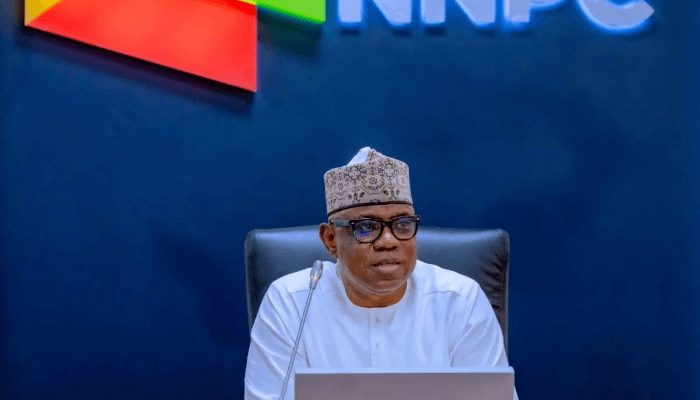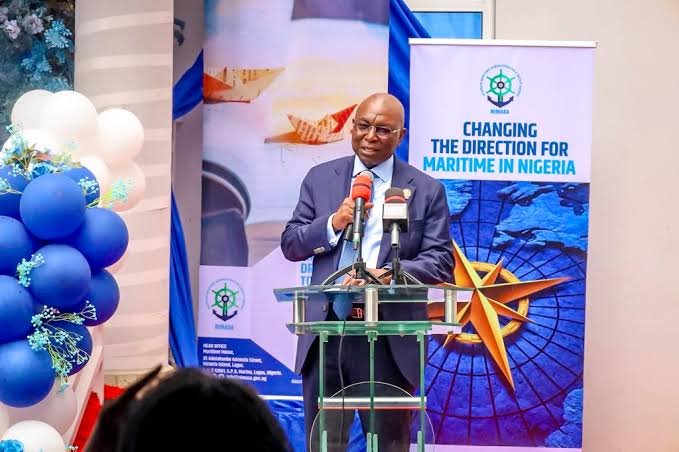
The Nigerian Navy and the Nigerian Maritime Administration and Safety Agency have reaffirmed their commitment to combating maritime crime and strengthening security cooperation within Nigeria’s territorial waters and the Gulf of Guinea.
The renewed partnership underscores the determination of both institutions to sustain ongoing efforts aimed at protecting maritime assets, securing shipping routes and promoting a safer maritime environment for economic activities.
Officials from both agencies emphasized that collaboration remains essential for addressing evolving security challenges across the maritime domain while supporting Nigeria’s position as a major maritime nation in Africa.
The partnership is expected to further strengthen intelligence sharing, operational coordination and joint security initiatives designed to safeguard the country’s maritime interests.
Strengthening Maritime Security
Maritime security remains a critical component of national security and economic development.
Nigeria’s territorial waters and the Gulf of Guinea serve as important routes for international trade, energy transportation and commercial shipping activities.
Consequently, ensuring the safety of these waterways remains vital for economic stability, investor confidence and regional trade.
The Nigerian Navy and NIMASA have continued to work closely on initiatives aimed at preventing illegal activities such as piracy, sea robbery, smuggling and other maritime crimes.
According to maritime experts, effective collaboration between security and regulatory institutions remains one of the most important factors in maintaining secure maritime corridors.
Protecting Strategic Economic Assets
Nigeria’s maritime sector contributes significantly to national economic activity through shipping, port operations, offshore energy production and international commerce.
The protection of these assets therefore remains a national priority.
Officials noted that criminal activities within maritime environments can disrupt trade, increase operational costs and undermine economic growth.
Through enhanced cooperation, both agencies aim to strengthen surveillance, improve enforcement capabilities and protect critical infrastructure located within the country’s maritime space.
Furthermore, stronger maritime security can encourage greater participation by international shipping operators and investors.
Progress in the Gulf of Guinea
The Gulf of Guinea has historically attracted international attention due to concerns about maritime insecurity.
However, coordinated efforts by regional governments, security agencies and maritime institutions have contributed to notable improvements in recent years.
The Nigerian Navy and NIMASA have played significant roles in supporting initiatives aimed at improving safety and reducing criminal activities within the region.
Officials highlighted the importance of sustaining these gains through continuous cooperation, technological investment and operational readiness.
According to stakeholders, maintaining security improvements remains essential for preserving confidence in regional shipping and trade activities.
The Importance of Inter-Agency Collaboration
Security experts frequently emphasize that maritime threats often require coordinated responses involving multiple institutions.
The partnership between the Navy and NIMASA reflects this understanding by combining operational capabilities with regulatory oversight and maritime administration expertise.
Joint operations, intelligence sharing and coordinated enforcement efforts can improve response times while strengthening overall effectiveness.
In addition, collaboration helps reduce duplication of responsibilities and encourages more efficient use of available resources.
Observers believe that stronger institutional partnerships can contribute significantly to long-term maritime stability and security.
Supporting Economic Development Through Security
A secure maritime environment creates opportunities for economic expansion, investment and sustainable growth.
Shipping companies, investors and maritime operators generally prefer environments where security risks remain low and regulatory frameworks are effective.
By strengthening cooperation, the Nigerian Navy and NIMASA aim to create conditions that support commercial activities and economic development.
Improved maritime security can facilitate trade, enhance port efficiency and encourage greater utilization of maritime resources.
The agencies therefore view security as a foundation for broader national and regional prosperity.
Looking Ahead
The renewed commitment by the Nigerian Navy and the Nigerian Maritime Administration and Safety Agency reflects the growing importance of collaboration in addressing maritime security challenges.
As both institutions continue working together, stakeholders expect further progress in protecting Nigeria’s territorial waters and strengthening security throughout the Gulf of Guinea.
For many observers, the partnership demonstrates a shared commitment to safeguarding maritime trade, protecting critical assets and supporting economic development through enhanced security measures.
Ultimately, sustained cooperation between key maritime institutions remains essential for building a safer, more secure and more prosperous maritime sector for Nigeria and the wider African region.