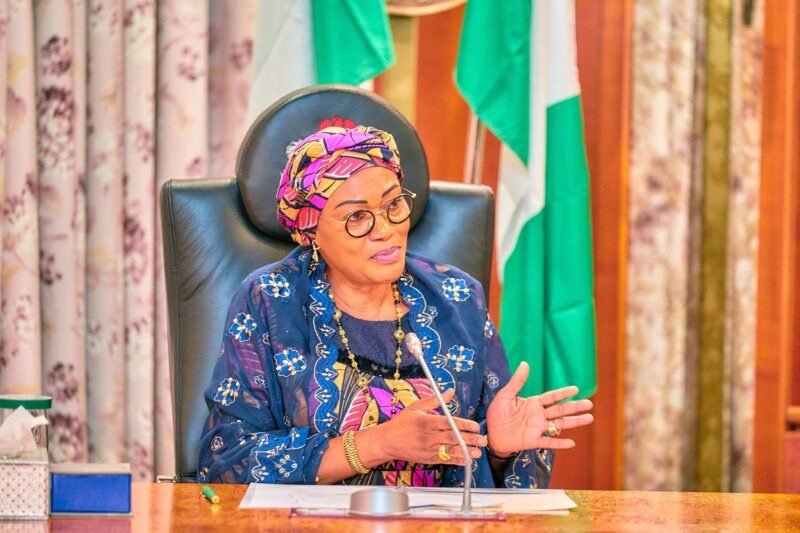
Former President of the Senate, Senator Adolphus Wabara, former Nigerian High Commissioner to South Africa, Ambassador Okey Emuchay, and the Coalition of South East Youth Leaders (COSEYL) have commended Nigeria’s First Lady, Senator Oluremi Tinubu, for her recent visit to Akwete in Ukwa East Local Government Area of Abia State and her approval of a N2 billion intervention aimed at reviving the community’s renowned indigenous textile industry.
The leaders described the intervention as a bold investment in cultural preservation, economic empowerment, youth employment, and sustainable industrial development, noting that the Akwete textile industry represents one of Nigeria’s oldest and most respected handwoven fabric traditions.
Furthermore, they said the intervention demonstrates growing national recognition of indigenous industries that have the potential to create employment, preserve cultural identity, strengthen local manufacturing, and contribute significantly to Nigeria’s creative economy.
According to them, the First Lady’s support goes beyond financial assistance because it restores hope for artisans, weavers, entrepreneurs, and young people seeking opportunities within the traditional textile sector.
A Historic Industry Receives New Hope
The Akwete weaving tradition has remained one of Nigeria’s most treasured cultural industries for generations.
Furthermore, the handwoven fabric produced in Akwete has earned recognition for its craftsmanship, durability, artistic designs, and cultural significance within Nigeria and beyond.
The industry reflects generations of skill.
Despite its rich heritage, however, the sector has faced numerous challenges over the years, including declining investment, limited access to modern equipment, reduced production capacity, and increasing competition from imported textiles.
Many stakeholders therefore welcomed the First Lady’s intervention as an important opportunity to restore the industry’s competitiveness.
Leaders Applaud the First Lady’s Commitment
Senator Adolphus Wabara described the intervention as timely and visionary.
Furthermore, he noted that investing in indigenous industries strengthens local economies while preserving important aspects of Nigeria’s cultural heritage.
Cultural industries create economic value.
According to him, supporting traditional production sectors encourages inclusive development by creating opportunities for communities that possess unique cultural and economic assets.
He expressed optimism that the initiative would inspire similar investments across other indigenous industries nationwide.
Ambassador Emuchay Highlights Economic Potential
Former Nigerian High Commissioner to South Africa, Ambassador Okey Emuchay, also praised the initiative.
Furthermore, he emphasised that the Akwete textile industry possesses significant potential to contribute to Nigeria’s economic diversification through increased production, exports, tourism, and cultural promotion.
Local industries strengthen national growth.
He explained that revitalising indigenous manufacturing supports broader efforts to reduce dependence on imported products while promoting Nigerian creativity and craftsmanship.
According to him, sustained investment can transform traditional industries into globally competitive enterprises.
COSEYL Welcomes Youth Opportunities
The Coalition of South East Youth Leaders welcomed the intervention as an important investment in youth empowerment.
Furthermore, the organisation stated that expanding the Akwete textile industry would create employment opportunities for young artisans, entrepreneurs, designers, marketers, and small business owners.
Youth empowerment drives development.
The coalition encouraged young people to embrace opportunities within the creative and manufacturing sectors while preserving traditional skills for future generations.
Preserving Cultural Heritage
It also urged continued collaboration between government institutions and local communities.
Traditional industries serve purposes beyond commercial production.
Furthermore, they preserve history, identity, customs, artistic expression, and cultural knowledge passed from one generation to another.
Heritage strengthens national identity.
The leaders noted that supporting Akwete weaving protects an important aspect of Nigeria’s cultural heritage while ensuring that valuable indigenous knowledge remains relevant within modern economic systems.
Preservation therefore contributes both culturally and economically.
Economic Benefits Extend Beyond Akwete
Stakeholders observed that revitalising the textile industry would produce benefits extending far beyond Ukwa East Local Government Area.
Furthermore, increased production may stimulate cotton supply chains, fashion design, textile marketing, tourism, transportation, hospitality, and other supporting industries.
Industrial growth creates multiplier effects.
Expanding local production also encourages increased demand for raw materials, skilled labour, logistics services, and commercial activities throughout the wider region.
Such economic interactions strengthen community development.
Supporting Women Entrepreneurs
The Akwete textile industry has historically provided opportunities for women artisans and entrepreneurs.
Furthermore, strengthening the industry supports women’s economic participation by expanding income-generating opportunities within local communities.
Women strengthen local economies.
The leaders praised Senator Oluremi Tinubu’s continued commitment to initiatives that promote women’s empowerment, entrepreneurship, financial inclusion, and sustainable livelihoods.
According to them, empowering women produces lasting social and economic benefits.
Boosting Nigeria’s Creative Economy
Nigeria’s creative economy continues receiving increasing attention as a major contributor to national development.
Furthermore, sectors including fashion, textiles, crafts, entertainment, digital content, design, and cultural tourism possess enormous potential for job creation and export growth.
Creativity fuels economic diversification.
The leaders argued that revitalising Akwete weaving aligns with broader national efforts to strengthen creative industries capable of competing successfully within international markets.
Calls for Sustained Support
While welcoming the N2 billion intervention, stakeholders encouraged continued investment beyond the initial funding.
Furthermore, they recommended improved access to modern equipment, training programmes, financing opportunities, market expansion initiatives, branding support, and export promotion.
Sustained investment ensures lasting success.
They also emphasised the importance of partnerships involving government agencies, financial institutions, private investors, educational institutions, and development organisations.
Looking Ahead
The commendation from Senator Adolphus Wabara, Ambassador Okey Emuchay, and the Coalition of South East Youth Leaders reflects growing optimism surrounding the future of the Akwete textile industry following Senator Oluremi Tinubu’s visit and the approval of the N2 billion intervention.
Furthermore, the leaders expressed confidence that the initiative will revitalise one of Nigeria’s most respected indigenous industries while creating employment, supporting women entrepreneurs, preserving cultural heritage, strengthening local manufacturing, and expanding economic opportunities throughout Abia State.
As implementation begins, many stakeholders believe the investment represents more than financial support. Instead, they see it as a strategic commitment to preserving Nigeria’s rich cultural identity while transforming traditional industries into modern economic assets capable of driving sustainable growth, empowering communities, attracting investment, and positioning indigenous Nigerian craftsmanship for greater recognition within regional and global markets.