In Nigerian politics, some contributions are made from the podium, while others happen quietly, through conversations, relationships and the painstaking work of bringing people together. For Seyi Tinubu, Patron of the City Boy Movement, the emerging story is increasingly one of building bridges, expanding conversations and helping to connect his father’s political project with a new generation of Nigerians.
That role has become more visible as the City Boy Movement expands its grassroots structure and engages young people, community leaders, professional groups and other constituencies. At its national retreat in July, Seyi Tinubu described the organisation as having evolved beyond its original campaign platform into a nationwide movement focused on national development and citizen engagement.
From Campaign Platform to Wider Political Network
The evolution of the City Boy Movement represents an important development in the organisation’s political structure.
According to the movement, its activities now focus on youth empowerment, civic engagement, community development and support for the Renewed Hope Agenda. Its stated structure extends across states, local government areas and wards, giving it an organisational framework beyond occasional campaign events.
Moreover, Seyi Tinubu’s position as patron places him at the centre of a network that seeks to connect political messaging with grassroots participation.
The significance of that role goes beyond public appearances. Political organisations require people who can maintain relationships, listen to different constituencies and create channels through which ideas and concerns can move between leadership and supporters.
Youth Engagement Becomes a Central Theme
Young Nigerians remain one of the major constituencies around which the movement has built its identity.
The City Boy Movement describes itself as a youth driven platform, while government officials have also highlighted the organisation’s efforts to encourage broader youth participation in governance.
In June, Vice President Kashim Shettima specifically commended Seyi Tinubu for sustaining engagement with young Nigerians and building support structures across communities. He also praised the wider movement for encouraging citizens to participate in governance.
Consequently, youth engagement has become more than a campaign slogan. It now forms part of the movement’s organisational language, particularly as political groups prepare for another national election cycle.
Building Bridges Beyond Traditional Political Structures
Meanwhile, the political environment in Nigeria continues to involve relationships that do not always fit neatly within conventional party structures.
The City Boy Movement has sought to bring together young people, professionals, community stakeholders and support groups around its stated objectives. Its official platform invites professional, religious, humanitarian and political organisations to connect with the movement.
That approach creates another layer of political engagement.
Rather than relying exclusively on established party structures, such networks can create additional channels for communication and mobilisation. However, participation in a movement does not automatically translate into votes, and electoral outcomes ultimately depend on individual voters and the formal electoral process.
The Quiet Importance of Relationships
Beyond the rallies and public declarations, relationship building can play a significant role in political organisation.
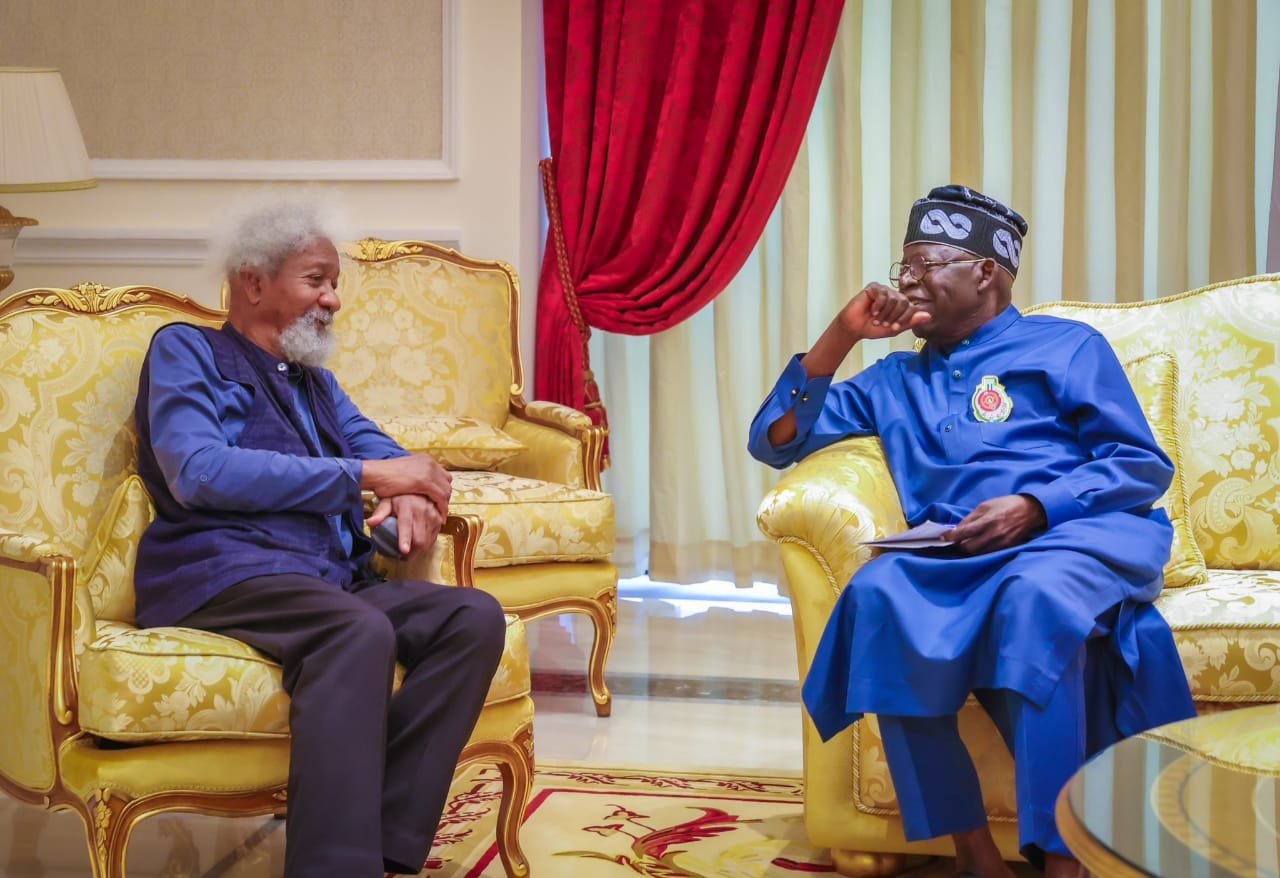
Meetings with community leaders, youth groups, professionals and political actors can create opportunities for conversations that may not happen through formal party channels.
That is particularly relevant in a politically diverse country where communities have different priorities and political histories.
For Seyi Tinubu, his visibility as the President’s son naturally places attention on his activities. However, his work with the City Boy Movement has also placed him within a network focused on youth engagement and grassroots organisation.
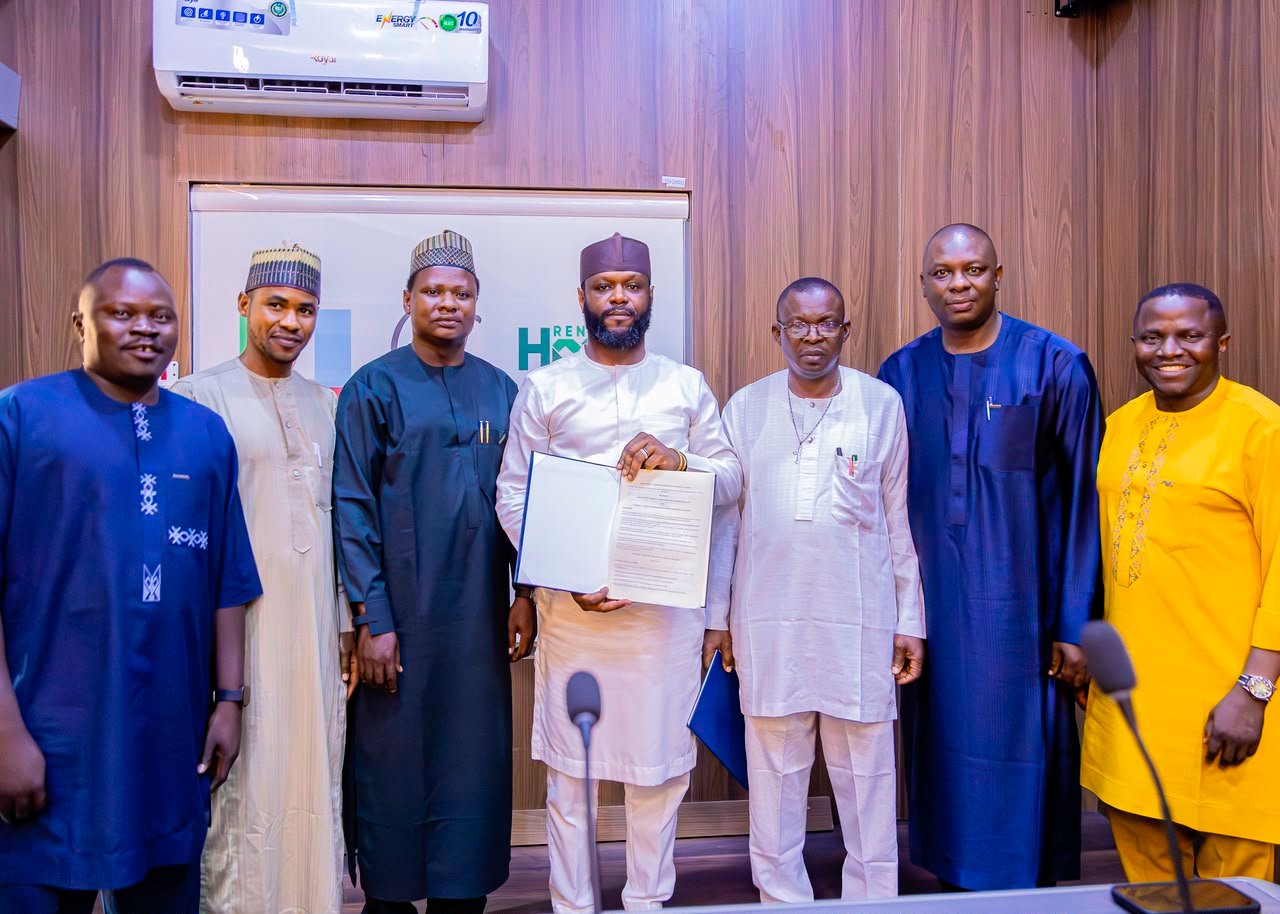
The meeting with Pelumi Olajengbesi on Saturday, September 26, provides another recent example of this engagement. Following the meeting, Olajengbesi publicly discussed his objective of mobilising more than one million votes for President Bola Tinubu in Osun State in the 2027 presidential election. That figure represents Olajengbesi’s stated political target, not an established electoral outcome.
Grassroots Politics Is About More Than Social Media
Digital communication has transformed political engagement, but effective grassroots organisation still requires physical structures and sustained community interaction.
The City Boy Movement has repeatedly emphasised grassroots mobilisation. During its July national retreat, members were encouraged to return to their communities as communicators, educators and mobilisers. The movement also announced a target of mobilising 10 million young Nigerians.
Therefore, the larger question is how effectively the organisation can turn its growing network into sustained civic participation.
That process involves membership, community meetings, policy communication, voter education and continued engagement. It also requires political organisations to respond to the concerns that citizens raise rather than simply communicating messages in one direction.
A New Generation in the Political Conversation
The broader political significance of the movement lies in its attempt to bring younger Nigerians closer to political conversations.
For many young people, political participation increasingly extends beyond voting. It can include advocacy, community projects, digital engagement, policy discussions, volunteering and participation in organised movements.
The City Boy Movement has positioned itself within that wider space, describing its mission in terms of youth empowerment, civic education and grassroots engagement.
At the same time, political participation carries responsibilities. Sustainable engagement requires peaceful mobilisation, respect for democratic institutions and space for citizens who hold different political views.
From Personal Connections to Organisational Capacity
Ultimately, the effectiveness of any political movement depends on whether personal relationships can develop into durable organisational structures.
For Seyi Tinubu, that means translating meetings and conversations into wider networks that can operate at community level.
The City Boy Movement has already established a national structure and publicly stated its intention to deepen its presence across communities.
Consequently, the period leading to 2027 will provide an opportunity to observe how those structures develop, how citizens respond to the movement’s message and how youth participation evolves.
The Road Ahead
The political road to 2027 will involve competing parties, movements, candidates and networks seeking to communicate with voters.
Within that environment, Seyi Tinubu’s role through the City Boy Movement represents one approach centred on youth engagement, relationship building and grassroots organisation.
The meetings may attract headlines, but the quieter work between those meetings could prove just as important to the organisation’s development. Conversations create relationships, relationships create networks, and networks can create structures capable of sustained engagement.
For now, the City Boy Movement continues to expand its stated focus on youth participation and grassroots mobilisation, while Seyi Tinubu remains one of its most visible figures. The larger story, therefore, is not simply about individual political appearances. It is about how a movement attempts to connect leadership, young Nigerians and communities through an expanding network of political and civic engagement.