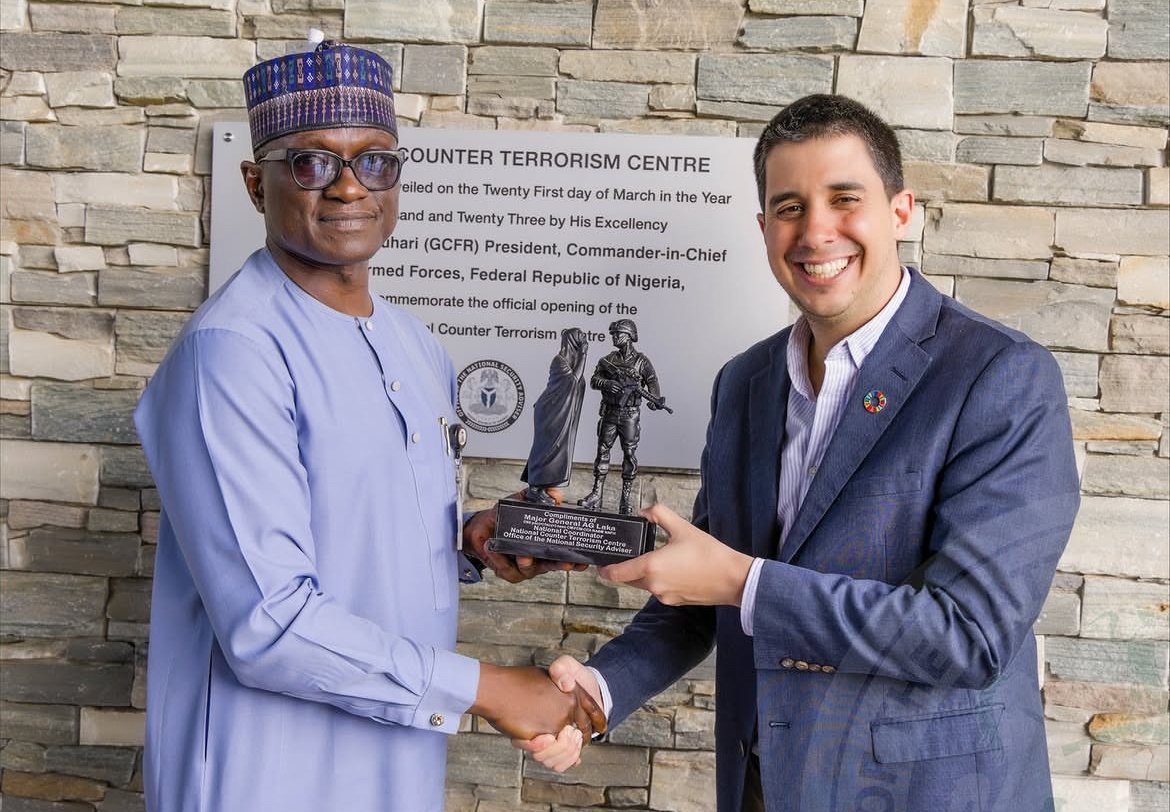
The National Counter Terrorism Centre (NCTC) recently hosted Felipe Paullier, the United Nations Assistant Secretary-General for Youth Affairs, in a strategic engagement focused on youth development and national capacity building.
The visit created a valuable platform for mutual learning and collaboration. Both parties exchanged insights, explored shared priorities, and identified opportunities for impactful partnerships.
A Platform for Knowledge Exchange
The engagement emphasized the importance of learning from practical experience. The National Counter Terrorism Centre (NCTC) shared its work, highlighting initiatives that engage young people in promoting peace, resilience, and national security awareness.
At the same time, Felipe Paullier brought global perspectives from the United Nations. His insights reflected international best practices in youth empowerment, inclusion, and development.
Bridging Local Experience with Global Expertise
A key focus of the visit involved aligning national efforts with global standards. By drawing from the NCTC’s experience and combining it with the United Nations’ expertise, both sides aim to create more effective youth-focused programs.
This approach ensures that strategies remain relevant locally while benefiting from proven global frameworks. It also strengthens the ability to address emerging challenges facing young people.
Advancing Youth Development Goals
Youth development remains a critical priority for national progress. Programs that empower young people contribute to stability, innovation, and long-term growth.
Through this collaboration, there is potential to expand opportunities in:
- Skills development
- Civic engagement
- Peacebuilding initiatives
- Leadership training
These areas play a vital role in shaping a productive and engaged youth population.
Strengthening Partnerships for Impact
The visit highlights the importance of partnerships in achieving sustainable outcomes. Collaboration between national institutions and global organisations creates a stronger foundation for success.
By working together, the National Counter Terrorism Centre (NCTC) and the United Nations can design programs that deliver measurable impact at scale.
Looking Ahead
The engagement marks a positive step toward deeper cooperation. It reflects a shared commitment to empowering young people and building resilient communities.
As collaboration continues, the insights gained from this visit are expected to shape future initiatives. With combined expertise and coordinated efforts, both institutions can drive meaningful progress in youth development at the national level.