
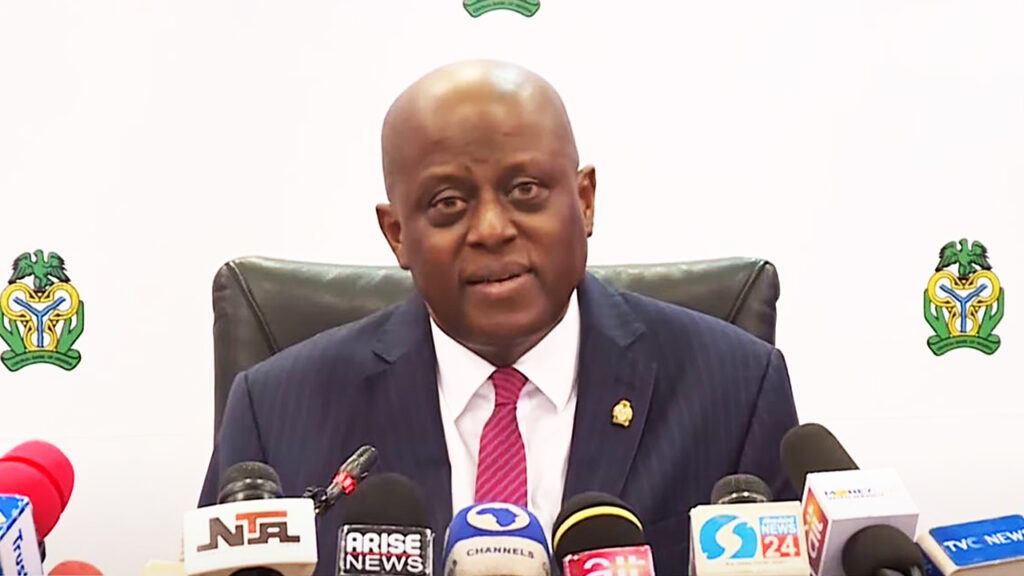
Nigeria has seen a remarkable surge in foreign capital inflows in 2025, receiving $20.98 billion in the first ten months of the year. According to Yemi Cardoso, the Governor of the Central Bank of Nigeria (CBN), this influx highlights a renewed confidence in Nigeria’s economy.
Boosting Economic Prospects with Capital Inflows
The reported capital inflows demonstrate strong interest from both foreign investors and financial institutions. This significant amount reflects a growing optimism about Nigeria’s economic policies and outlook. Experts believe that such investments can play a pivotal role in stimulating growth and development across various sectors.
Yemi Cardoso emphasized that these inflows contribute to the stability of the Nigerian economy. They help improve the balance of payments and create job opportunities for citizens. The funds can be channelled into critical areas like infrastructure, agriculture, and technology, supporting the nation’s development goals.
In addition to bolstering economic stability, these capital inflows are crucial for enhancing foreign reserves. Higher foreign reserves can help stabilize the currency and reassure investors. With a more robust currency, Nigeria can better engage in international trade and attract further investments.
Factors Driving Increased Investment
Several factors have contributed to the increase in foreign capital inflows into Nigeria. Economic reforms aimed at improving the investment climate have gained traction, making it easier for foreign investors to operate in the country. The government has focused on creating a conducive business environment by simplifying regulatory processes and improving transparency.
Moreover, the nation’s efforts to diversify its economy away from oil dependence have also attracted interest. Initiatives to promote sectors such as agriculture, manufacturing, and information technology have shown promise. Investors see these sectors as potential drivers of sustainable growth in the long term.
Additionally, Cardoso pointed out that improving security and infrastructure is vital for maintaining this momentum. As the government continues to address these challenges, investor confidence is likely to grow. This growth in investments not only boosts the economy but also helps in enhancing the quality of life for Nigerians.
Conclusion: Nigeria Records $20.9 Billion Capital Inflows
In conclusion, Nigeria’s achievement of $20.98 billion in capital inflows underscores a positive shift in the economic landscape. Under Yemi Cardoso’s leadership at the CBN, these investments signify renewed confidence in Nigeria’s future.
As the government continues to implement reforms and investments flow into the economy, the outlook remains optimistic. Sustained capital inflows will be crucial for driving growth, creating jobs, and enhancing overall economic resilience.
FAQ Section
How much capital inflow did Nigeria receive in 2025?
Nigeria received $20.98 billion in capital inflows in the first ten months of 2025.
Who is the Governor of the Central Bank of Nigeria?
Yemi Cardoso is the current Governor of the Central Bank of Nigeria (CBN).
What factors drove the increase in capital inflows?
Improved regulatory frameworks, a focus on economic diversification, and enhanced transparency have contributed to the surge in foreign investments.
Why are capital inflows important for Nigeria?
Capital inflows strengthen the economy by improving foreign reserves, stabilizing the currency, and creating job opportunities in various sectors.