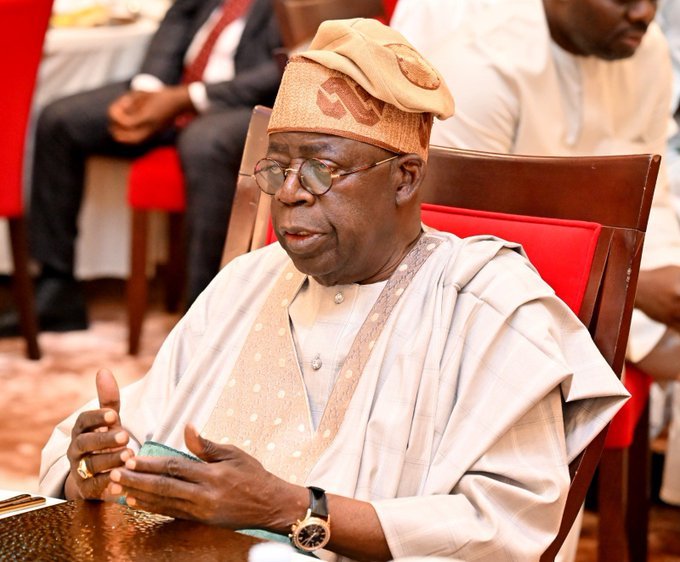
The Honourable Minister of Defence, Christopher Gwabin Musa, has said Nigeria’s national narrative is gradually changing under the leadership of President Bola Ahmed Tinubu, stressing that the administration remains fully committed to securing the country and advancing national development.
According to the Defence Minister, the government continues to intensify efforts aimed at improving security, restoring stability and creating an environment where economic growth and social progress can thrive.
He explained that the administration’s approach combines security operations with broader development initiatives designed to strengthen institutions, improve infrastructure and promote long-term national stability.
The minister noted that sustained leadership, strategic coordination and institutional reforms are helping to reposition the country and improve confidence across various sectors.
Security Remains Central to National Progress
Security continues to play a vital role in national development. Countries experiencing stability often attract greater investment, stronger economic activity and broader social progress.
Recognising this reality, the Federal Government has continued to prioritize efforts aimed at protecting lives, securing communities and strengthening national security institutions.
General Musa stated that the administration remains focused on improving collaboration among the armed forces, intelligence agencies and other security institutions to address emerging threats more effectively.
Furthermore, the government continues to invest in operational capacity, intelligence gathering and security infrastructure to strengthen response mechanisms across the country.
According to him, these efforts are gradually yielding positive outcomes in several areas.
Leadership and National Stability
The Defence Minister also emphasized the importance of leadership in addressing complex national challenges.
Strong leadership often provides direction during periods of uncertainty while helping institutions remain focused on long-term objectives.
He described President Tinubu’s leadership as purposeful and determined, particularly in areas relating to national security, economic reforms and institutional strengthening.
The administration, he said, continues to pursue policies aimed at improving governance, strengthening public confidence and creating opportunities for citizens across different sectors.
Leadership that combines security priorities with economic and social development, analysts note, often contributes to stronger national resilience and long-term stability.
Strengthening National Institutions
Beyond military operations, the government continues to emphasize the importance of building stronger institutions capable of supporting sustainable progress.
Institutions remain essential for maintaining law and order, promoting accountability and ensuring effective public service delivery.
General Musa highlighted ongoing efforts to improve coordination within government structures while enhancing the efficiency of agencies responsible for national security and development.
Such reforms, he noted, help create a stronger foundation for economic growth and democratic stability.
In addition, institutional strengthening supports investor confidence and encourages greater participation in national development initiatives.
Development and Security Must Work Together
The minister stressed that security and development remain closely connected.
Communities experiencing insecurity often struggle with reduced economic activity, limited educational opportunities and weakened social services. Consequently, improving security creates conditions that support investment, infrastructure growth and economic productivity.
The administration’s broader development agenda therefore complements ongoing security efforts.
Projects involving transportation infrastructure, energy expansion, agriculture, digital innovation and industrial growth all contribute to improving living standards and reducing socio-economic pressures.
According to the Defence Minister, combining security operations with development initiatives creates a more balanced and sustainable approach to national progress.
Building Public Confidence
Public confidence remains an important factor in national stability and governance.
Citizens are more likely to support reforms and development initiatives when they see evidence of progress in areas affecting their daily lives.
General Musa stated that the administration understands the importance of maintaining public trust through visible action, consistent engagement and measurable improvements.
He therefore encouraged Nigerians to remain united and supportive of ongoing efforts aimed at strengthening the country and building a more secure future.
National unity, cooperation and collective responsibility, he added, remain essential for overcoming challenges and sustaining progress.
Nigeria’s Changing Narrative
For many years, conversations about Nigeria have often focused heavily on insecurity, economic pressures and governance challenges.
However, the Defence Minister believes the country is gradually entering a new phase defined by stronger institutional focus, reform-driven governance and renewed efforts toward national development.
He expressed optimism that continued commitment to security improvements and economic transformation would further reshape perceptions about Nigeria both domestically and internationally.
A changing national narrative, he argued, requires consistent action, long-term planning and cooperation among government institutions, private-sector stakeholders and citizens.
Looking Ahead
The remarks by Christopher Gwabin Musa reflect growing confidence within the administration regarding ongoing efforts to strengthen security and reposition the country for sustainable development.
As President Bola Ahmed Tinubu continues implementing reforms and national development initiatives, the government maintains that progress in security and governance will gradually create stronger opportunities for economic growth and social stability.
While challenges remain, the administration believes that sustained leadership, institutional coordination and national unity will remain essential for building a safer, stronger and more prosperous Nigeria.