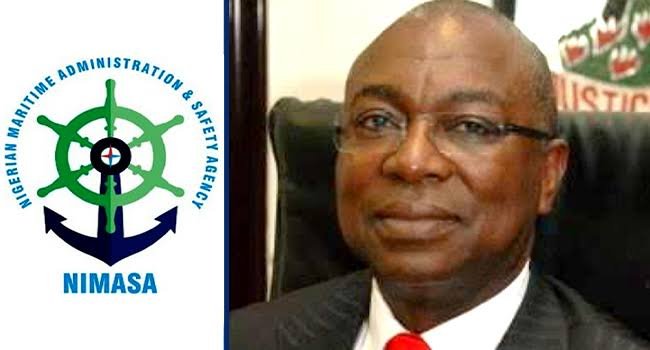
The Director-General of the Nigerian Maritime Administration and Safety Agency (NIMASA), Dayo Mobereola, has announced that the agency has received more than 60 applications for the Cabotage Vessels Financing Fund (CVFF) since the application portal opened in January.
This development signals growing interest among industry stakeholders and reflects renewed confidence in Nigeria’s maritime financing framework.
A Boost for Indigenous Shipping Capacity
The Cabotage Vessels Financing Fund was established to support indigenous shipping operators.
Its primary objective is to provide financial assistance for vessel acquisition and capacity expansion.
With over 60 applications already submitted, the initiative appears to be gaining traction.
As a result, more local operators may soon have the resources needed to compete effectively within Nigeria’s maritime space.
Encouraging Industry Participation
According to Dayo Mobereola, the level of participation demonstrates strong industry readiness.
Stakeholders are increasingly willing to invest in fleet expansion and operational growth.
In addition, the transparent structure of the application process has encouraged broader participation.
Therefore, the fund is beginning to fulfill its intended purpose of empowering local operators.
Strengthening the Maritime Economy
The impact of the CVFF extends beyond individual companies.
A stronger indigenous fleet contributes to national economic development.
It enhances local content, reduces dependence on foreign vessels, and retains more revenue within the country.
Furthermore, increased maritime activity creates employment opportunities across the value chain.
Consequently, the initiative supports both economic growth and sectoral development.
Commitment to Transparency and Accountability
The Nigerian Maritime Administration and Safety Agency has emphasized that the disbursement process will remain transparent and strictly monitored.
This commitment is crucial for maintaining trust among stakeholders.
Clear guidelines and accountability mechanisms will ensure that funds reach qualified applicants.
Moreover, transparency helps prevent misuse and strengthens the credibility of the programme.
Looking Ahead
As the review process continues, attention will shift to disbursement and implementation.
The success of the initiative will depend on how effectively funds are allocated and utilized.
Dayo Mobereola reaffirmed the agency’s commitment to supporting indigenous operators and strengthening the maritime sector.
Ultimately, the strong response to the CVFF highlights a renewed drive toward building a competitive and sustainable maritime industry in Nigeria.