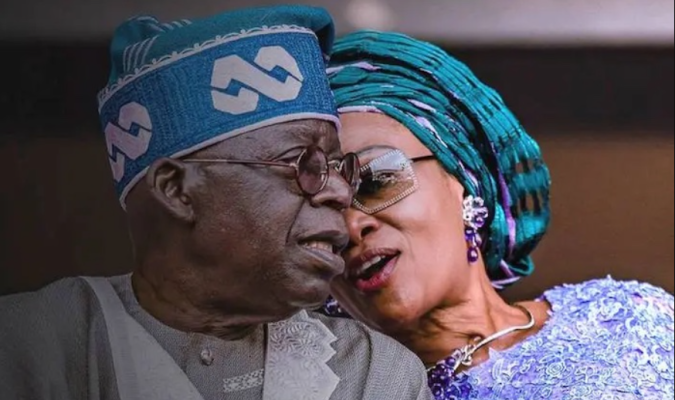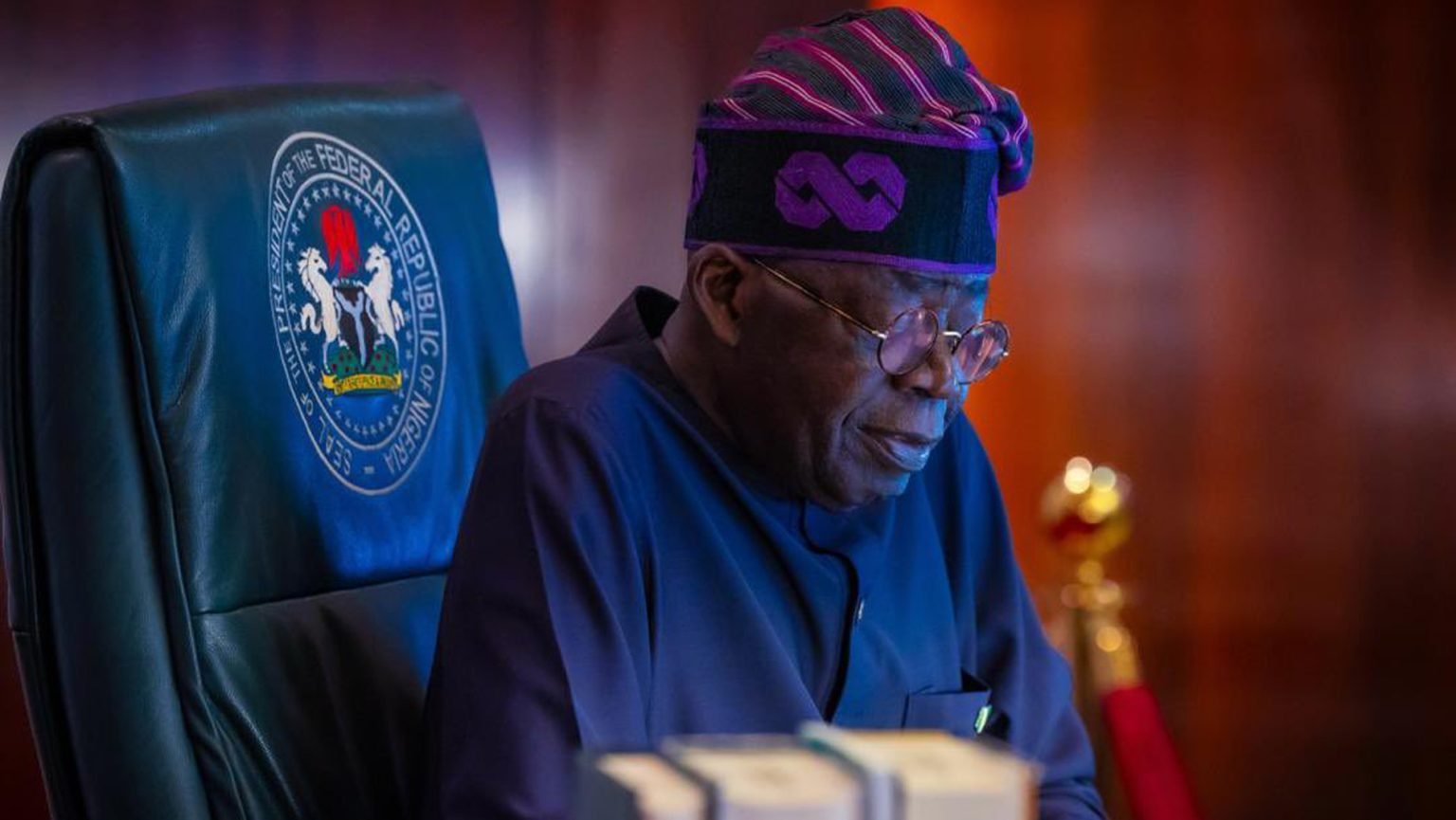
Traditional rulers from Osun West Senatorial District have endorsed President Bola Ahmed Tinubu for a second term ahead of the 2027 general elections. The endorsement, led by the Oluwo of Iwo, Abdulrosheed Akanbi, represents a notable moment in Nigeria’s evolving political landscape.
This development goes beyond a routine political declaration. It reflects a convergence of cultural authority and political positioning. Therefore, it deserves closer examination within the broader context of governance, influence, and electoral strategy in Nigeria.
The Enduring Influence of Traditional Institutions
Traditional rulers remain deeply rooted in Nigerian society.
They command respect. They also serve as custodians of heritage and community values. Therefore, their voices carry weight, especially at the grassroots level.
In many communities, traditional institutions bridge the gap between government and the people. Consequently, their endorsement often signals more than personal preference. It reflects perceived alignment between leadership and local interests.
The role played by Abdulrosheed Akanbi in leading this endorsement reinforces that influence. As a prominent traditional figure, his position shapes opinion across Osun State and beyond.
Early Political Signals Ahead of 2027
Elections are not won only during campaigns.
They are shaped long before ballots are cast. Therefore, early endorsements help define narratives and build momentum.
The backing of Bola Ahmed Tinubu by rulers in Osun West Senatorial District signals growing alignment within key constituencies. It also reflects confidence in the current administration’s direction, at least among traditional stakeholders.
However, such endorsements also serve strategic purposes. They create visibility. They influence perception. They encourage further political consolidation.
Balancing Symbolism with Electoral Reality
Symbolism matters in politics.
Yet, it does not replace voter sentiment. While traditional rulers hold influence, electoral outcomes depend on a broader base.
Citizens consider multiple factors. These include economic performance, security, and governance outcomes. Therefore, endorsements must align with lived realities to translate into votes.
This distinction remains important. It ensures that political momentum remains grounded in public engagement rather than symbolic gestures alone.
The Intersection of Culture and Democracy
Nigeria’s political system reflects a unique blend.
Modern democratic structures coexist with traditional authority. Therefore, endorsements like this illustrate how both systems interact.
Traditional rulers do not vote as institutions. However, they influence communities. They also shape conversations that affect political behavior.
This dynamic creates both opportunity and responsibility. Leaders must respect traditional institutions. At the same time, they must engage directly with citizens.
Implications for Osun and Beyond
The endorsement carries regional significance.
Osun State remains politically relevant within the South West. Therefore, developments in the state often influence broader regional trends.
Support from Osun West could encourage similar alignments in other districts. It may also strengthen existing political structures.
However, the true impact will depend on consistency. Engagement must continue. Performance must also meet expectations.
A Call for Sustained Engagement
Endorsements mark a beginning, not a conclusion.
Political actors must build on such moments through meaningful interaction with the electorate. They must also address concerns that matter most to citizens.
Therefore, governance must remain responsive. Communication must remain clear. Results must remain visible.
Conclusion: Beyond Endorsement to Performance
The endorsement of Bola Ahmed Tinubu by traditional rulers led by Abdulrosheed Akanbi highlights the enduring role of cultural institutions in Nigeria’s political process.
It signals alignment. It also reflects early positioning ahead of the 2027 elections.
However, the ultimate test lies ahead.
Sustained performance, inclusive governance, and continuous engagement will determine whether symbolic support evolves into electoral success across Nigeria.
In the end, endorsements may open doors, but outcomes depend on delivery.