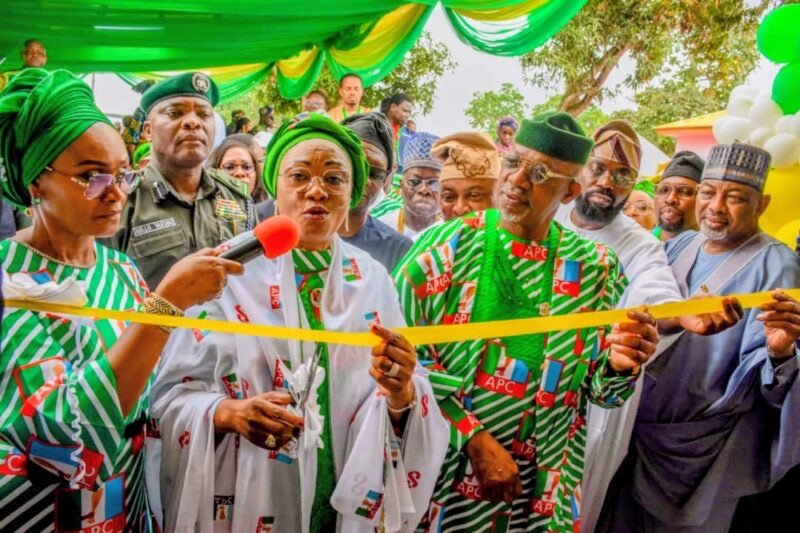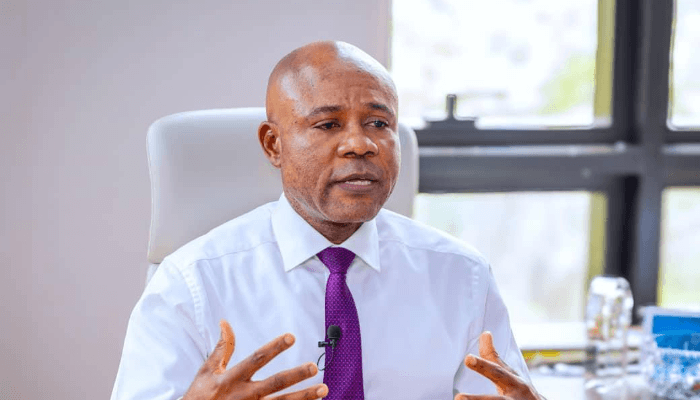
The statement that “the above epitomizes the administration” of Peter Ndubuisi Mbah, Governor of Enugu State, captures a growing narrative around his leadership style—one defined by execution, structure, and measurable outcomes.
In a political environment where promises often dominate headlines, this administration increasingly distinguishes itself through delivery. Therefore, the emphasis has shifted from rhetoric to results, from intention to implementation.
A Governance Style Anchored on Results
Results define credibility.
The administration of Peter Ndubuisi Mbah reflects a deliberate focus on outcomes across key sectors. Projects are not only announced; they are pursued with urgency. Consequently, governance becomes tangible.
This approach aligns with a broader vision for development in Nigeria, where efficiency and accountability remain critical expectations from leadership.
Human Capital as a Strategic Priority
Sustainable development begins with people.
Investment in human capital remains central to this administration. Education, skills development, and workforce readiness receive increasing attention. Therefore, policies aim to empower individuals rather than merely provide temporary relief.
This strategy creates long-term value. It also positions citizens as active contributors to economic growth.
Infrastructure as a Driver of Progress
Infrastructure enables transformation.
From roads to public facilities, the administration continues to prioritise projects that enhance productivity and connectivity. Therefore, development moves beyond planning into execution.
Such investments also attract private sector participation. Consequently, economic activity expands across Enugu State.
Policy Alignment with Execution
Vision without execution limits impact.
However, execution without structure creates inefficiency. Therefore, the strength of this administration lies in aligning both.
By connecting policy goals with actionable plans, Peter Ndubuisi Mbah ensures that initiatives translate into visible outcomes. This alignment strengthens governance credibility.
A Culture of Accountability and Speed
Speed matters in governance.
Delays often erode public confidence. Therefore, timely delivery becomes essential. The administration has demonstrated a commitment to reducing bureaucratic bottlenecks.
At the same time, accountability ensures that resources are used effectively. Consequently, performance becomes measurable and transparent.
Implications for Subnational Governance
States play a critical role in national development.
Therefore, effective leadership at the state level contributes to broader progress in Nigeria. The model emerging in Enugu State offers lessons in prioritisation, coordination, and execution.
Other states can draw insights from this approach. They can also adapt strategies to local realities.
Sustaining Momentum for Long-Term Impact
Progress must remain consistent.
Initial achievements create expectations. Therefore, sustaining momentum becomes essential. Continuous evaluation and adaptation will ensure that development remains on track.
Moreover, citizen engagement must deepen. Feedback strengthens policy effectiveness and builds trust.
Conclusion: From Vision to Measurable Progress
The administration of Peter Ndubuisi Mbah reflects a broader shift in governance thinking.
It prioritises delivery. It values structure. It emphasises impact.
Thus, the statement that it “epitomizes” effective governance finds meaning in execution. In Enugu State, leadership increasingly translates into visible progress, offering a compelling model for development across Nigeria.