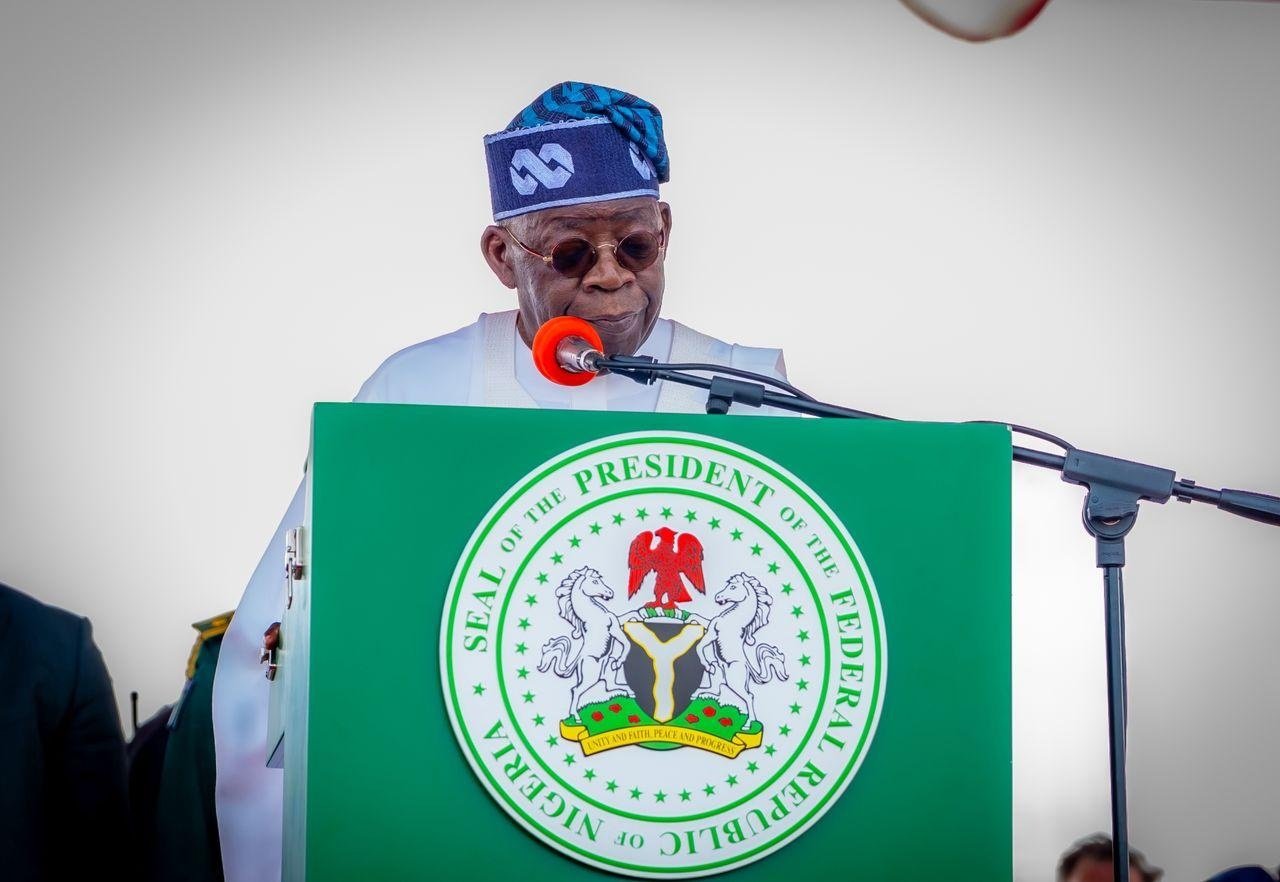
President Bola Ahmed Tinubu on Thursday accused former Vice President Atiku Abubakar and the presidential candidate of the African Democratic Congress (ADC) of demonstrating what he described as ignorance about governance and the economy.
The President’s remarks have added fresh intensity to Nigeria’s emerging political debate ahead of the 2027 general elections, with economic management and government performance expected to remain major issues in the political contest.
Tinubu’s comments reflect the growing disagreements between the administration and opposition figures over the direction of Nigeria’s economy and the policies required to address the country’s challenges.
President Defends Economic Direction
The President has continued to defend his administration’s economic policies while arguing that the government is implementing reforms designed to strengthen Nigeria’s long-term economic position.
Furthermore, the administration has maintained that difficult economic reforms are necessary to address structural weaknesses and create conditions for sustainable growth.
Economic reforms can produce short-term pressures.
Policy changes can require adjustment.
Long-term benefits can depend on consistent implementation.
The government has therefore continued to present its economic programme as part of a broader strategy to reposition the Nigerian economy.
Atiku Remains a Major Opposition Voice
Atiku Abubakar remains one of the prominent figures challenging the Tinubu administration’s policies and direction.
Furthermore, the former Vice President has repeatedly criticised aspects of the government’s economic management and called for alternative approaches to Nigeria’s economic challenges.
The disagreement between both political figures is therefore likely to remain prominent as the country moves closer to the 2027 election.
Economic performance will influence voters.
Government policies will face greater scrutiny.
Opposition parties will continue presenting alternatives.
ADC Candidate Also Under Criticism
Tinubu’s criticism also extended to the presidential candidate of the African Democratic Congress.
Furthermore, the ADC has positioned itself as an alternative political platform ahead of the next presidential election, seeking to attract Nigerians dissatisfied with the established political parties.
The President’s comments indicate that the administration views criticism from opposition candidates as part of a wider political contest over Nigeria’s future.
Governance at the Centre of the Debate
The disagreement goes beyond individual political personalities.
Furthermore, it reflects competing views about how Nigeria should manage its economy, develop infrastructure, attract investment, create employment, and address the cost-of-living pressures affecting citizens.
Political parties are expected to present different approaches.
Candidates will defend their records.
Opposition figures will highlight areas of concern.
Voters will ultimately assess the competing arguments.
Economic Management Remains Sensitive
Nigeria’s economy remains one of the most important issues facing the government and citizens.
Furthermore, inflation, household purchasing power, employment, investment, energy costs, taxation, and business conditions continue to shape public discussions.
Economic reforms therefore attract strong political reactions.
Supporters may view reforms as necessary adjustments.
Critics may argue that the measures impose excessive pressure.
The disagreement is likely to intensify as the 2027 election approaches.
The 2027 Political Contest
The latest exchange comes as political alignments continue to develop ahead of the presidential election.
Furthermore, opposition figures are increasingly positioning themselves for the contest, while the ruling establishment continues to defend the administration’s record.
Political competition can increase scrutiny.
Public debates can expose policy differences.
Voters can compare competing visions.
The coming political season is therefore expected to feature intense discussions about economic management and governance.
Need for Issue-Based Debate
While political disagreements are a normal part of democratic competition, the country’s major challenges require substantive policy discussions.
Furthermore, Nigerians need clear explanations of how competing political platforms intend to address unemployment, inflation, insecurity, infrastructure gaps, energy challenges, and economic inequality.
Candidates should explain their policies.
Political parties should present measurable proposals.
Voters should have access to credible information.
Such an approach can strengthen democratic decision-making.
Economic Policies Will Face Scrutiny
As the election approaches, the administration’s economic record will likely become a central campaign issue.
Furthermore, supporters will point to reforms and government programmes, while opposition candidates will assess their effects on households and businesses.
Economic growth will remain important.
Employment figures will attract attention.
Investment performance will influence debate.
The cost of living will also remain a major concern for voters.
Looking Ahead
Tinubu’s criticism of Atiku Abubakar and the ADC presidential candidate demonstrates how Nigeria’s political debate is becoming increasingly focused on governance and economic management.
The President has defended his administration’s direction while questioning the understanding of his political opponents.
The opposition, however, will continue to present alternative interpretations of Nigeria’s economic situation and propose different policy solutions.
As the 2027 election approaches, Nigerians will have the opportunity to assess these competing arguments based on policies, records, economic outcomes, and proposed solutions.
Ultimately, the strength of the coming political debate will depend on whether candidates move beyond accusations and provide Nigerians with clear, practical, and measurable plans for improving governance, strengthening the economy, and raising living standards.