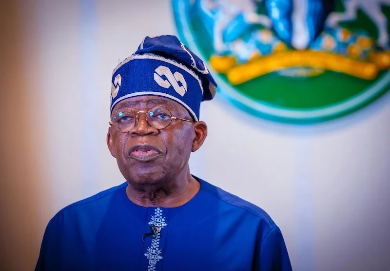
President Bola Ahmed Tinubu has declared that Nigeria will no longer rely on exporting raw cocoa beans while importing finished chocolate products, unveiling an ambitious strategy to transform the country’s cocoa industry through local processing, industrialisation, and value addition.
The President said the new direction is aimed at repositioning Nigeria as a major producer of high-value cocoa products, creating jobs, increasing export earnings, and strengthening the country’s manufacturing sector.
Furthermore, he stressed that processing agricultural commodities locally remains essential for unlocking the full economic potential of Nigeria’s agricultural value chains.
Ending the Export of Raw Commodities
President Tinubu said Nigeria must move beyond the traditional practice of exporting raw cocoa beans without benefiting from the higher returns associated with processed products.
Furthermore, he noted that countries which process cocoa into chocolate, confectioneries, beverages, and other finished goods generate significantly greater economic value than those exporting only raw produce.
Value addition strengthens national prosperity.
Driving Industrialisation
The President explained that expanding local cocoa processing will support the Federal Government’s industrialisation agenda.
Furthermore, establishing more processing facilities will stimulate manufacturing, encourage technology transfer, and strengthen domestic industries capable of competing in international markets.
Industrial growth remains central to economic transformation.
Creating Employment Opportunities
Tinubu emphasised that developing Nigeria’s cocoa processing industry will create thousands of employment opportunities across the agricultural and manufacturing sectors.
Furthermore, increased investment in processing plants, logistics, packaging, research, and marketing will generate jobs for farmers, factory workers, engineers, technicians, and young entrepreneurs.
Industrial expansion supports inclusive employment.
Increasing Export Earnings
The President noted that exporting finished cocoa products rather than raw beans will significantly increase Nigeria’s foreign exchange earnings.
Furthermore, higher-value exports will strengthen the country’s trade balance while reducing dependence on crude oil revenue.
Diversified exports improve economic resilience.
Supporting Cocoa Farmers
Tinubu assured cocoa farmers that the administration remains committed to improving productivity throughout the cocoa value chain.
Furthermore, investments in modern farming techniques, improved seedlings, extension services, access to finance, and market opportunities will help increase production while improving farmers’ incomes.
Agriculture remains a key pillar of national development.
Attracting Private Investment
The President called on local and international investors to participate in the development of Nigeria’s cocoa processing industry.
Furthermore, favourable policies, improved infrastructure, and stronger public-private partnerships are expected to encourage investment in processing facilities and agro-industrial development.
Investment accelerates industrial growth.
Strengthening Nigeria’s Global Competitiveness
Tinubu stated that expanding local processing will position Nigeria more competitively within the global cocoa market.
Furthermore, producing finished cocoa products will enhance the country’s reputation as a manufacturing hub while increasing its participation in international agricultural value chains.
Competitiveness drives long-term growth.
Building a Sustainable Cocoa Economy
President Bola Ahmed Tinubu reaffirmed that transforming Nigeria’s cocoa industry forms part of the administration’s broader economic diversification strategy.
Furthermore, by promoting local processing, industrialisation, value addition, job creation, higher export earnings, and stronger support for cocoa farmers, the Federal Government aims to build a sustainable cocoa economy capable of driving inclusive growth and contributing significantly to Nigeria’s long-term economic development.