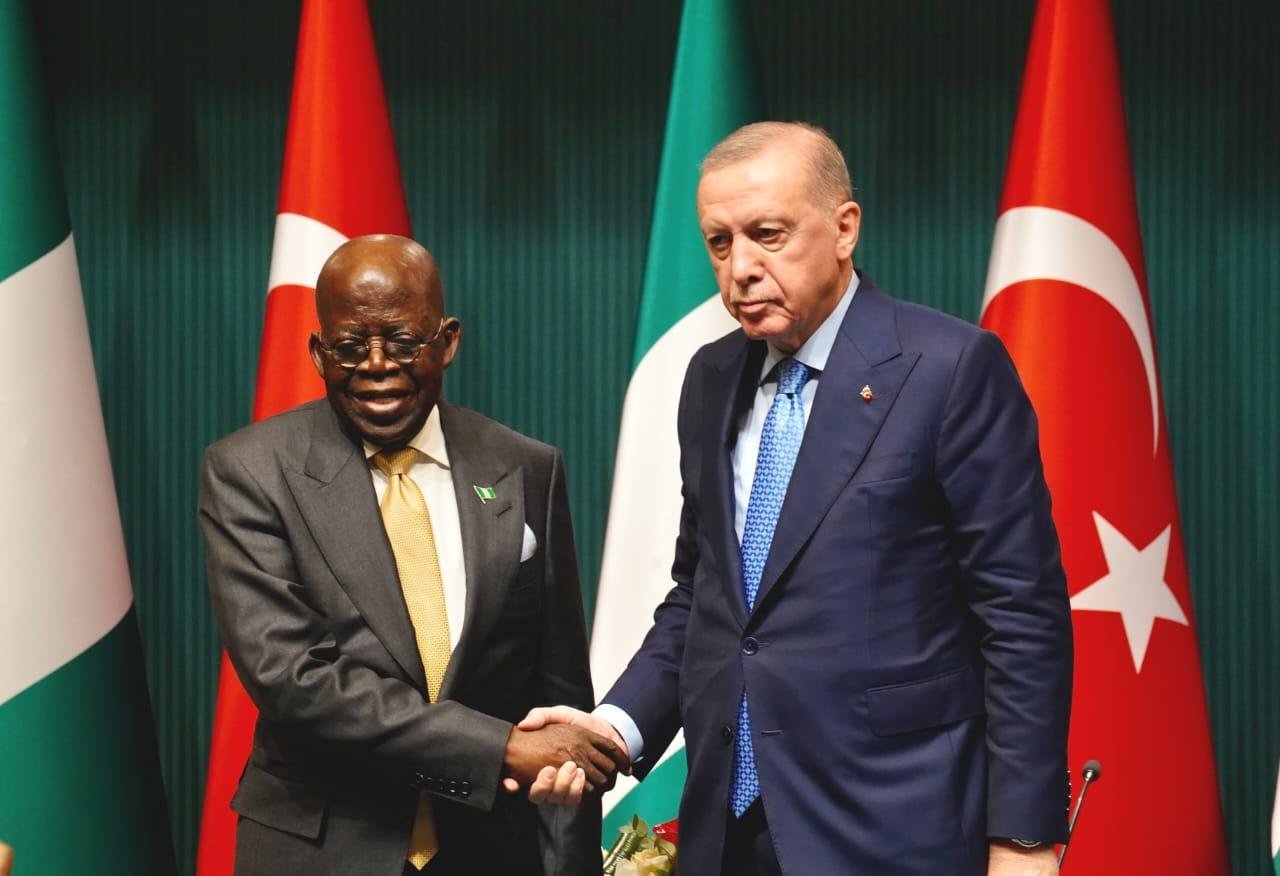
President Bola Ahmed Tinubu has called on international oil companies operating in Nigeria to provide indigenous engineering and manufacturing firms with greater opportunities to participate in major energy projects, as the country seeks to strengthen local capacity and expand domestic industrial participation in the oil and gas sector.
The appeal highlights the importance of building stronger connections between international energy operators and Nigerian businesses capable of supplying equipment, technical services and engineering solutions.
Greater participation by local firms could help retain more value within the Nigerian economy, develop specialised skills, create employment opportunities and support the growth of domestic manufacturing. It could also strengthen the capacity of Nigerian companies to compete for increasingly complex projects within and beyond the country’s energy industry.
Tinubu Emphasises Indigenous Participation in the Energy Sector
Nigeria’s oil and gas industry remains a major component of the national economy, attracting investment from international operators, service providers and engineering contractors. However, the extent to which domestic businesses benefit from major projects depends partly on their access to contracts, financing, technology and technical expertise.
Tinubu’s call places renewed emphasis on the role indigenous engineering and manufacturing firms can play in the sector’s development.
Rather than limiting local participation to smaller contracts and routine services, Nigerian companies could benefit from opportunities to undertake more technically demanding assignments, manufacture industrial components and participate in the supply chains supporting large-scale energy developments.
Such opportunities would allow local firms to build experience, improve their technical capabilities and establish stronger relationships with international companies operating in Nigeria.
However, expanding indigenous participation will require sustained cooperation between government, oil companies, local manufacturers and industry regulators.
Local Content as a Driver of Industrial Development
Local content has remained an important policy objective in Nigeria’s petroleum industry. The Nigerian Oil and Gas Industry Content Development Act provides a framework for increasing the participation of Nigerian companies and workers in oil and gas operations.
The policy seeks to promote the use of domestic expertise, labour, goods and services while encouraging the development of local capacity across the industry’s value chain.
Tinubu’s appeal reinforces the broader objective of ensuring that investment in the energy sector generates benefits beyond crude oil production and government revenue.
When indigenous firms secure substantial engineering and manufacturing contracts, the benefits can extend to other industries. Local suppliers may purchase materials from domestic businesses, employ skilled workers and invest in machinery, production facilities and technical training.
In addition, stronger local supply chains could reduce dependence on certain imported goods and services, although the extent of this benefit would depend on the availability, cost and quality of domestically produced alternatives.
For Nigeria, the long-term objective is to ensure that local content translates into lasting industrial capability rather than contract awards alone.
Opportunities for Nigerian Engineering and Manufacturing Firms
Major energy projects require a broad range of products and services, including equipment fabrication, pipeline components, electrical systems, mechanical engineering, maintenance, inspection and specialised technical support.
Nigerian firms with the appropriate expertise and facilities could participate in several of these areas.
Greater access to procurement opportunities could also encourage manufacturers to expand their operations, invest in modern production technologies and improve their compliance with international quality and safety standards.
For smaller businesses, participation in the supply chains of major oil companies could provide opportunities to grow beyond local markets. With sufficient experience and investment, some firms may eventually compete for contracts in other African markets.
Nevertheless, participation in large energy projects often requires significant financial resources, specialised equipment, technical certifications and the ability to meet strict delivery schedules.
Consequently, creating opportunities for indigenous firms should be accompanied by practical measures that help qualified businesses meet the requirements of major operators.
Technology Transfer and Skills Development
Greater involvement in complex energy projects could also create opportunities for Nigerian engineers and technicians to acquire specialised knowledge.
When local firms work alongside international operators and engineering contractors, they can gain experience in project management, equipment design, industrial fabrication, quality assurance and advanced maintenance practices.
However, these benefits are not automatic. Effective technology transfer requires deliberate cooperation, skills development and opportunities for Nigerian personnel to undertake meaningful technical responsibilities.
International oil companies could support this process through supplier development programmes, technical partnerships, training initiatives and long-term procurement relationships with capable domestic businesses.
Such arrangements could help indigenous firms improve productivity and build the expertise needed to take on more sophisticated assignments.
Over time, a stronger domestic engineering base could support the development of related industries, including metal fabrication, industrial equipment production, electrical manufacturing and specialised technical services.
Addressing Barriers to Local Participation
Despite the opportunities, indigenous engineering and manufacturing firms may face significant challenges when competing for major energy contracts.
Access to affordable financing remains important because companies may need to purchase equipment, hire skilled workers and secure materials before receiving payment for completed work. Delays in procurement or payment can place additional pressure on businesses with limited working capital.
Infrastructure constraints, high operating costs and access to specialised technology can also affect the competitiveness of domestic manufacturers.
Furthermore, international operators must ensure that suppliers meet demanding technical, environmental, health and safety requirements. Expanding local participation must therefore go hand in hand with improvements in quality, reliability and operational performance.
A practical approach would combine transparent procurement processes with clear technical requirements, supplier training and sufficient visibility into upcoming projects. This could give indigenous companies a better opportunity to prepare and invest before contracts are awarded.
Government institutions, industry associations and financial institutions could also collaborate to address barriers that prevent otherwise capable firms from competing effectively.
Strengthening Nigeria’s Energy Value Chain
Tinubu’s appeal comes against the wider need to ensure that Nigeria’s energy investments contribute to economic diversification, industrial growth and employment.
A stronger domestic engineering and manufacturing sector could help the country capture more value from oil and gas activities while developing capabilities that remain useful beyond the petroleum industry.
The impact of the initiative will depend on whether international oil companies translate the call into meaningful procurement opportunities and whether Nigerian firms can consistently meet project requirements.
Progress could be assessed through measurable indicators, including the value of contracts awarded to qualified indigenous companies, the range of locally manufactured products used in energy projects, the number of skilled jobs created and the extent of technical capacity developed.
Ultimately, increasing local participation is not simply about awarding contracts to Nigerian companies. It is about enabling them to build sustainable businesses, develop advanced technical capabilities and compete on the strength of their performance.
By encouraging international oil companies to give indigenous engineering and manufacturing firms greater opportunities, Tinubu has highlighted a key issue in Nigeria’s industrial development: ensuring that major energy investments also help build the domestic businesses and expertise needed for long-term economic growth.