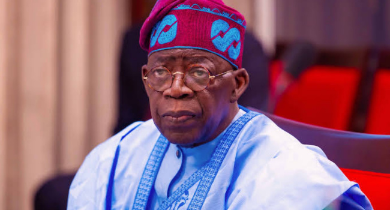
President Bola Ahmed Tinubu has cautioned members of the political class in Ekiti State against creating unnecessary distractions for Governor Biodun Oyebanji through early declarations of interest in the 2030 governorship election.
The President warned that premature political positioning could generate internal contradictions, deepen disagreements among political stakeholders and undermine the effective delivery of governance.
His caution places renewed attention on the timing of political activities within Ekiti State, where the current administration is expected to focus on implementing its programmes and addressing the needs of residents rather than becoming entangled in succession-related disputes.
Tinubu Urges Political Class to Avoid Distractions
Tinubu’s warning centres on the potential consequences of beginning the contest for the 2030 governorship election too early.
Early declarations of political ambition can create competing interests within a governing political structure, particularly when multiple aspirants begin building support networks before the administration in office has completed its policy agenda.
Such competition can also redirect attention from governance towards political calculations, as aspirants and their supporters seek to establish influence within party structures.
The President’s position, as conveyed in his caution, is that these activities should not become a source of unnecessary pressure on Oyebanji’s administration or generate divisions capable of affecting its work.
Governance and Political Succession
Political succession is a normal feature of democratic competition, but the timing and conduct of early campaigns can influence relationships within a party and the wider political environment.
When political actors begin positioning themselves well ahead of an election, disagreements may emerge over endorsements, party influence and the distribution of political opportunities.
These tensions can become more pronounced when aspirants are associated with different factions or influential stakeholders. If not managed carefully, internal disagreements may affect cooperation among political leaders and weaken the cohesion required to pursue shared objectives.
Tinubu’s caution highlights the importance of managing such interests without allowing the pursuit of future political ambitions to interfere with the responsibilities of the current administration.
Oyebanji’s Administration and Policy Priorities
Governor Biodun Oyebanji’s administration remains responsible for delivering its programmes and responding to the needs of Ekiti residents.
The President’s warning suggests that political actors should avoid activities that could divert attention from these responsibilities or create avoidable tensions around the governor’s leadership.
Maintaining political stability within a governing party can help leaders coordinate their activities, communicate policy priorities and address disagreements without allowing them to dominate public administration.
However, political stability also depends on open communication, clear party procedures and respect for the legitimate interests of members. Managing succession discussions requires balancing those considerations with the need to maintain focus on the work of government.
Early Ambitions and Internal Party Relations
Declarations of interest in future elections can serve as an early indication of political ambitions, but they may also prompt other aspirants to begin competing for influence.
In a state political environment, such competition can affect relationships among elected officials, party leaders, grassroots organisers and supporters. The resulting disagreements may become a distraction if they overshadow policy implementation or develop into sustained internal disputes.
Tinubu’s caution therefore raises a broader question about how political parties manage succession discussions while an incumbent administration remains in office.
Clear internal processes and constructive engagement can provide a framework for addressing political ambitions without allowing competing interests to undermine cooperation.
At the same time, the President’s warning does not, by itself, establish that any particular declaration has already derailed governance in Ekiti State. The concern expressed is about the potential consequences of premature political positioning.
Focus on Governance Ahead of 2030
The 2030 governorship contest remains a future political event, and the period before an election provides an opportunity for the current administration to concentrate on its responsibilities.
For Oyebanji’s government, the central task is to pursue its programmes and respond to public concerns. For political stakeholders, the challenge is to manage their ambitions and party interests without creating divisions that could interfere with governance.
Tinubu’s message underscores the distinction between preparing for future political competition and allowing succession-related activities to dominate the present political environment.
Ultimately, the effect of the President’s caution will depend on how political actors in Ekiti State respond and whether they can manage their ambitions while maintaining cooperation around the responsibilities of government. The issue places both party cohesion and effective governance at the centre of discussions about the state’s political future.