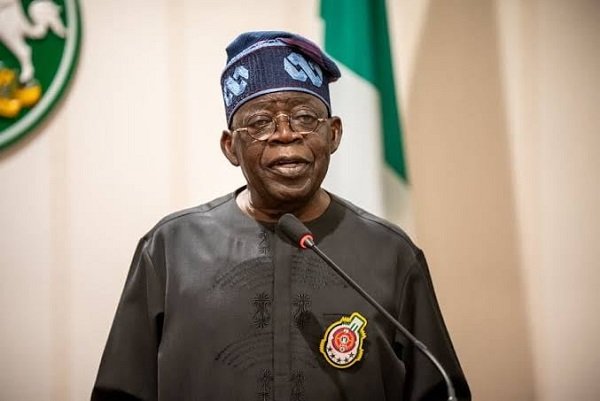
A pro-All Progressives Congress support group, Grassroots Mobilisation for APC PBAT Nationwide (PBATGMAPC), has launched a nationwide mobilisation campaign ahead of the 2027 general elections, declaring strong support for the re-election bid of Bola Ahmed Tinubu.
The development reflects the growing political activities and strategic positioning already taking shape several years before Nigerians return to the polls for another presidential election cycle.
Across the country, support groups, political stakeholders, and party loyalists are increasingly intensifying mobilisation efforts aimed at strengthening grassroots engagement and consolidating political structures ahead of 2027.
The latest campaign launch highlights how early political preparation continues shaping Nigeria’s democratic landscape.
Why Grassroots Mobilisation Matters in Nigerian Politics
Grassroots mobilisation remains one of the most important elements of political success in Nigeria.
Political parties and support organizations frequently depend on local engagement networks to build voter awareness, strengthen public participation, and sustain political momentum across communities.
Elections are rarely won through elite conversations alone.
Community-level mobilisation often determines voter turnout, public perception, and campaign effectiveness during major election cycles. Consequently, support groups frequently play strategic roles within political structures.
Grassroots organizations also help expand political visibility.
Through rallies, town hall meetings, advocacy campaigns, and community outreach activities, political groups strengthen connections between political leaders and citizens.
This approach remains especially important within a country as large and diverse as Nigeria.
The Growing Political Build-Up Toward 2027
Although the 2027 general elections remain years away, political activities across Nigeria are already gaining momentum.
Support groups, political actors, and party stakeholders continue positioning themselves strategically as conversations surrounding continuity, governance, and future leadership intensify nationwide.
Early mobilisation offers several advantages.
Political organizations frequently use the pre-election period to strengthen networks, recruit supporters, improve visibility, and shape public narratives before formal campaigns begin officially.
The launch of the nationwide mobilisation effort by Grassroots Mobilisation for APC PBAT Nationwide reflects this broader political reality.
In modern politics, long-term preparation often influences electoral outcomes significantly.
Tinubu’s Presidency and Political Support
Bola Ahmed Tinubu continues attracting support from political allies, advocacy groups, youth organizations, and party loyalists who frequently cite ongoing reforms, infrastructure development efforts, and economic policies as reasons for continued backing.
Since assuming office, the administration has remained heavily focused on economic restructuring, infrastructure expansion, digital economy growth, and investment attraction strategies.
Supporters frequently argue that long-term reforms require continuity.
Many political groups backing the President believe sustained leadership may help consolidate ongoing policies and national development programmes over time.
Political continuity remains a common argument within democratic systems globally.
The Role of Political Support Groups
Political support organizations continue playing increasingly influential roles within Nigeria’s democratic process.
These groups frequently operate independently while promoting party ideals, government achievements, and voter mobilisation activities across different regions.
Support groups often serve multiple functions.
Beyond election campaigns, many organizations engage in political education, public advocacy, stakeholder engagement, youth mobilisation, and community outreach programmes.
Some groups also help shape political narratives online and offline.
Digital platforms increasingly allow support organizations to expand messaging, engage younger demographics, and strengthen public visibility more effectively than before.
The evolution of political communication continues changing campaign strategies nationwide.
Why Early Mobilisation Is Becoming More Common
Modern political campaigns increasingly begin years before election periods officially commence.
Political parties and support organizations now recognize the importance of sustained visibility, public engagement, and long-term voter relationship building.
Social media has accelerated this trend significantly.
Political narratives now evolve continuously through digital platforms, online communities, and public discussions that remain active beyond traditional election cycles.
Consequently, support groups increasingly operate year-round.
The nationwide mobilisation campaign launched by Grassroots Mobilisation for APC PBAT Nationwide reflects this modern political strategy focused on long-term engagement rather than short-term election activities alone.
Youth Participation and Political Engagement
Young Nigerians continue playing increasingly important roles within political mobilisation efforts.
Nigeria possesses one of Africa’s youngest populations, making youth engagement critically important for political organizations seeking nationwide influence.
Support groups frequently target younger demographics through digital campaigns, entrepreneurship conversations, governance discussions, and community-based initiatives.
Political awareness among youths has grown significantly in recent years.
Social media platforms, digital activism, and broader civic engagement continue influencing how younger Nigerians participate within democratic processes.
This changing political culture continues reshaping campaign strategies.
The Importance of Peaceful Democratic Participation
Political mobilisation remains an essential part of democratic systems when conducted peacefully and responsibly.
Support organizations frequently help encourage civic participation, voter education, and public engagement within democratic institutions.
Healthy political competition strengthens democracy.
Diverse opinions, active campaigns, public debates, and citizen participation frequently contribute to stronger democratic culture and institutional development.
Nigeria’s democracy continues evolving through these processes.
As political activities increase ahead of 2027, maintaining peaceful engagement and issue-based political conversations will remain increasingly important.
Challenges Facing Nigeria’s Political Environment
Despite growing political engagement, Nigeria’s political landscape still faces several challenges.
Economic pressures, unemployment, insecurity concerns, and public dissatisfaction over governance issues frequently influence political conversations nationwide.
Political organizations must increasingly address policy expectations alongside mobilisation activities.
Citizens today often demand clearer governance outcomes involving economic stability, infrastructure, education, healthcare, and employment opportunities.
Public expectations continue evolving rapidly.
Consequently, political campaigns increasingly depend not only on party loyalty but also on performance perception and policy credibility.
The Bigger Picture Ahead of 2027
The launch of the mobilisation campaign by Grassroots Mobilisation for APC PBAT Nationwide signals that Nigeria’s political atmosphere is gradually entering another strategic phase ahead of the next general elections.
Support groups across different political alignments will likely intensify outreach efforts over the coming years as political narratives continue developing nationwide.
The road to 2027 may involve increasing coalition building, grassroots engagement, digital mobilisation, and policy-driven political conversations.
Political momentum often begins long before election day itself.
Looking Ahead
As political mobilisation expands across Nigeria, public engagement within democratic processes will likely continue growing ahead of the 2027 elections.
The declaration of support for Bola Ahmed Tinubu by Grassroots Mobilisation for APC PBAT Nationwide reflects ongoing efforts to consolidate political backing and strengthen nationwide campaign structures early.
Ultimately, Nigeria’s democratic future will continue being shaped not only by political parties and leaders, but also by the level of citizen participation, public engagement, and peaceful political mobilisation across the country.