The African Development Bank Group (AfDB) has approved a $61 million financing package for the Development Bank of Nigeria (DBN) to strengthen access to affordable credit for women-owned and women-led businesses across Nigeria.
The financing intervention comes at a time when conversations around women entrepreneurship, financial inclusion, and economic empowerment continue gaining momentum across Africa’s largest economy.
For years, many women entrepreneurs in Nigeria have faced serious barriers when attempting to access business financing.
Limited collateral ownership, weaker access to formal banking systems, cultural limitations, and lower financial inclusion levels frequently prevented women-led enterprises from securing affordable loans needed for growth and sustainability.
As a result, many businesses remained small despite strong market potential.
The new financing package is expected to help address part of this challenge by supporting broader access to credit and strengthening opportunities for women entrepreneurs operating across multiple sectors.
Why Women Entrepreneurs Matter to Nigeria’s Economy
Women-owned businesses continue playing major roles within Nigeria’s economy.
Across agriculture, fashion, healthcare, education, retail trade, manufacturing, hospitality, food production, and digital services, women entrepreneurs contribute significantly to employment generation and local economic activity.
Many communities depend heavily on women-led enterprises.
Small businesses operated by women frequently support household incomes, create jobs, and strengthen local supply chains. Therefore, expanding financial access for women entrepreneurs may positively affect broader economic productivity.
Women also remain increasingly active within emerging industries.
Technology startups, fintech businesses, e-commerce ventures, and creative enterprises now include growing numbers of female entrepreneurs seeking opportunities within Nigeria’s expanding digital economy.
Despite these contributions, financing gaps remain substantial.
The Financing Challenges Facing Women-Led Businesses
Access to affordable credit continues representing one of the biggest obstacles confronting women entrepreneurs across Nigeria.
Traditional commercial banking systems frequently require collateral conditions difficult for many women-owned businesses to satisfy. In some cases, limited property ownership reduces borrowing eligibility significantly.
Financial exclusion creates additional barriers.
Many women entrepreneurs operate informally or possess limited banking histories, making access to formal lending systems more difficult. Consequently, businesses frequently depend on personal savings or informal borrowing arrangements with limited growth capacity.
High-interest lending conditions also affect sustainability.
Some entrepreneurs secure financing only to struggle with repayment burdens capable of weakening profitability and long-term business expansion.
These challenges have continued limiting enterprise growth nationwide.
How the New AfDB Financing Could Help
The African Development Bank Group’s financing support for the Development Bank of Nigeria is expected to improve lending opportunities for women-owned and women-led enterprises through expanded financial access.
Development-focused financing institutions frequently operate differently from conventional commercial banks.
Rather than prioritizing short-term profitability alone, they often focus on broader economic inclusion, entrepreneurship development, and productive sector growth.
The funding may help strengthen lending capacity for businesses requiring growth capital.
Women entrepreneurs may gain better opportunities to invest in equipment, infrastructure, technology adoption, inventory expansion, and workforce development.
Affordable financing frequently transforms enterprise sustainability.
Businesses capable of securing stable and accessible funding often expand operations more confidently and create stronger economic impact within communities.
Why Financial Inclusion Matters
Financial inclusion continues emerging as one of the most important pillars of economic development globally.
Millions of individuals and businesses across Africa still remain underserved by formal banking systems due to structural, geographic, or economic barriers. Consequently, access to financial services remains uneven.
Women are frequently among the most affected groups.
Expanding access to credit, savings systems, insurance products, and digital financial tools may significantly improve economic participation and business sustainability for female entrepreneurs.
Inclusive economies often grow more sustainably.
When broader populations participate within formal economic systems, productivity, investment activity, and household incomes frequently improve.
Therefore, financial inclusion remains closely connected to long-term national development.
The Growing Importance of Women in Business
Women entrepreneurship continues rising rapidly across Nigeria and Africa.
Increasing numbers of women are launching businesses within sectors such as agriculture, renewable energy, technology, fashion, logistics, education, and healthcare.
Digital innovation is accelerating this growth.
E-commerce platforms, social media marketing, mobile banking, and fintech services increasingly allow women entrepreneurs to access customers and financial services more efficiently than before.
Technology is reducing traditional business barriers.
Women-owned startups within Nigeria’s digital economy continue attracting attention for innovation and scalability potential.
This shift reflects broader economic transformation trends.
The Role of Development Bank of Nigeria
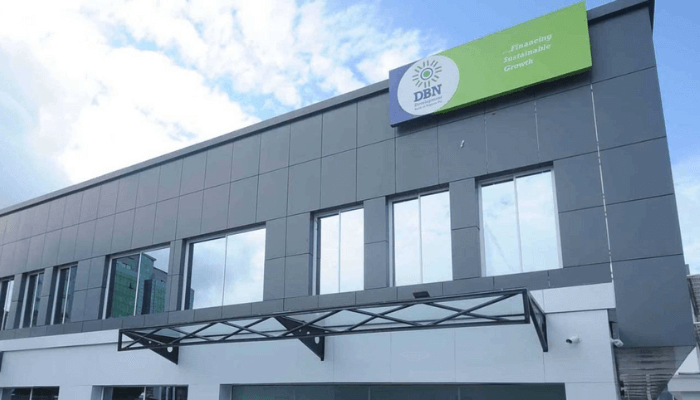
The Development Bank of Nigeria continues serving as one of Nigeria’s major development-focused financial institutions supporting Micro, Small and Medium Enterprises (MSMEs).
Rather than lending directly to businesses, DBN works through participating financial institutions including commercial banks and microfinance institutions to expand financing access nationwide.
This partnership model strengthens lending capacity within the financial ecosystem.
By supporting lending expansion, DBN contributes to entrepreneurship growth, financial inclusion, and private sector development across multiple industries.
The institution’s role remains increasingly important as Nigeria seeks stronger economic diversification.
Small businesses continue serving as major drivers of employment generation and innovation nationwide.
Economic Diversification and Enterprise Growth
Nigeria’s long-term economic future increasingly depends on strengthening productive sectors beyond crude oil revenues.
Agriculture, manufacturing, digital services, transportation, healthcare, renewable energy, and creative industries continue offering substantial growth opportunities.
Women entrepreneurs remain active participants within these sectors.
Consequently, improving financing access for female-led enterprises may contribute significantly to industrial productivity and economic expansion.
Enterprise development frequently supports broader social progress.
When businesses grow successfully, communities often experience stronger employment opportunities and improved economic participation.
Challenges Still Facing Entrepreneurs
Despite improving financing opportunities, Nigerian businesses continue operating within challenging economic conditions.
Inflation, exchange rate volatility, rising operational costs, energy limitations, and logistics challenges frequently affect productivity and profitability.
Women entrepreneurs often face additional structural pressures.
Balancing business responsibilities with family obligations and social expectations frequently creates unique operational challenges for many female business owners.
However, stronger financial support systems may help improve resilience.
Access to affordable financing often allows businesses to adapt more effectively during difficult economic periods.
Looking Ahead
The $61 million financing package approved by the African Development Bank Group signals growing recognition of the importance of women entrepreneurship within Nigeria’s economic future.
As access to affordable credit improves, more women-owned businesses may gain opportunities to scale operations, employ workers, and contribute more significantly to national productivity.
The Development Bank of Nigeria remains positioned as an important institution within this transformation through its continued support for enterprise financing and financial inclusion.
Ultimately, empowering women entrepreneurs may become one of the strongest pathways toward inclusive economic growth, stronger communities, and sustainable development across Nigeria.