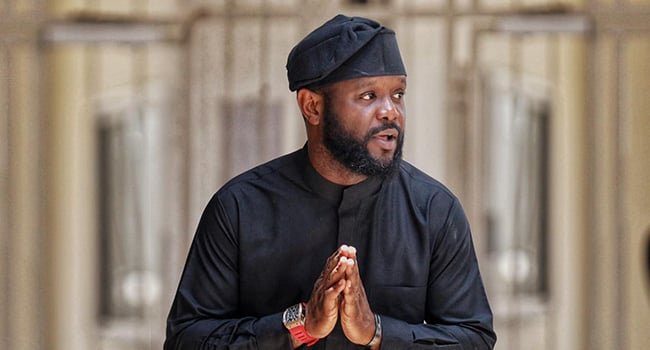
Youth mental health and addiction recovery are becoming increasingly important issues in Nigeria’s development conversation. As young people face pressures associated with unemployment, economic uncertainty, social expectations and substance abuse, the need for accessible counselling, professional treatment and rehabilitation services continues to grow. Breaking the stigma surrounding mental illness and addiction requires public advocacy, community education and stronger support systems that encourage young Nigerians to seek help.
Seyi Tinubu’s involvement in youth mobilisation and community-focused initiatives provides a public platform through which conversations about youth welfare can be expanded. However, an important distinction must be made between his documented activities and the work of government agencies responsible for mental health and addiction treatment. Available public records do not establish a specific number of rehabilitation centres funded or supported by Seyi Tinubu or his organisations, nor do they provide verified youth mental-wellness awareness reach figures attributable directly to him.
Nevertheless, existing national programmes offer useful indicators of the scale of Nigeria’s rehabilitation and awareness efforts.
Why Youth Mental Health and Addiction Recovery Matter
Mental health challenges can affect education, employment, relationships and the ability of young people to participate productively in society. Conditions such as depression, anxiety and trauma can also complicate recovery from substance dependence, making it important for treatment programmes to address psychological well-being alongside addiction.
Unfortunately, stigma remains a significant barrier. Young people experiencing mental health difficulties may avoid seeking professional assistance because they fear discrimination, rejection or being labelled as irresponsible. Families can also struggle to identify appropriate treatment facilities or afford sustained care.
Addressing these challenges requires more than occasional awareness campaigns. Communities need accessible counselling services, trained mental-health professionals, referral systems, rehabilitation facilities and reintegration programmes that help individuals rebuild their lives after treatment.
Seyi Tinubu’s Youth and Community Engagement
Seyi Tinubu is publicly associated with youth mobilisation and community development initiatives, particularly through his role as patron of the City Boy Movement. The organisation describes its activities as extending beyond political mobilisation into community engagement and social welfare.
The movement’s City Boy Care initiative is presented as a platform for supporting individuals and communities through essential assistance. However, its publicly available information does not establish a dedicated network of mental health or addiction rehabilitation centres.
Separately, the Noella Foundation announced several social-impact initiatives in October 2025 to mark Seyi Tinubu’s 40th birthday. The projects included health insurance coverage for 1,000 beneficiaries, medication support for people living with sickle cell disorder, 200 laptops for public schools, digital skills training for 40 young Nigerians and 40 SME empowerment kiosks.
These activities demonstrate involvement in broader health, education and youth empowerment initiatives. However, the published project details do not identify addiction rehabilitation centres or mental-health treatment facilities among the announced interventions.
The distinction is important because general healthcare support, youth empowerment and mental-health rehabilitation are different interventions requiring different resources and performance measures.
Federal Government Launches Yo! Health Initiative
One of the clearest government programmes directly addressing youth mental wellness is the Federal Ministry of Youth Development’s Yo! Health Initiative, launched on May 15, 2025.
The programme focuses on six areas: mental health, alcohol and substance abuse, communicable diseases, health insurance, non-communicable diseases, and sexual and reproductive health.
Its objectives include raising awareness, empowering young people with reliable health information, influencing policy and encouraging collaboration between government institutions, civil society organisations and youth groups.
At its launch, the ministry introduced several supporting resources, including the Embrace Your Mind mental-health guide and a mental-health and substance-abuse helpline.
The guide was developed to help young Nigerians understand mental health, recognise signs of psychological distress and identify appropriate pathways to support. According to the Mental Health for Youth Initiative, more than 1,000 copies had been distributed to young people, educators and community workers following its July 2025 launch.
Although this provides a documented distribution figure, it does not represent the total number of young Nigerians reached through the wider Yo! Health campaign. A consolidated campaign reach figure has not been established in the public information reviewed.
NDLEA Reports 53,843 People Treated Across 31 Rehabilitation Centres
The National Drug Law Enforcement Agency (NDLEA) provides one of the most substantial publicly reported measures of Nigeria’s addiction treatment activities.
In October 2026, the agency reported that it had counselled, treated and rehabilitated 53,843 people through its 31 rehabilitation centres over five years. It also disclosed that it had conducted 17,213 outreach activities under its War Against Drug Abuse (WADA) campaign.
These figures illustrate the scale of the national response to substance abuse. The rehabilitation statistics represent people who received counselling, treatment or rehabilitation, while the outreach figure measures organised awareness activities. Neither figure should be interpreted as the number of young people reached by Seyi Tinubu’s advocacy.
The NDLEA’s approach combines enforcement with prevention and treatment, recognising that reducing drug-related harm requires more than arrests and seizures. Rehabilitation services help individuals address substance dependence, while awareness campaigns encourage communities to recognise risks and seek assistance before problems become more severe.
The agency’s figures also demonstrate why collaboration between government institutions, healthcare providers, families and community organisations remains important.
Expanding Access to Rehabilitation and Community Support
Nigeria’s rehabilitation infrastructure includes government facilities, hospital-based treatment services and centres operated by non-governmental and faith-based organisations.
The NDLEA’s network provides specialised addiction treatment, while the Federal Ministry of Youth Development has established a department responsible for youth health, mental and psychosocial affairs. Its mandate includes coordinating awareness campaigns, supporting youth access to appropriate services and developing quality standards for youth health interventions.
The Federal Ministry of Youth Development’s two-year plan also identifies the Yo! Health Initiative as a platform for addressing mental health and substance abuse among young Nigerians.
These structures provide an institutional foundation for broader youth wellness interventions. However, the availability of a programme or departmental mandate does not automatically mean that a new rehabilitation centre has been established or that every young person has access to treatment.
A stronger national approach would connect awareness campaigns with functional referral services, affordable clinical care, trained counsellors and long-term recovery support. Young people should be able to move from recognising a problem to accessing professional assistance without facing unnecessary financial or social barriers.
Measuring Awareness and Rehabilitation Impact
For any youth mental-health advocacy programme associated with Seyi Tinubu, transparent performance reporting would be necessary to establish its actual reach.
The most useful indicators would include the number of rehabilitation centres directly supported, the number of young people receiving treatment, the number of counselling sessions delivered and the number of communities reached through awareness campaigns.
It would also be important to distinguish between people who attended awareness events, individuals who received professional counselling and those who completed rehabilitation programmes. These are different outcomes and should not be combined into a single reach figure.
As of November 2026, the available public information reviewed does not establish a verified Seyi Tinubu-specific count of supported rehabilitation centres or a consolidated youth mental-wellness awareness reach figure. The national NDLEA figures and the Yo! Health programme provide relevant context, but they cannot be presented as his personal or organisational achievements.
From Stigma to Sustainable Recovery
Breaking the stigma surrounding mental illness and addiction requires consistent public education, compassionate treatment and opportunities for people in recovery to rebuild their lives. Young Nigerians need to understand that seeking help is not a sign of weakness and that addiction recovery should involve healthcare professionals, family support and appropriate rehabilitation services.
Seyi Tinubu’s youth engagement and community-development platforms could provide opportunities to amplify these conversations, particularly by connecting young people with credible health information and established support organisations. However, meaningful claims of impact will require documented partnerships, clearly identified facilities and independently verifiable beneficiary figures.
Nigeria already has important building blocks, including the NDLEA’s 31 rehabilitation centres, its reported 53,843 people treated over five years and the Federal Ministry of Youth Development’s Yo! Health Initiative. The next priority is to expand access, strengthen coordination and ensure that awareness translates into actual care.
Ultimately, the success of youth mental-wellness advocacy should not be measured by publicity alone. It should be measured by the number of young people who receive timely support, access quality treatment, complete recovery programmes and return to their communities with the opportunity to build healthy and productive lives.