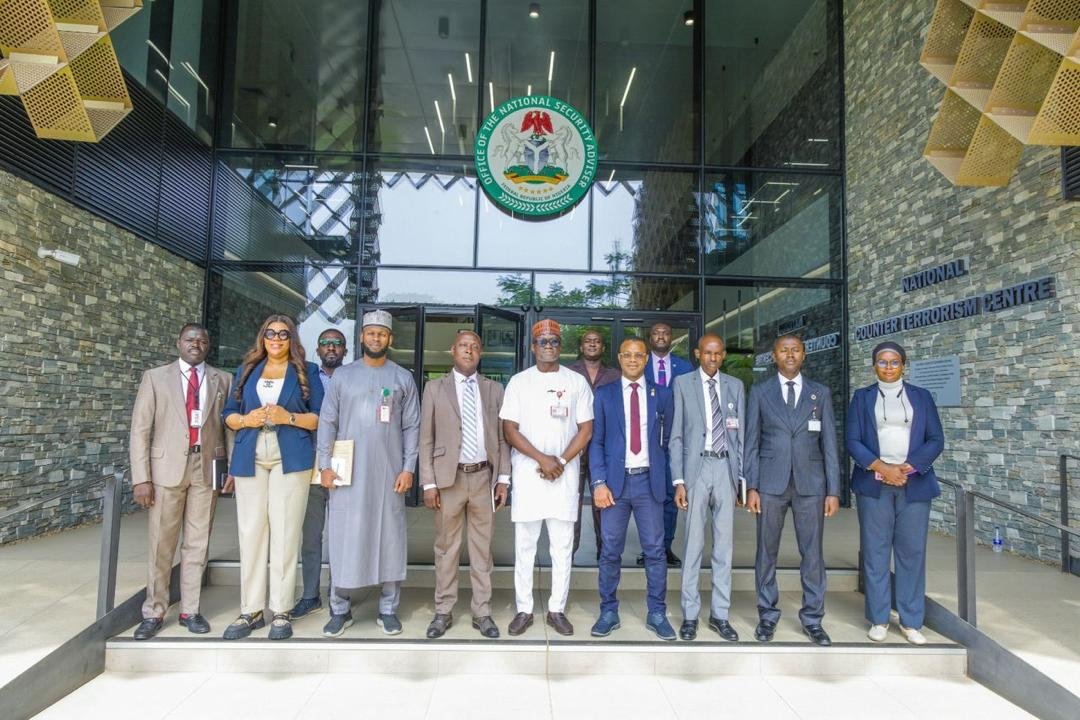
The fight against terrorism, banditry, kidnapping and other violent crimes in Nigeria increasingly depends on disrupting the supply of illegal weapons. Across the country’s security hotspots, firearms give criminal groups the capacity to attack communities, intimidate residents and sustain operations against security forces. Consequently, the National Counter Terrorism Centre (NCTC) and other security institutions have an important role in strengthening inter-agency cooperation, improving intelligence sharing and supporting efforts to remove illicit weapons from circulation.
The scale of Nigeria’s national arms-control effort is reflected in figures released by the National Centre for the Control of Small Arms and Light Weapons (NCCSALW). By September 2026, the Centre had reported that more than 19,000 illicit, obsolete and unserviceable weapons had been destroyed since its establishment. It also disclosed that 5,449 firearms had been recovered in recent nationwide operations.
These figures demonstrate the scale of the national intervention, although they should not be presented as weapons destroyed directly by NCTC or as the result of one specific inter-agency operation.
Why Illegal Arms Remain a National Security Concern
The proliferation of small arms and light weapons continues to complicate Nigeria’s security challenges. Criminal networks rely on firearms to conduct kidnappings, armed robberies, attacks on rural settlements and other violent activities. In conflict-affected communities, the availability of weapons can also intensify disputes and make local security operations more difficult.
The problem extends beyond weapons acquired by criminal groups through local networks. Illicit firearms can enter the country through international trafficking routes, concealment in commercial cargo and illegal transfers between individuals and armed groups.
This makes the response more complicated than simply recovering weapons during security operations. Authorities must also identify trafficking networks, investigate suppliers, trace seized firearms, prosecute offenders where evidence supports charges and prevent recovered weapons from returning to circulation.
An effective response therefore requires cooperation among the police, military, intelligence services, customs authorities, border agencies and specialised national institutions.
More Than 19,000 Weapons Destroyed Nationwide
The NCCSALW has emerged as the central institution coordinating Nigeria’s efforts to control illicit small arms and light weapons. Operating under the Office of the National Security Adviser, the Centre receives recovered and confiscated weapons from relevant agencies, documents them and coordinates their destruction when they are cleared for disposal.
On July 30, 2026, the Centre conducted a public destruction exercise in Abuja, eliminating approximately 2,819 illicitly acquired, decommissioned and unserviceable weapons. The exercise took place at the General Muhammadu Buhari Cantonment in Giri and formed part of the government’s wider effort to prevent illegal firearms from returning to circulation.
At the event, National Security Adviser Nuhu Ribadu reaffirmed the government’s commitment to protecting lives and property. The Centre’s Director-General, retired Deputy Inspector-General of Police Johnson Kokumo, also emphasised the importance of removing dangerous weapons from circulation.
The July exercise brought the cumulative number of destroyed weapons to approximately 19,000 since the Centre’s establishment, according to the official announcement.
Earlier exercises demonstrate how the programme has developed. In June 2025, the Centre destroyed 3,867 assorted illicit small arms and light weapons. In August 2025, another exercise eliminated 1,316 weapons, taking the reported cumulative figure at that time above 13,230.
March 2026, the Centre announced the destruction of approximately 2,800 additional weapons, with the cumulative total exceeding 16,000. These successive exercises demonstrate the continuing nature of the national arms-control programme.
Recoveries and Confiscations Across Security Operations
The destruction figures represent only one part of the national intervention. Security agencies must first recover or confiscate weapons before the Centre can complete the necessary documentation, investigations and disposal procedures.
In September 2026, the News Agency of Nigeria reported that NCCSALW had recovered 5,449 firearms through recent operations nationwide. The Centre’s Director-General disclosed the figures during a joint security news briefing in Abuja, where he also confirmed that more than 19,000 weapons had been destroyed since 2022.
The distinction between recovery and destruction is important. A firearm seized during an operation may remain in official custody while investigators establish its origin, ownership and connection to criminal activity. Some weapons may also require additional legal or administrative clearance before destruction.
Consequently, the 5,449 recovered firearms should not be added to the destruction figure as though they had already been destroyed. They represent a separate measure of the Centre’s recovery activities.
Customs and Border Security Strengthen the Response
Inter-agency cooperation is particularly important at Nigeria’s ports, airports and land borders, where illicit firearms can enter through concealed shipments and trafficking networks.
The Nigeria Customs Service has worked with NCCSALW to intercept and transfer prohibited weapons for investigation and appropriate handling. In June 2025, the Centre confirmed that some firearms intercepted at Onne Port and the NAHCO shed at Murtala Muhammed International Airport were still undergoing tracing, investigation and legal processes.
These cases demonstrate why seizure figures and destruction figures do not always move together. Authorities must establish the circumstances surrounding an interception before determining the appropriate legal and administrative action.
The collaboration also highlights the importance of intelligence-led cargo inspections, information sharing and coordinated investigations. When agencies exchange reliable information, they can identify suspicious shipments, trace the networks behind illegal imports and reduce opportunities for traffickers to exploit weaknesses between enforcement institutions.
Why Weapon Destruction Matters
Recovering illegal firearms removes immediate threats from communities, but destruction provides an additional safeguard against their future circulation. Weapons that remain inadequately secured may be stolen, diverted or transferred through corrupt networks, creating another security problem.
Public destruction exercises are therefore intended to demonstrate accountability and establish that weapons cleared for disposal will not return to criminal hands. They also reinforce the importance of maintaining proper inventories and custody records throughout the recovery and destruction process.
However, destruction alone cannot eliminate illegal arms trafficking. Authorities must also address the networks that manufacture, supply, transport and distribute illicit firearms. Effective border surveillance, intelligence gathering, prosecution and community cooperation remain essential components of a sustainable response.
Measuring the Impact of the Inter-Agency Action Plan
For NCTC and its security partners, the next stage should involve more transparent reporting on the results of coordinated operations across identified hotspots. The national figure of more than 19,000 destroyed weapons provides an important benchmark, but it does not reveal how many firearms were recovered from individual states, local government areas or specific counter-terrorism operations.
A comprehensive performance report should identify the number of firearms recovered by each participating agency, the quantities transferred to NCCSALW, the number cleared for destruction and the total eventually destroyed. It should also distinguish firearms from ammunition, firearm components and other seized materials.
Such reporting would help Nigerians understand whether security operations are disrupting the supply chains that sustain armed criminal groups, rather than simply documenting seizures after individual incidents.
Sustaining the Fight Against Illegal Weapons
Nigeria’s effort to stem the flow of illegal arms requires more than occasional recovery operations and public destruction ceremonies. It demands sustained coordination between intelligence institutions, law-enforcement agencies, the military, customs authorities and communities affected by armed violence.
The NCCSALW’s reported destruction of more than 19,000 weapons and recovery of 5,449 firearms in recent operations provide measurable evidence of the national response. Nevertheless, these figures should remain distinct from NCTC-specific operational achievements until the Centre publishes its own verified results.
Ultimately, the success of the inter-agency approach will depend on whether authorities can prevent illicit firearms from entering the country, dismantle trafficking networks, remove dangerous weapons from circulation and reduce the ability of armed groups to threaten communities. The objective is not merely to destroy recovered weapons, but to make it increasingly difficult for criminal networks to replace them.