document.getElementsByClassName(‘th-hero-container’)[0].insertAdjacentHTML(‘beforebegin’, `
`);
document.getElementsByClassName(“cat-links”)[0].innerHTML = ‘In Partnership with Bazoom‘;
.gallery {/*margin-bottom: 0; top: -40px; position: relative;*/}
div.gallery span.hm-tagged {/* margin: 0; */}
body p,
.entry-content li {
font-size: 24px;
line-height: 150%;
}
#inarticle {
display: none !important;
}
.sidebar-above-footer .hm-container {
padding: 32px !important;
}
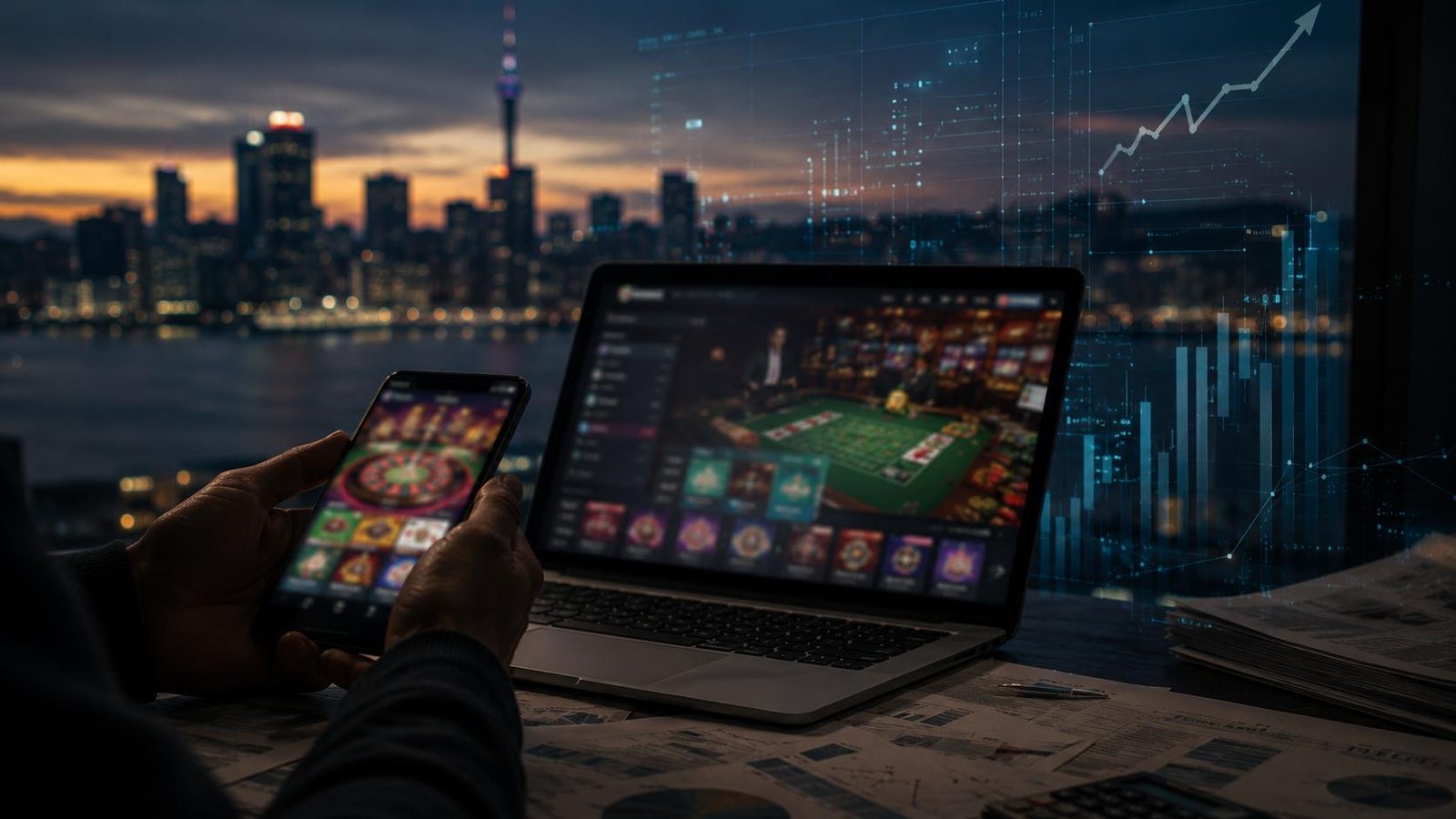
On a crowded Toronto streetcar, a woman in her thirties stares into her phone with a kind of private intensity. She isn’t texting or checking emails. She’s tapping a virtual slot machine, watching as a few cherries align (or not). Nearby, a guy in a Raptors cap is flicking through a sports betting app, checking his parlay. This is not a coincidence. This is the new norm.
Play used to be about fun. Now it’s about micro-escapes, rituals, and sometimes, even small stakes. Digital leisure has grown into something much bigger than a pastime—it’s a coping mechanism.
For many Canadians, play has migrated from board games or the rec leagues to smartphone screens. It’s no longer confined to the weekend or even to a full hour of downtime. Instead, it creeps into moments between work calls, while waiting in line, or during that ambiguous half-hour between Netflix and sleep.
Platforms that let people activate free spins on popular games in Canada are part of this broader shift, offering quick, low-barrier ways to escape, even for just a few minutes. These digital spaces aren’t casinos in the traditional sense. They’re more like mini amusement parks tucked into your pocket.
The Fragmented Leisure Hour
The idea of scheduled, sacred downtime is losing its grip. No more “Thursday night is movie night” or “Saturdays for cards.” Leisure has become fragmented, sliced up, and scattered throughout the day. And while some people lament the loss of intentional relaxation, others seem fine with slotting in a few moments of low-stakes entertainment between tasks.
Micro-leisure is what many now rely on. Five minutes here, ten there. Not quite enough time to start a novel, but enough to open an app, scroll, spin, maybe win something, or maybe just feel like you’re in motion.
And it makes sense. Our calendars are jammed. Our heads are full. These short digital breaks offer a mental shift. A reset button that doesn’t require a whole production. No need to organize friends, change clothes, or even leave the house. You’re just playing.
When Games Became Habits
Let’s be real: most people don’t think of themselves as “gamers,” and yet they’re playing every day. That trivia app. That language game. Those little dopamine hits from levelling up or hitting a streak. Digital games have quietly become part of our daily rhythm, like coffee or checking the weather.
This is partly by design. Daily bonuses, push notifications, little sounds, and sparkles: these are features designed to keep you coming back. One spin turns into five. One level becomes a streak. You don’t even notice the habit forming until you’re annoyed the game hasn’t refreshed your reward yet.
Even apps not tied to gambling or betting use this logic: fitness apps, habit trackers, even streaming services. They’re all chasing engagement, and the best way to do that is to build in a sense of progress. Something just within reach.
People respond to this because it makes them feel involved and in control. Or at least, like there’s a system that makes sense—something that reacts predictably when so much else doesn’t.
The Culture of Play
Of course, this isn’t just about dopamine or distraction. Play itself is changing, and it’s doing so alongside broader cultural shifts. Once thought of as childish or frivolous, play is now seen as essential. Something we carry into adulthood not just for fun, but for learning, connecting, and even processing stress.
The rise of digital play isn’t isolated; it’s woven into our social fabric. These platforms don’t just serve individual appetites for entertainment; they also shape how we relate to one another, subtly influencing peer dynamics and mental‑health norms in the context of online engagement. Today, gaming is increasingly tied to social connection and cultural behaviour, not just personal habit.
In Canada, this is particularly noticeable. From trivia nights on Twitch to gamified wellness apps, we’ve seen play become something more ambient, woven into everyday digital life. It’s not just about competition anymore; it’s about interaction, rhythm, habit, and sometimes just not thinking so hard.
Games of chance—slot machines, digital dice rolls, or spins—fit naturally into this landscape. They’re short, stimulating, and noncommittal. The draw isn’t necessarily the payout, but the moment of possibility—that flicker of “what if?”—is inviting.
The Risk and Reward Mindset
Here’s the thing: Canadians aren’t just looking for entertainment. Increasingly, we’re engaging with systems that mimic real-world risk and reward. From crypto apps to stock simulators, from loyalty programs to betting slips, there’s a pattern: small risks, maybe big outcomes.
Digital games that use free spins or bonus rounds fit neatly into this psychology. These don’t feel like gambling in the traditional sense but more like trying your luck in a low-stakes way. No pressure, no major investment.
And honestly, in an economy where stability feels like a moving target, this kind of gameplay can feel like a strangely rational use of time. You’re entertained, you’re engaged, and maybe—just maybe—you walk away with something extra.
This isn’t to suggest it’s all harmless. Like any habit-forming experience, digital play can slide into excess. But that’s where good design, built-in limits, and user agency come in. And a lot of platforms are now incorporating this feature, whether to meet regulations or simply because people demand it.
By the Numbers
Still think this is niche? Think again. According to Statistics Canada, adults between the ages of twenty and thirty-four in Canada now spend over three hours a day on recreational screen time since the COVID-19 pandemic. Not all of that’s gaming, sure, but a big chunk is interactive; playful, personalized, quick-hit content.
The data confirms what most of us already feel in our bones: we’re on our phones a lot. And increasingly, what we’re doing isn’t passive. We’re engaging, testing, tapping, tracking. We’re playing.
That doesn’t mean we’re addicted or lost in fantasy. It means the tools we use for leisure have changed. And we’ve adapted our habits around them, consciously or not.
What Happens Next?
Some will say this isn’t “real” leisure. That gaming should be reserved for arcades or consoles, and everything else is just empty screen time. But that doesn’t reflect how people actually live.
Digital play has become a default, not a detour. And while it might not always be profound, it’s real. It fills gaps, softens boredom, and gives form to those weird in-between moments of modern life.
Whether you’re unlocking daily tokens, watching a progress bar crawl forward, or spinning a virtual wheel, the truth is simple: play has changed. It’s more fragmented, more digital, and—oddly—more essential than ever.
What it means going forward depends on how we treat it. As an indulgence? As a ritual? As part of the fabric of daily life? Probably a bit of all three.
The post Digital Leisure and the Evolution of Play in Canada first appeared on The Walrus.