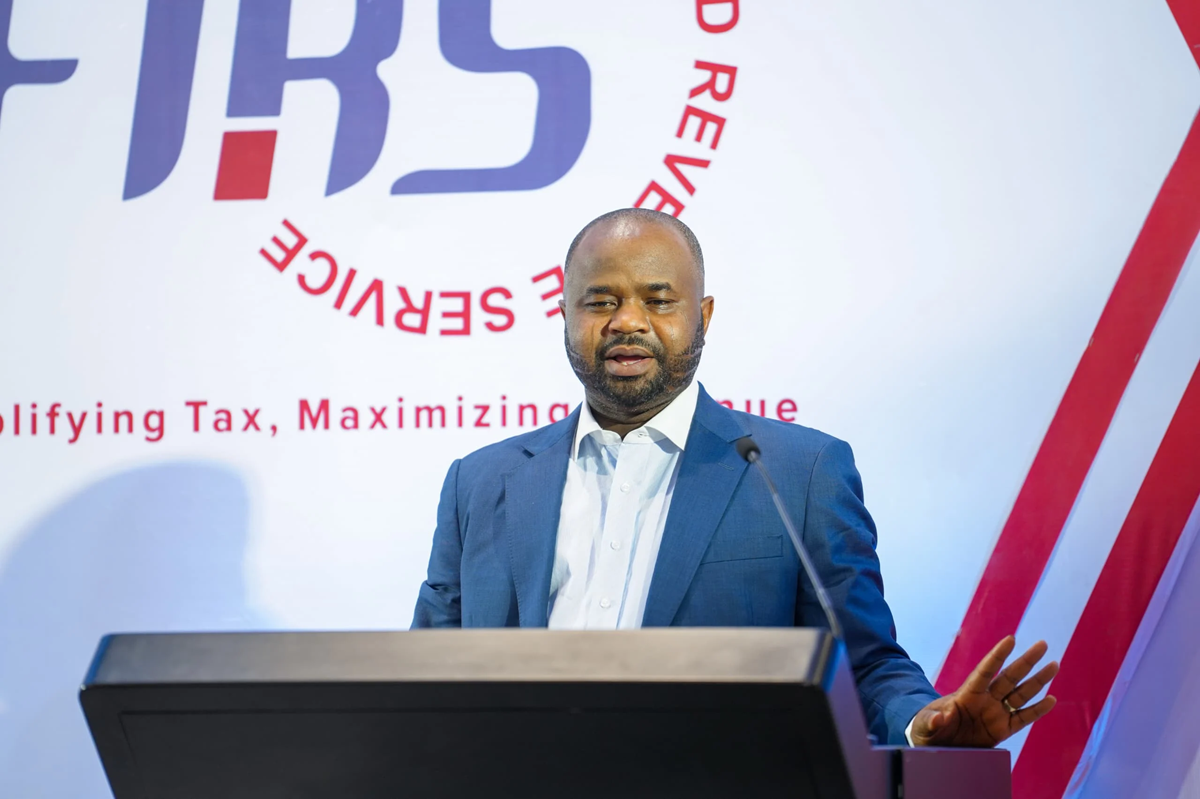
Nigeria’s Minister of Finance and Coordinating Minister of the Economy, Wale Edun, alongside the Executive Chairman of the Nigeria Revenue Service, Zacch Adedeji, and other African stakeholders, have called for sweeping tax and fiscal reforms to combat illicit financial flows and strengthen domestic resource mobilisation across the continent.
The leaders emphasized that improving tax administration and fiscal governance is essential for expanding government revenues, financing development priorities, and reducing dependence on external borrowing and aid.
Furthermore, they stressed that stronger financial systems would enhance economic resilience and accelerate sustainable growth across African economies.
Tackling Illicit Financial Flows
The stakeholders identified illicit financial flows as one of the major obstacles to Africa’s economic development, noting that billions of dollars are lost annually through tax evasion, illegal transactions, and other financial leakages.
They called for stronger regulatory frameworks, improved cross-border cooperation, and enhanced transparency to prevent revenue losses that undermine national development efforts.
In addition, they urged African governments to adopt modern technologies and data-driven systems that improve tax compliance and financial accountability.
Strengthening Domestic Revenue Generation
The participants emphasized that effective domestic resource mobilisation remains critical to financing infrastructure, healthcare, education, and other essential public services.
They noted that broadening the tax base, improving collection efficiency, and modernising tax administration would provide governments with sustainable revenue sources needed to support long-term economic transformation.
Moreover, stronger fiscal systems would enhance investor confidence while creating more stable environments for business and economic expansion.
Supporting Sustainable Economic Development
The call for tax and fiscal reforms aligns with broader efforts to build stronger and more self-reliant African economies capable of funding their own development priorities.
The stakeholders observed that efficient tax systems can promote inclusive growth by providing governments with the resources needed to invest in social services, infrastructure, and industrial development.
They also stressed the importance of collaboration among governments, financial institutions, and international partners in addressing common fiscal challenges across the continent.
Regional Cooperation Remains Essential
The leaders highlighted the need for greater cooperation among African countries in combating tax avoidance, improving information sharing, and harmonising fiscal policies where appropriate.
Such collaboration, they argued, would strengthen regional integration while reducing opportunities for illicit financial activities that deprive governments of critical revenue.
Enhanced cooperation is also expected to improve governance, accountability, and transparency within public financial management systems.
Building a Stronger Economic Future for Africa
The call by Wale Edun, Zacch Adedeji, and other African stakeholders underscores the growing recognition that effective tax and fiscal reforms are fundamental to sustainable economic development.
By strengthening domestic resource mobilisation and tackling illicit financial flows, African nations can generate the resources needed to finance development, improve public services, attract investment, and build more resilient economies capable of delivering prosperity for their citizens.