The Federal Executive Council has approved road infrastructure projects valued at approximately ₦2.078 trillion, clearing 23 major highway contracts across 10 states in one of the Federal Government’s largest investments in transportation infrastructure under the administration of President Bola Ahmed Tinubu.
The landmark approvals underscore the administration’s determination to modernise Nigeria’s road network, strengthen regional connectivity, facilitate commerce, and support long-term economic growth through sustained investment in critical infrastructure.
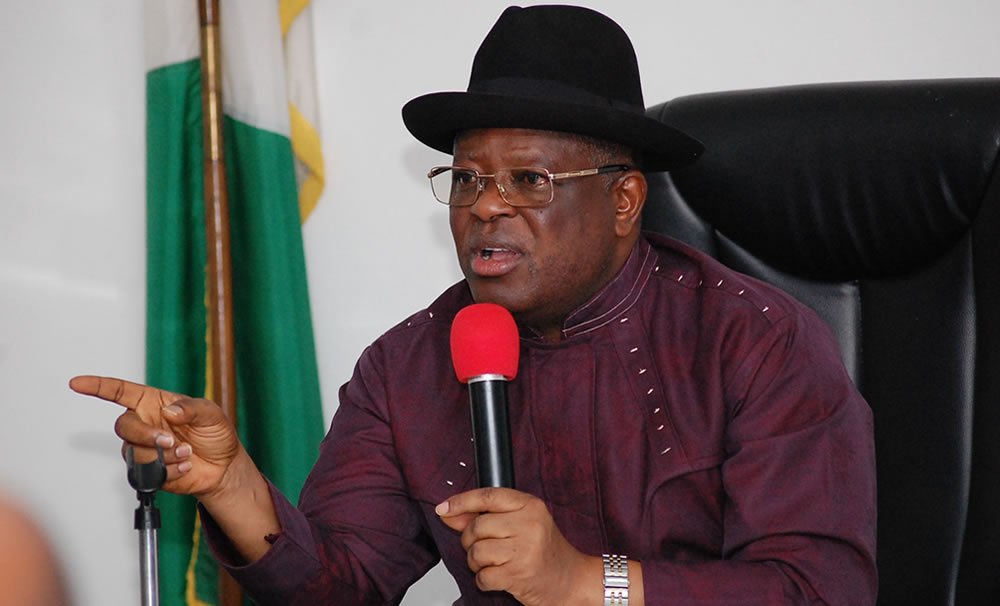
Minister of Works, David Umahi, announced the approvals while briefing journalists after the Federal Executive Council meeting held at the Presidential Villa, Abuja.
Furthermore, he explained that the projects form part of the administration’s broader strategy to bridge Nigeria’s infrastructure deficit while delivering safer, more durable highways across the country.
Infrastructure at the Heart of Economic Transformation
Road infrastructure remains one of the strongest pillars of national development because it connects communities, supports businesses, and drives economic activities.
Consequently, the Federal Government continues to prioritise investments that improve mobility while reducing transportation costs for businesses and individuals.
According to Umahi, the newly approved contracts demonstrate President Tinubu’s commitment to building infrastructure capable of supporting Nigeria’s growing economy for decades.
Furthermore, improved highways will strengthen interstate trade, facilitate agricultural distribution, and encourage greater private sector investment.
The minister noted that transportation infrastructure remains essential to achieving sustainable economic diversification.
Twenty-Three Strategic Projects Across Ten States
The approved contracts cover major highway projects spread across ten states, reflecting the Federal Government’s commitment to ensuring balanced infrastructure development nationwide.
Furthermore, the projects will improve connectivity between urban centres, industrial corridors, agricultural communities, and commercial hubs.
Several of the roads have experienced years of heavy traffic and deterioration, making rehabilitation and reconstruction necessary to restore safe and efficient transportation.
The Federal Government believes that upgrading these strategic corridors will significantly improve travel efficiency while reducing congestion and vehicle operating costs.
Boosting Economic Growth Through Better Roads
Quality transportation infrastructure creates opportunities far beyond improved mobility.
Efficient highways reduce logistics expenses, shorten delivery times, and improve access to markets for manufacturers, farmers, and traders.
Furthermore, businesses become more competitive when transportation networks operate efficiently.
The Federal Government expects the approved projects to stimulate commercial activities by making it easier to move raw materials, agricultural produce, and finished products across different regions.
Consequently, improved connectivity will strengthen supply chains while encouraging domestic and foreign investment.
Supporting Agriculture and Food Security
Agriculture remains one of the sectors expected to benefit significantly from the expanded road programme.
Farmers often face challenges transporting produce because of poor road conditions.
Furthermore, delays during transportation frequently contribute to post-harvest losses and increased food prices.
The approved projects will improve access to farming communities while connecting producers with processing centres and urban markets.
Better roads will therefore support the Federal Government’s food security agenda by strengthening agricultural value chains and reducing transportation bottlenecks.
Creating Employment and Expanding Local Economies
Large-scale infrastructure projects also generate substantial employment opportunities.
Thousands of engineers, surveyors, artisans, equipment operators, transport workers, suppliers, and technical professionals are expected to benefit during project implementation.
Furthermore, businesses operating around construction corridors will experience increased commercial activities as demand grows for accommodation, catering, logistics, building materials, and other support services.
These economic multiplier effects will strengthen local economies while creating additional income opportunities for surrounding communities.
Commitment to Quality and Timely Delivery
Umahi reaffirmed the Ministry of Works’ commitment to ensuring that every approved project meets the highest engineering standards.
Furthermore, the ministry will continue to monitor contractors closely to guarantee compliance with project specifications, timelines, and quality requirements.
He explained that regular supervision, transparent procurement processes, and strict contract management remain essential to delivering durable infrastructure that offers value for public resources.
The Federal Government also intends to sustain adequate funding to minimise unnecessary delays during construction.
Strengthening National Integration
Modern highways play an important role in promoting national unity by improving connectivity between regions.
Better transportation networks encourage trade, tourism, cultural exchange, and investment while enhancing access to healthcare, education, and other essential public services.
Furthermore, improved road infrastructure strengthens emergency response capabilities and supports national security by enabling faster movement across strategic corridors.
The approved projects therefore represent investments that extend beyond transportation alone.
Delivering the Renewed Hope Agenda
The Federal Government described the approvals as another major step toward implementing President Tinubu’s Renewed Hope Agenda.
Infrastructure development continues to receive priority because it serves as a catalyst for industrialisation, job creation, and inclusive economic growth.
Furthermore, sustained investment in roads complements ongoing reforms aimed at improving Nigeria’s business environment and enhancing national competitiveness.
According to the administration, modern infrastructure will continue to provide the foundation required for long-term prosperity.
Building Roads, Building Nigeria’s Future
The approval of 23 major road contracts worth about ₦2.078 trillion marks another significant milestone in the Federal Government’s infrastructure renewal programme.
Furthermore, the projects demonstrate President Bola Ahmed Tinubu’s determination to modernise Nigeria’s transportation network while expanding economic opportunities across the federation.
As construction begins across the beneficiary states, the projects are expected to improve connectivity, strengthen commerce, create employment, and enhance the daily lives of millions of Nigerians. Ultimately, the investments reaffirm the administration’s commitment to building durable infrastructure that supports sustainable development and drives the nation’s economic transformation.