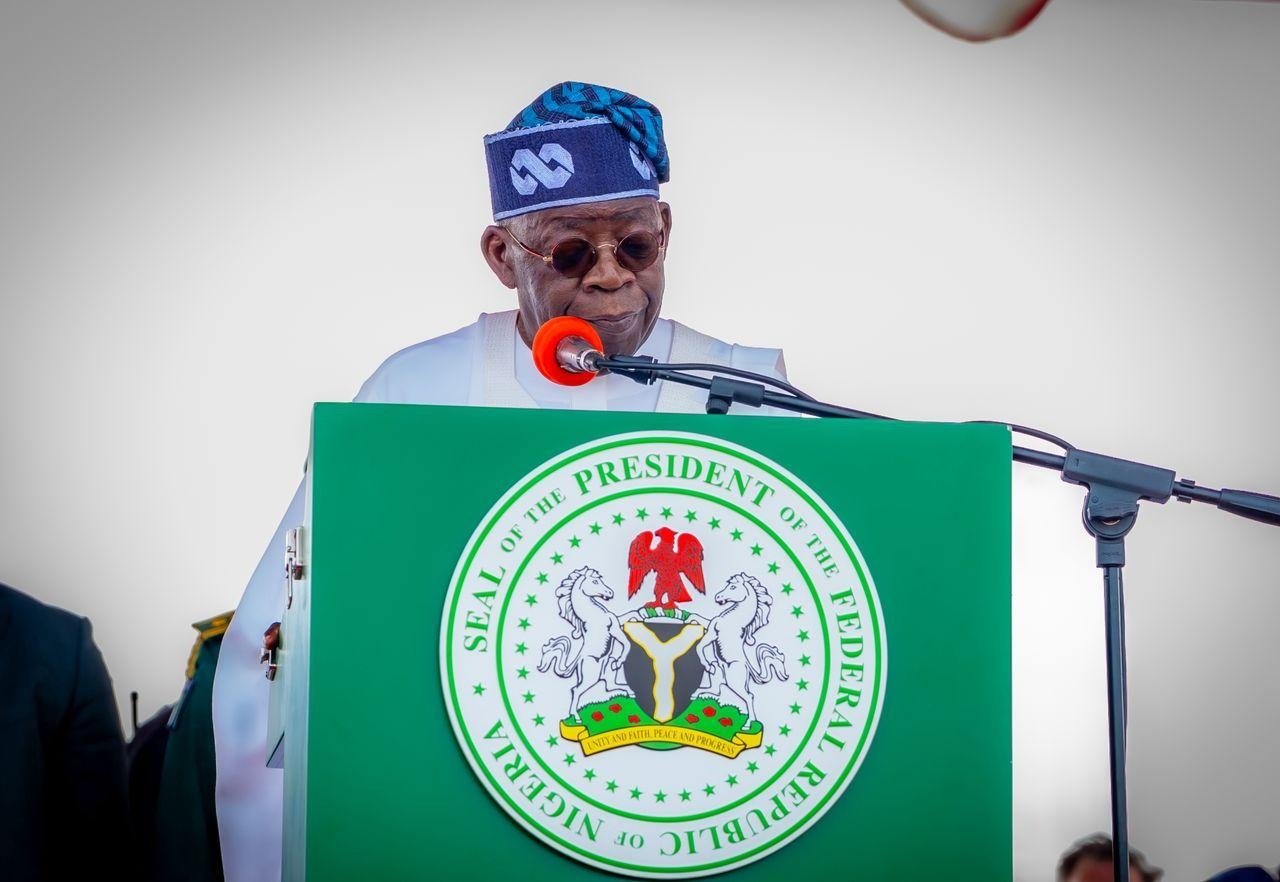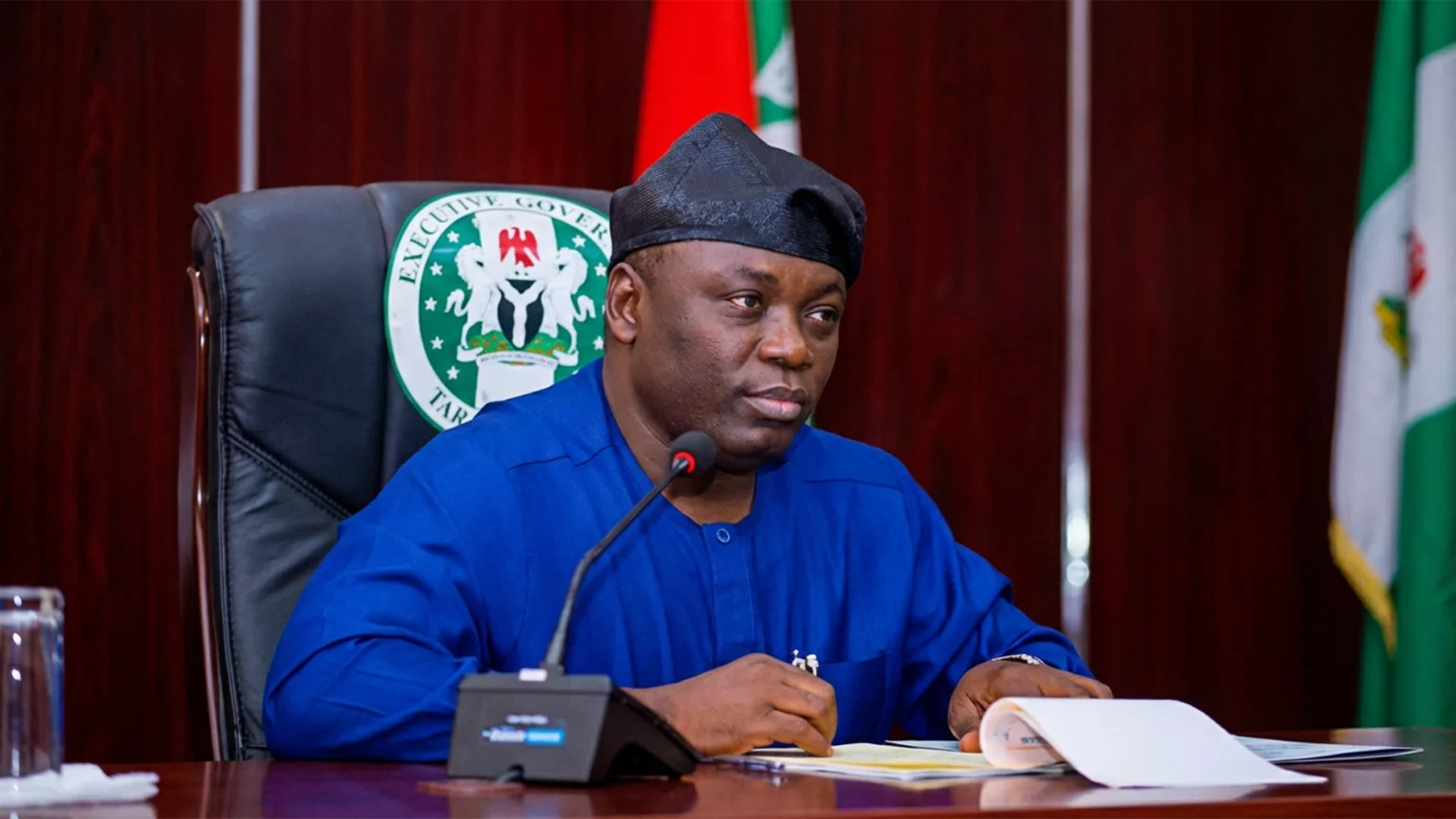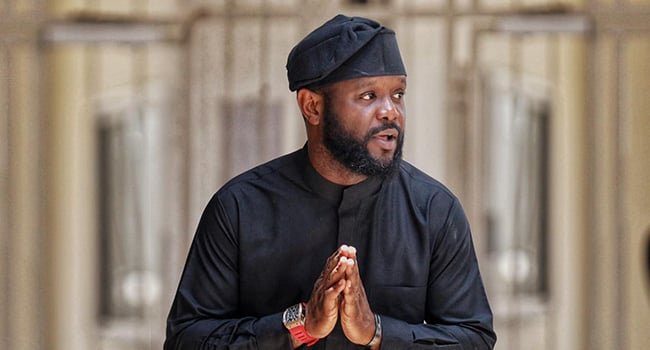
The push for greater support reflects growing recognition of Nigeria’s creative industry as an important contributor to employment, entrepreneurship, cultural promotion and economic diversification. From filmmaking and animation to photography, fashion, visual arts and digital content creation, young Nigerians continue to demonstrate their ability to produce work that attracts audiences at home and internationally.
However, despite the sector’s growing visibility, many emerging creatives still struggle to secure the funding, equipment, technical expertise and distribution opportunities needed to turn their talents into sustainable careers.
Seyi Tinubu advocacy for grants and increased support for young filmmakers and artists therefore places attention on one of the industry’s most persistent challenges: bridging the gap between creative talent and access to finance.
Grants Can Help Young Creatives Turn Ideas into Businesses
For emerging filmmakers and artists, access to funding often determines whether a promising idea progresses beyond the planning stage. Independent filmmakers, for instance, require resources for script development, casting, equipment rental, production, editing, sound design, marketing and distribution.
Similarly, visual artists need access to materials, studio facilities, exhibition spaces, digital tools and opportunities to promote their work. Without financial support, many talented individuals remain unable to develop projects to professional standards or reach wider audiences.
Grant programmes can help address these challenges by providing funding that does not necessarily require recipients to take on conventional commercial loans. Properly designed grants can support early-stage projects, encourage experimentation and give emerging professionals the opportunity to build portfolios.
For young filmmakers, such assistance could support short films, documentaries, animation, independent productions and other projects with the potential to showcase Nigerian stories and creative perspectives.
For artists, funding could provide access to materials, training, exhibitions, digital platforms and collaborative opportunities that improve their professional development.
Nigeria’s Creative Industry Offers Significant Economic Opportunities
Nigeria’s creative economy has expanded beyond entertainment and cultural expression to become an important source of employment and business opportunities.
The film industry, particularly Nollywood, has established a strong international presence, while Nigerian music, fashion, visual arts and digital content continue to attract audiences across different markets.
The sector also supports several connected businesses, including production companies, advertising agencies, event organisers, photography studios, equipment rental services, post-production facilities, distribution platforms and marketing firms.
This wider value chain means that investment in creative professionals can generate economic benefits beyond the individual beneficiaries.
When a filmmaker receives support to complete a production, for example, the project may create opportunities for actors, camera operators, editors, sound engineers, costume designers, transport providers and other service professionals.
Likewise, supporting visual artists can stimulate demand for creative materials, galleries, exhibitions, digital marketplaces and related services.
Consequently, expanding access to finance for young creatives can contribute to job creation, enterprise development and the growth of Nigeria’s cultural exports.
Existing Government Initiatives Provide a Foundation
The Federal Government has introduced programmes intended to improve access to finance and professional development across Nigeria’s creative economy.
One notable intervention is the Creative Economy Development Fund (CEDF), introduced through the Federal Ministry of Art, Culture, Tourism and the Creative Economy in 2025.
The fund was designed to provide financing opportunities for individuals, creative businesses and organisations operating across sectors such as film, music, fashion, visual arts, publishing, animation, gaming and cultural tourism.
Its financing structure includes grants, loans and equity-based investment, depending on the nature and requirements of eligible projects. It also recognises the potential value of intellectual property as an asset that can support access to finance.
The ministry has also introduced the Creative Leap Acceleration Program (CLAP), which focuses on skills development, mentorship, content distribution and access to funding for creative professionals.
These initiatives provide an existing framework that can complement wider calls for targeted support for young filmmakers and artists.
Funding Must Be Accompanied by Mentorship and Industry Access
Although financial grants can help creatives overcome initial funding challenges, money alone cannot guarantee the success of a project or business.
Young filmmakers and artists also need access to professional mentorship, technical training, industry networks and platforms through which they can distribute and commercialise their work.
For filmmakers, this includes training in cinematography, screenwriting, directing, editing, visual effects, sound production and copyright management. Artists also require opportunities to improve their techniques, understand the business side of their professions and connect with galleries, buyers and international creative platforms.
Mentorship can help beneficiaries avoid common production and business mistakes, while industry partnerships can expose them to experienced professionals who understand the requirements of the market.
A well-structured grant programme should therefore combine financial assistance with clear project milestones, professional guidance and opportunities for recipients to showcase completed work.
Transparent Selection Can Strengthen the Impact of Creative Grants
As interest in creative funding grows, transparency and accountability will remain essential to ensuring that assistance reaches deserving beneficiaries.
Grant programmes should establish clear eligibility requirements, application procedures and assessment criteria. Young creatives should understand the types of projects being supported, the documents required and the standards used to select beneficiaries.
Independent assessment panels involving experienced filmmakers, artists, producers, investors and other industry professionals could help ensure that funding decisions are based on project quality, originality, feasibility and potential impact.
There should also be clear monitoring arrangements to establish how funds are used and whether supported projects achieve their stated objectives.
Such measures would strengthen public confidence, reduce the risk of favouritism and encourage more emerging professionals to participate in formal funding opportunities.
Building a Sustainable Future for Nigeria’s Creative Talent
Seyi Tinubu’s emphasis on grants for young filmmakers and artists draws attention to the need for stronger financial support for Nigeria’s emerging creative professionals.
The country’s creative industry has demonstrated its capacity to tell compelling stories, promote cultural identity and create commercial opportunities. However, sustaining its growth will require more than individual talent and public recognition.
Young creatives need access to affordable finance, modern production equipment, professional training, intellectual property protection and reliable distribution channels. They also need opportunities to compete in international markets without losing the economic value of their work to inadequate local infrastructure.
A coordinated approach involving government agencies, private investors, financial institutions, creative associations and development partners could help establish a stronger funding environment.
Ultimately, investing in young filmmakers and artists is an investment in Nigeria’s cultural influence, entrepreneurial capacity and economic future. By expanding grant opportunities and connecting emerging talents with the resources needed to succeed, the country can create a more sustainable creative ecosystem capable of generating jobs, developing businesses and projecting Nigerian stories to the world.