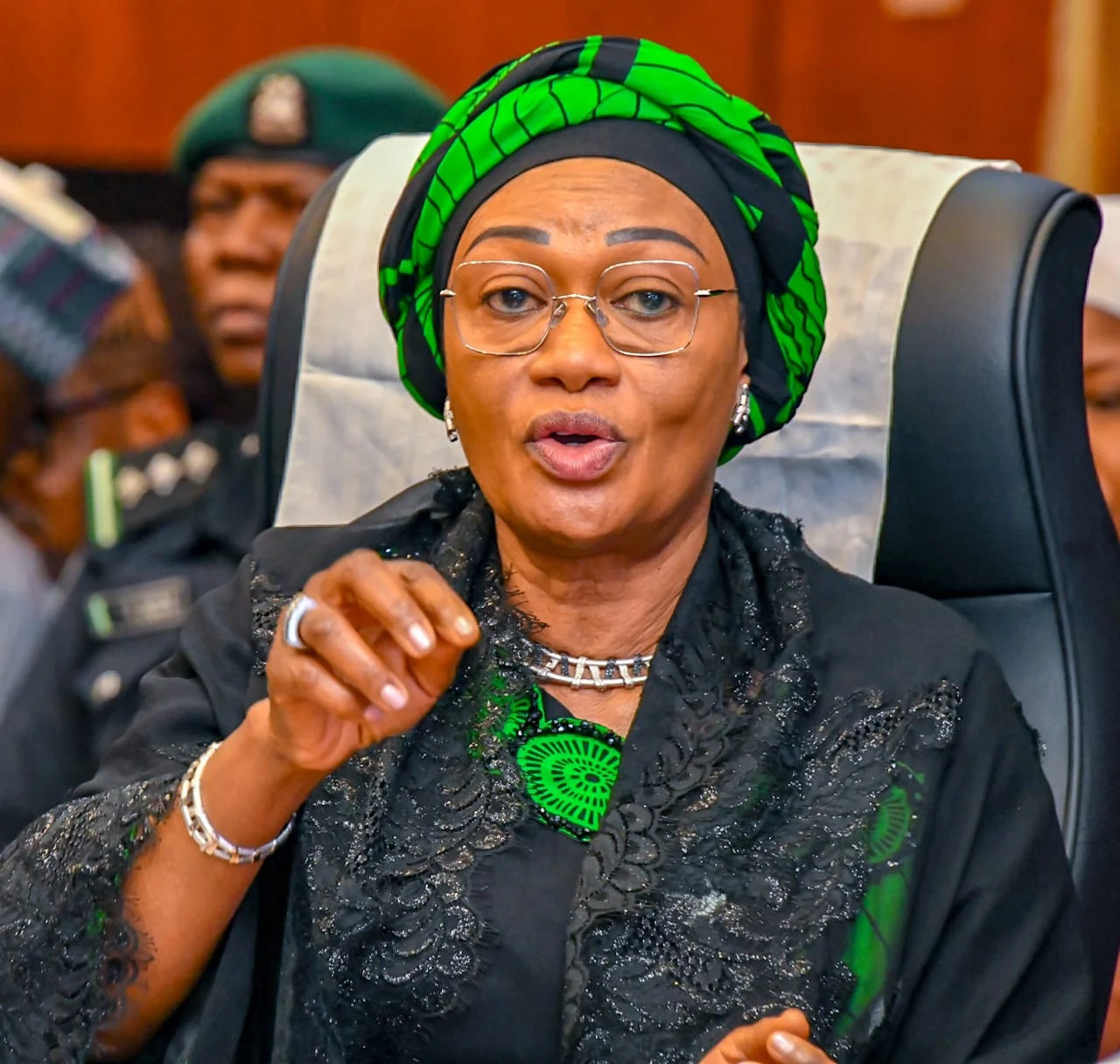
Nigeria’s First Lady, Senator Oluremi Tinubu, has urged young Nigerians, particularly Christian youths, to reject political thuggery and resist attempts by politicians to exploit them for selfish interests, calling for peace, religious tolerance and responsible participation ahead of the 2027 general elections.
The First Lady made the appeal on Saturday, November 7, 2026, during the 20th anniversary celebration of the Adamawa State Government House Chapel in Yola, where she was represented by the Deputy Governor of Adamawa State, Professor Kaletapwa Farauta.
She cautioned young people against becoming instruments of electoral violence, stressing that their energy and influence should contribute to peaceful democratic participation rather than political intimidation, violence and activities capable of threatening national stability.
According to her message, Nigerian youths have an important responsibility in shaping the country’s democratic future and should refuse to sacrifice their lives, opportunities and future for the ambitions of politicians.
She encouraged them to promote mutual respect, peaceful coexistence and tolerance, particularly as political activities intensify ahead of the next general election.
First Lady Warns Against Political Manipulation
Oluremi Tinubu’s message highlights growing concerns about the involvement of young people in electoral violence and the use of political thugs to intimidate opponents, disrupt campaigns and undermine democratic processes.
During election periods, unemployed and vulnerable youths can become targets of political recruitment, particularly when financial inducements, intimidation and religious or ethnic sentiments are used to mobilise support.
The First Lady urged young Nigerians to recognise such tactics and avoid allowing political actors to manipulate their identities, frustrations or economic circumstances.
Her appeal also places responsibility on political leaders to discourage violence and ensure that their supporters conduct themselves peacefully throughout the electoral process.
As political parties begin preparations for 2027, the challenge will be to create an environment where young people can participate in campaigns, debates, voter education and election monitoring without being drawn into criminal activities.
Adamawa Government House Chapel Marks 20 Years
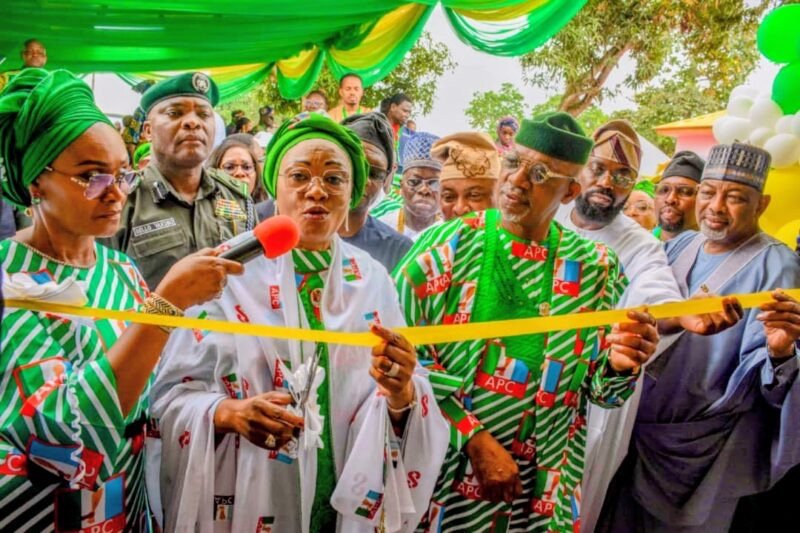
The First Lady’s message was delivered during the anniversary celebration of the Adamawa Government House Chapel, which brought together government officials, religious leaders, former political officeholders and members of the Christian community.
The event, themed “Thus Far the Lord Has Helped Us,” celebrated two decades of the chapel’s existence and provided an opportunity to reflect on its role in promoting Christian fellowship and religious inclusion within the state government.
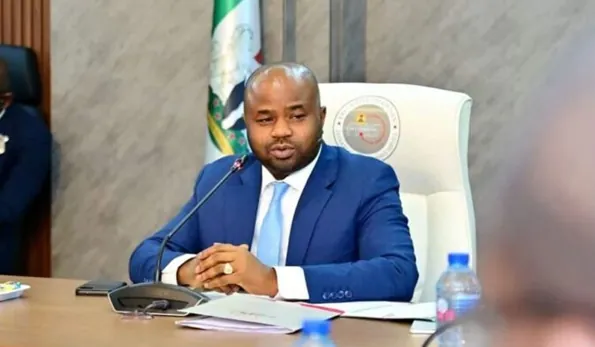
Deputy Governor Kaletapwa Farauta, who also represented Governor Ahmadu Umaru Fintiri, conveyed the governor’s message to the congregation.
Fintiri urged the chapel’s leadership to preserve its identity as a common spiritual platform for Christians across different denominations rather than allowing it to become associated with one particular church.
He emphasised that the facility should remain accessible to the wider Christian community and continue to promote unity, worship and peaceful coexistence.
The governor also called on residents to work together for the development of Adamawa State, irrespective of their religious, ethnic or political differences.
He maintained that the state’s progress depended on collective responsibility and the willingness of citizens to regard one another as members of the same community.
Chapel Founded on Religious Inclusion
Former Adamawa State Governor Boni Haruna provided historical context about the establishment of the Government House Chapel, explaining that it was constructed in 2005 to fulfil the original architectural design of the Government House complex.
According to him, the original plan provided for two places of worship: a mosque and a Christian chapel. The arrangement was intended to reflect religious equity and ensure that the complex accommodated the spiritual needs of people from different religious backgrounds.
Haruna explained that the chapel’s establishment addressed a historical imbalance and gave practical expression to the inclusive vision behind the Government House project.
He expressed hope that the facility would continue to serve as a symbol of unity, reminding successive administrations and residents that Adamawa belongs to everyone, regardless of religious affiliation.
His remarks reinforced the broader message of the anniversary: religious institutions should promote fellowship and understanding rather than deepen divisions among communities.
Boss Mustapha Calls for Unity and Responsible Leadership
Also speaking, Chairman of the Chapel’s Board of Trustees, Boss Mustapha, described the anniversary as a celebration of faith, perseverance, unity and gratitude.
He reflected on the circumstances surrounding the chapel’s establishment, noting that its completion represented a vision sustained through commitment and prayer.
Mustapha said the facility’s location within the seat of government carried an important message about the relationship between spirituality and public responsibility.
He urged its leadership to preserve the chapel’s ecumenical character while respecting religious diversity and constitutional freedoms.
He also stressed the importance of humility, accountability and moral discipline among public officeholders, noting that leadership should be guided by responsibility to the people.
Meanwhile, Adamawa State Chairman of the Christian Association of Nigeria, Reverend Joel Manzo, congratulated the chapel’s leadership and congregation on reaching the 20-year milestone.
Manzo clarified that the chapel was not established to compete with existing churches or replace their various denominations. Rather, it was designed to provide a shared platform for Christian worship and fellowship within the Government House community.
He encouraged Christian leaders to support the facility and ensure that denominational differences strengthened rather than weakened unity.
Religious Tolerance as a Foundation for Peaceful Elections
The First Lady’s warning against political thuggery comes amid wider efforts by religious and youth organisations to prevent electoral violence and strengthen relationships between Christian and Muslim communities.
Earlier in November, Christian and Muslim youth organisations signed a South-West Interreligious Peace Accord in Lagos, pledging to reject religious manipulation, hate speech and attempts by politicians to recruit young people for violence.
The agreement was facilitated by the Youth Wing of the Christian Association of Nigeria (YOWICAN) in collaboration with the National Council of Muslim Youth Organisations (NACOMYO).
Participants called for peaceful political participation and urged young Nigerians to accept electoral outcomes without resorting to violence.
The initiative also highlighted the need to extend peace education to schools, religious institutions, local governments and grassroots communities.
Such engagements are important because political disagreements can easily become sources of religious and ethnic tension when political actors exploit existing divisions.
Youth Participation Beyond Political Violence
Nigeria’s young population represents an important part of the country’s democratic and economic future. Their participation in elections should therefore extend beyond attending rallies or supporting political candidates.
Young people can contribute through voter education, policy discussions, community engagement, election observation and peaceful advocacy.
They also have a responsibility to demand accountability from political leaders and assess candidates based on their policies, records and capacity to address national challenges.
For political parties, the message is equally important. Youth mobilisation should focus on ideas, civic education and democratic participation rather than intimidation, violence or the exploitation of religious identities.
As the 2027 elections approach, the First Lady’s appeal adds to calls for a political environment in which Nigerians can express their preferences freely without fear.
Ultimately, peaceful elections require commitment from political leaders, security agencies, religious institutions and citizens. By urging young Nigerians to reject political thuggery and embrace tolerance, Oluremi Tinubu has reinforced the importance of protecting lives, preserving national unity and ensuring that political competition remains within democratic boundaries.