In Nigeria’s often turbulent political landscape, where disagreements frequently evolve into long-standing rivalries and personal animosity, examples of reconciliation and political maturity deserve recognition.
One such example can be found in the conduct and disposition of Hon. James Abiodun Faleke, a politician whose approach to public service continues to demonstrate the value of unity, loyalty and statesmanship.
Politics naturally involves competition, differing opinions and intense debates. However, the true test of leadership often lies not in moments of victory but in the ability to rise above differences for the greater good. This is where Faleke’s political journey offers valuable lessons.
Choosing Unity Over Division
Throughout Nigeria’s democratic history, political disagreements have sometimes created divisions that outlive the issues that originally caused them.
Many political actors find it difficult to move beyond past disputes. As a result, personal grievances occasionally overshadow broader developmental goals.
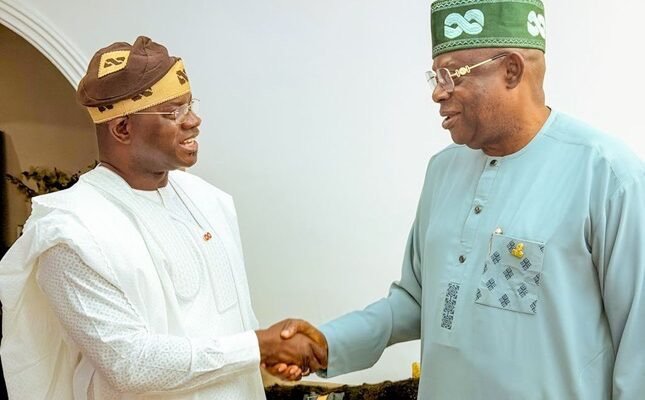
Faleke, however, has consistently demonstrated a willingness to place collective interests above personal considerations. Rather than allowing political setbacks or disagreements to define his future actions, he has repeatedly embraced reconciliation and cooperation.
This approach has earned him respect among political observers and supporters who believe leadership should focus on service rather than conflict.
The Importance of Political Maturity
Political maturity remains one of the most important qualities required for effective governance.
Leaders who possess this attribute understand that progress often requires compromise, collaboration and mutual respect. They recognize that sustainable development cannot thrive in an atmosphere of perpetual hostility.
Faleke’s conduct reflects this understanding. His ability to engage constructively with political stakeholders and remain committed to broader party and national objectives demonstrates a level of discipline that is increasingly important in modern politics.
Furthermore, such maturity contributes to political stability and strengthens democratic institutions.
A Commitment to Service
Beyond political considerations, Faleke has built a reputation around commitment to public service and grassroots engagement.
His supporters often point to his accessibility, consistency and dedication to the welfare of his constituents as evidence of his leadership philosophy.
Effective leadership requires more than political ambition. It requires a genuine desire to improve lives and create opportunities for communities.
Consequently, leaders who remain focused on service rather than personal disputes often achieve more meaningful and lasting impact.
Lessons for Emerging Leaders
The example set by Faleke offers valuable lessons for younger politicians and aspiring leaders.
Politics should not be viewed solely as a contest for power. Instead, it should be seen as a platform for solving problems, building consensus and advancing the public good.
Emerging leaders can learn the importance of patience, resilience and the ability to maintain relationships even during periods of disagreement.
Moreover, they can appreciate that political influence is strengthened, not weakened, by the willingness to embrace dialogue and reconciliation.
Strengthening Democratic Culture
Healthy democracies depend on leaders who understand the difference between political competition and personal hostility.
While disagreements are inevitable, they should not prevent cooperation on issues that affect citizens and national development.
By demonstrating political maturity and a commitment to unity, leaders contribute to a more stable and productive democratic environment.
Such conduct encourages constructive engagement, reduces tensions and creates conditions necessary for progress.
Looking Ahead
As Nigeria continues to strengthen its democratic institutions, examples of political maturity and reconciliation remain essential.
Hon. James Abiodun Faleke’s conduct serves as a reminder that leadership is not merely about winning political battles. It is also about fostering unity, building bridges and maintaining focus on the collective interest.
In an era where political tensions often dominate public discourse, such examples deserve recognition and reflection.
Ultimately, the future of Nigeria’s democracy will depend not only on strong institutions but also on leaders who possess the wisdom, discipline and maturity to place national progress above personal differences.