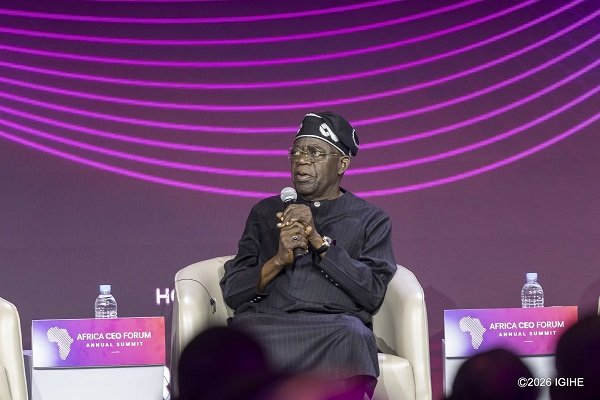
Bola Ahmed Tinubu has disclosed that Nigeria has attracted nearly $20 billion in foreign direct investments (FDIs) this year, signaling growing international investor confidence in the country’s economy and reform agenda.
The President made the disclosure while highlighting the administration’s ongoing efforts to reposition Nigeria as a competitive destination for global capital, industrial expansion, and long-term economic growth. Therefore, the announcement reflects increasing attention on investment-driven development and economic transformation within the country.
Foreign investment remains a critical driver of modern economic growth.
Why Foreign Direct Investment Matters
Foreign direct investment plays a major role in economic development.
FDIs often provide capital inflows, create jobs, support industrial expansion, improve infrastructure, and encourage technology transfer within developing economies. Therefore, attracting international investors remains strategically important for countries seeking sustainable growth.
Investment strengthens productivity.
When multinational companies and foreign investors commit resources to sectors such as manufacturing, energy, telecommunications, agriculture, and infrastructure, economic activities often expand significantly.
Strong investment inflows also improve business confidence.
Nigeria’s Growing Appeal to Investors
Nigeria remains one of Africa’s largest economies and consumer markets.
Its large population, expanding digital economy, natural resources, and strategic regional influence continue attracting attention from international investors and financial institutions. Therefore, recent investment inflows may reflect broader confidence in the country’s economic potential.
Nigeria offers opportunities across multiple sectors.
Energy, agriculture, technology, mining, manufacturing, transportation, and financial services continue presenting strong investment prospects for global businesses.
Economic reforms also influence investor decisions.
Tinubu Administration and Economic Reforms
The administration of Bola Ahmed Tinubu has consistently emphasized economic restructuring and investment attraction.
Policies involving fiscal reforms, infrastructure expansion, energy sector adjustments, and private sector participation continue forming part of the government’s broader economic agenda. Therefore, attracting nearly $20 billion in FDIs may be viewed as an indicator of growing international interest in Nigeria’s evolving economic environment.
Reforms often shape investor perception.
Stable policies, transparent regulations, and improved ease of doing business frequently encourage greater foreign participation within emerging markets.
Economic confidence depends partly on policy direction.
How Foreign Investments Support Job Creation
Investment inflows often generate employment opportunities.
New industries, factories, infrastructure projects, technology hubs, and service businesses typically require skilled and unskilled workers. Therefore, foreign investments may contribute significantly to reducing unemployment and expanding economic opportunities for Nigerians.
Industrial growth supports local economies.
When businesses expand operations, supporting industries involving logistics, construction, retail, and professional services often benefit as well.
Employment growth strengthens household incomes and productivity.
Infrastructure Development and Economic Expansion
Infrastructure remains central to investment attraction.
Road networks, ports, airports, electricity systems, railways, and digital connectivity significantly influence business operations and investor confidence. Therefore, continued infrastructure development remains essential for sustaining foreign investment momentum.
Investors prioritize stable operating environments.
Countries with reliable infrastructure and supportive policies generally attract stronger long-term investments and industrial partnerships.
Modern economies depend heavily on efficient infrastructure systems.
Technology and Nigeria’s Expanding Investment Landscape
Technology continues reshaping investment opportunities worldwide.
Nigeria’s startup ecosystem, fintech industry, digital commerce sector, and innovation-driven enterprises have increasingly attracted global attention. Therefore, technology-related investments continue contributing to the country’s growing foreign capital inflows.
Digital innovation supports economic diversification.
Technology startups often create jobs, encourage entrepreneurship, and improve access to financial and digital services.
Innovation ecosystems also attract venture capital and international partnerships.
The Importance of Economic Stability
Investors often assess economic stability carefully.
Inflation levels, exchange rate conditions, regulatory consistency, and political stability usually influence investment decisions. Therefore, maintaining macroeconomic stability remains important for sustaining investor confidence and attracting additional capital inflows.
Confidence strengthens long-term commitments.
Foreign investors generally prefer predictable economic environments capable of supporting sustainable returns and business expansion.
Economic management directly affects investment outcomes.
Challenges Facing Investment Growth
Despite positive investment signals, challenges remain.
Infrastructure gaps, energy costs, currency fluctuations, regulatory bottlenecks, and security concerns continue affecting business operations in parts of Nigeria. Therefore, continued reforms and institutional improvements remain necessary for sustaining investment momentum.
Competitive markets require continuous improvement.
Countries seeking global investments must consistently strengthen policy implementation, infrastructure quality, and business environments.
Nigeria’s Position Within Africa’s Economy
Nigeria continues playing a major role within Africa’s economic landscape.
As one of the continent’s largest markets, the country remains strategically important for regional trade, industrial growth, and investment activities. Therefore, strong FDI performance may reinforce Nigeria’s position as a key economic destination within Africa.
Regional influence attracts global attention.
International businesses often view Nigeria as an entry point into broader African markets.
Looking Ahead
Foreign investment may continue shaping Nigeria’s economic future.
As reforms, infrastructure projects, and digital transformation efforts continue, the country may attract additional international partnerships and industrial opportunities in the coming years.
Investment-driven growth will remain increasingly important.
Conclusion: Strengthening Nigeria’s Economic Future Through Investment
The disclosure by Bola Ahmed Tinubu that Nigeria has attracted nearly $20 billion in foreign direct investments this year reflects growing international interest in the country’s economic potential and reform agenda.
By encouraging investment, strengthening infrastructure, and promoting economic stability, Nigeria continues positioning itself as a major destination for global capital and industrial growth.
Ultimately, sustained investment inflows may help support job creation, technological advancement, infrastructure expansion, and long-term economic transformation across the country.