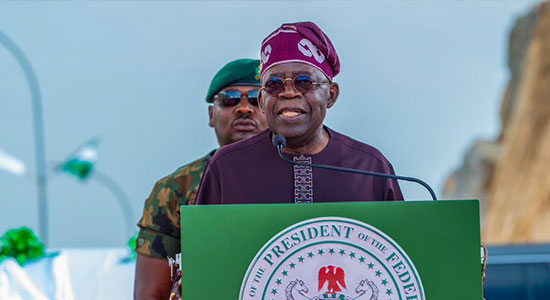
Nigeria’s ongoing tax reforms have entered a critical implementation phase as the Nigeria Revenue Service (NRS) intensifies efforts to mobilise stakeholders across all levels of government toward building a more efficient, transparent and sustainable tax administration system.
The renewed push reflects the country’s determination to strengthen domestic revenue generation while creating a tax framework that supports economic growth, encourages investment and improves public confidence in the nation’s fiscal institutions.
Furthermore, the reforms seek to simplify tax administration, reduce compliance challenges and promote greater collaboration between federal, state and local authorities.
Strengthening Revenue Administration
A modern tax system remains essential for sustainable national development.
Consequently, the NRS is working to improve operational efficiency through technology-driven solutions, stronger institutional coordination and enhanced taxpayer services.
These initiatives aim to simplify tax processes, improve compliance and reduce administrative bottlenecks that have historically affected revenue collection.
Moreover, a more efficient system will enable government institutions to generate the resources required to finance critical infrastructure and social services.
Promoting Transparency and Accountability
Transparency remains one of the central objectives of the ongoing reforms.
Therefore, the NRS continues to promote accountability through improved governance structures, digital platforms and stronger monitoring mechanisms.
By strengthening public trust in tax administration, the agency hopes to encourage voluntary compliance while reducing tax evasion and revenue leakages.
Additionally, transparent revenue management can improve investor confidence and strengthen Nigeria’s overall business environment.
Collaboration as a Key Driver
The success of tax reform depends largely on effective collaboration among government institutions, businesses and citizens.
Consequently, the NRS is expanding stakeholder engagement to ensure that reforms reflect the needs of taxpayers while supporting national development priorities.
Furthermore, partnerships with state governments, private-sector organizations and professional bodies can enhance policy implementation and strengthen institutional capacity.
Such cooperation will also promote consistency in tax administration across the country.
Supporting Economic Growth
A stronger tax administration system can contribute significantly to economic stability by providing reliable funding for development programmes.
In addition, improved revenue mobilisation can reduce dependence on volatile income sources while supporting investments in healthcare, education, security and infrastructure.
The reforms are therefore expected to strengthen fiscal sustainability and create a more resilient economy capable of meeting future challenges.
Looking Ahead
As Nigeria’s tax reforms move into a decisive implementation stage, sustained stakeholder engagement and institutional cooperation will remain essential to achieving long-term success.
With continued investment in technology, transparency and administrative efficiency, the Nigeria Revenue Service aims to build a modern tax system that supports inclusive growth and national development.
Ultimately, effective tax reform will not only strengthen government revenue but also contribute to a more competitive economy and improved public service delivery for all Nigerians.