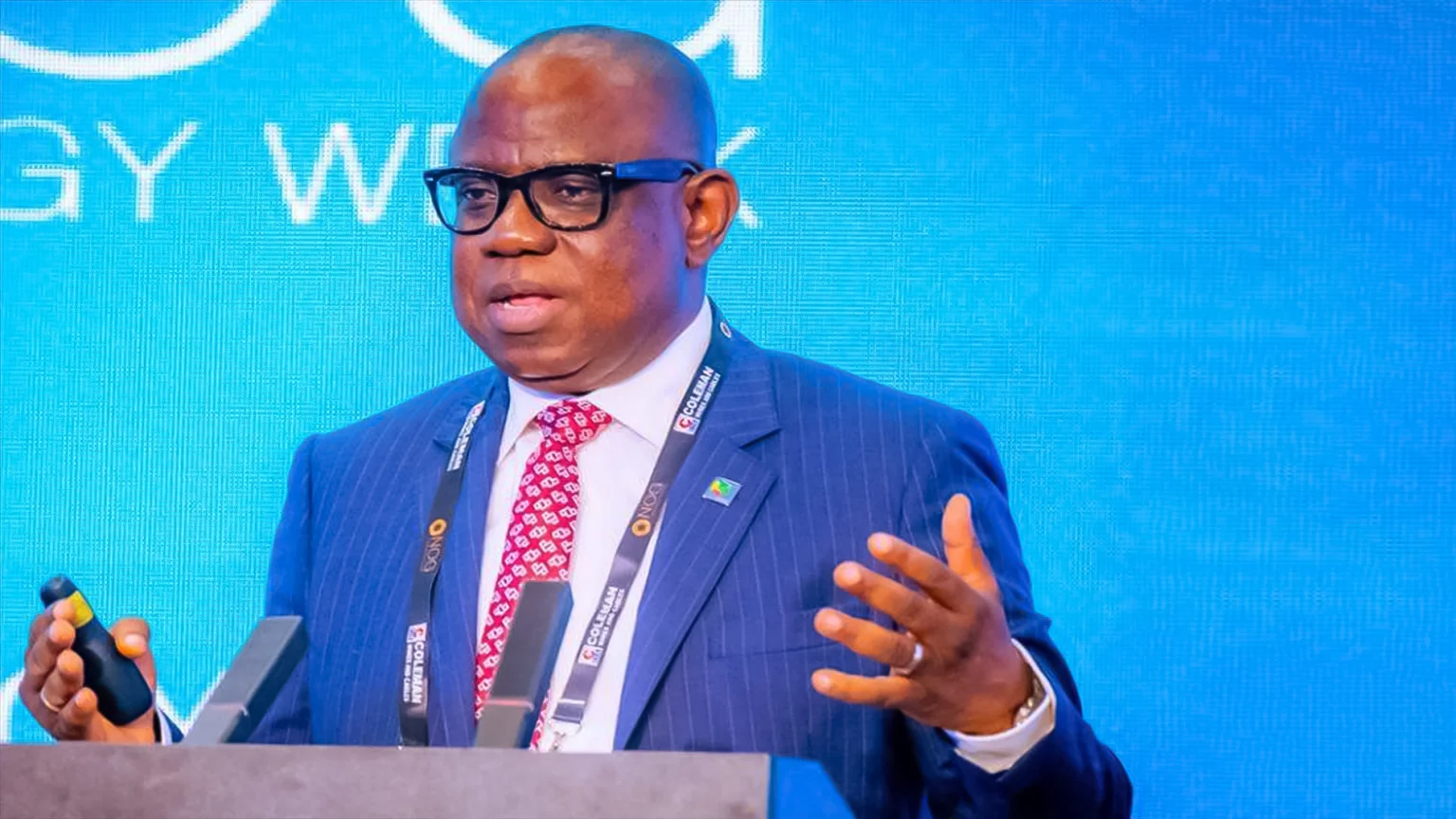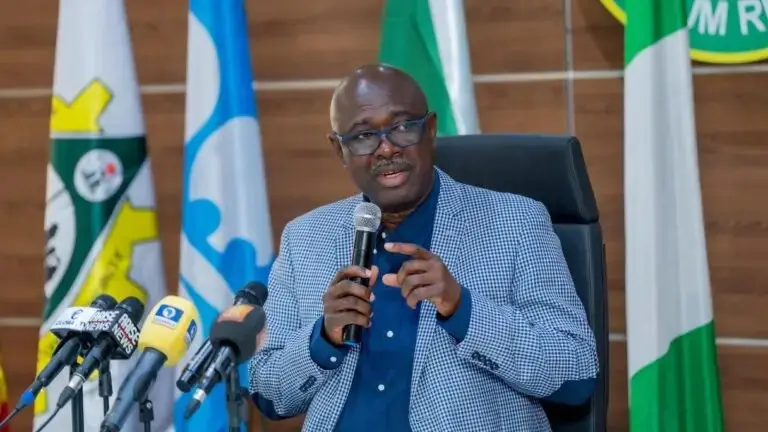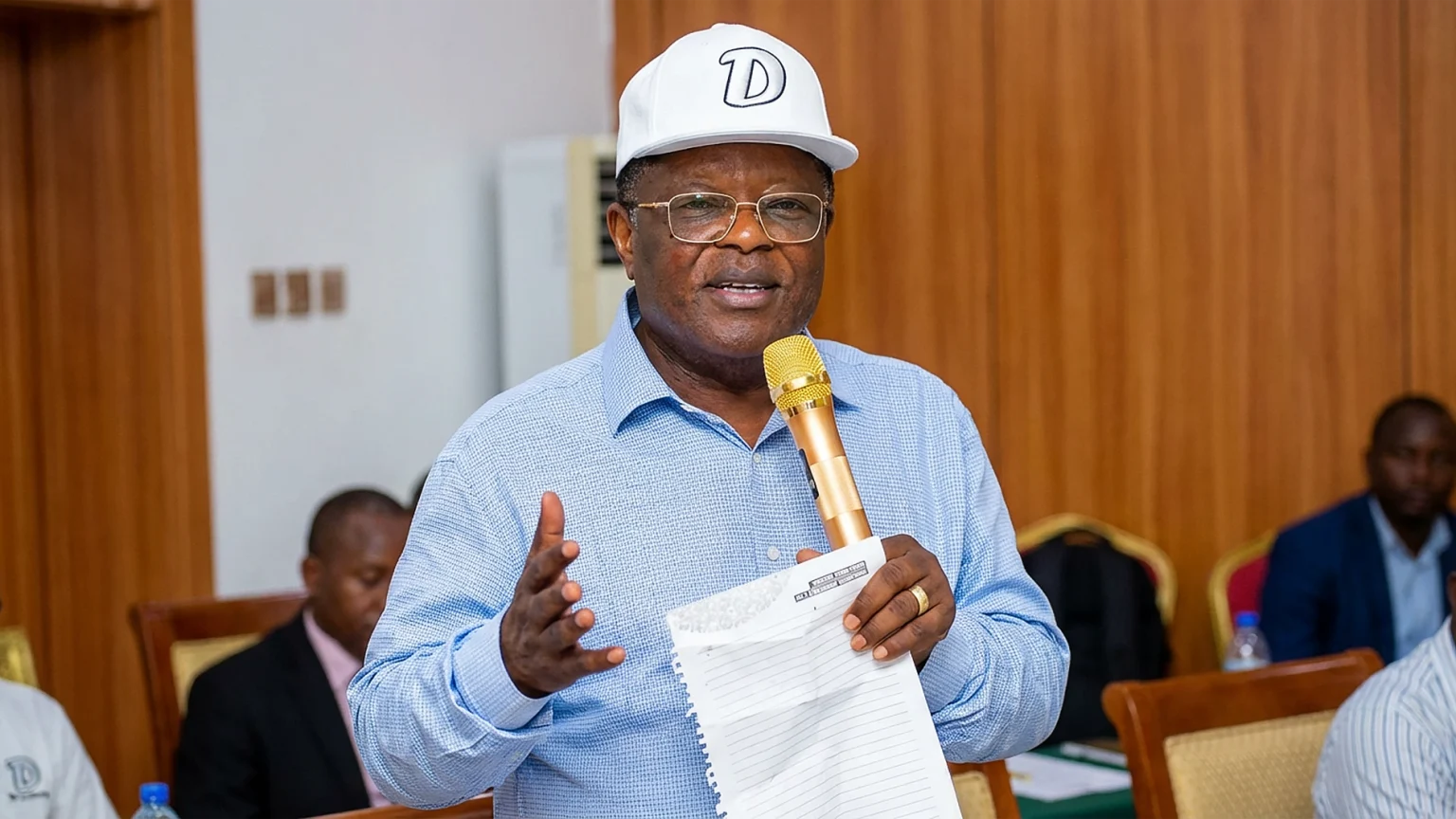
The Minister of Works, Senator Engr. David Umahi, has described President Bola Ahmed Tinubu’s four legacy road projects as a transformative national infrastructure network that will connect Nigeria’s six geopolitical zones, unlock economic opportunities, strengthen food security and accelerate regional integration.
According to the minister, the strategic road projects represent a major investment in the country’s future by improving connectivity, facilitating trade and supporting inclusive economic growth across every region.
Furthermore, he noted that the projects align with the administration’s commitment to delivering modern infrastructure that promotes national development and enhances the quality of life for citizens.
Connecting the Nation Through Infrastructure
Umahi explained that the legacy road projects have been carefully designed to improve transportation links between major economic corridors and underserved communities.
Consequently, the expanded road network will enhance the movement of people, agricultural produce and commercial goods while reducing travel time and transportation costs.
Moreover, improved connectivity will encourage stronger economic interaction among states and regions, creating new opportunities for investment and industrial expansion.
The minister stressed that efficient road infrastructure remains essential for national integration and sustainable development.
Unlocking Economic Opportunities
The projects are expected to stimulate economic activities across multiple sectors by improving access to markets and encouraging private-sector investment.
In addition, better transportation infrastructure will support businesses, create employment opportunities and strengthen supply chains across the country.
Farmers, manufacturers and traders are also expected to benefit from reduced logistics costs and improved access to domestic and regional markets.
Therefore, the legacy projects have the potential to become important drivers of long-term economic prosperity.
Supporting Food Security
Umahi emphasized that improved road infrastructure will play a significant role in enhancing food security by connecting farming communities to processing centres and urban markets.
As a result, agricultural products can reach consumers more efficiently, reducing post-harvest losses and improving the distribution of food across the country.
Furthermore, reliable transportation networks will encourage greater agricultural investment while supporting rural development and increased productivity.
These improvements are expected to strengthen Nigeria’s food supply chain and contribute to national economic resilience.
Advancing Regional Integration
The minister also highlighted the importance of the projects in promoting regional integration and national unity.
By linking communities across the six geopolitical zones, the road network will encourage commerce, tourism and cultural exchange while fostering stronger economic cooperation among different parts of the country.
Additionally, enhanced connectivity will support broader development initiatives aimed at creating a more integrated and competitive national economy.
Looking Ahead
Senator David Umahi expressed confidence that President Bola Ahmed Tinubu’s legacy road projects will reshape Nigeria’s transportation landscape and deliver lasting economic and social benefits.
As construction progresses, expectations remain high that the infrastructure network will improve mobility, stimulate investment, strengthen food security and promote balanced regional development.
Ultimately, sustained investment in strategic infrastructure will remain a key foundation for Nigeria’s long-term growth, national integration and economic transformation.