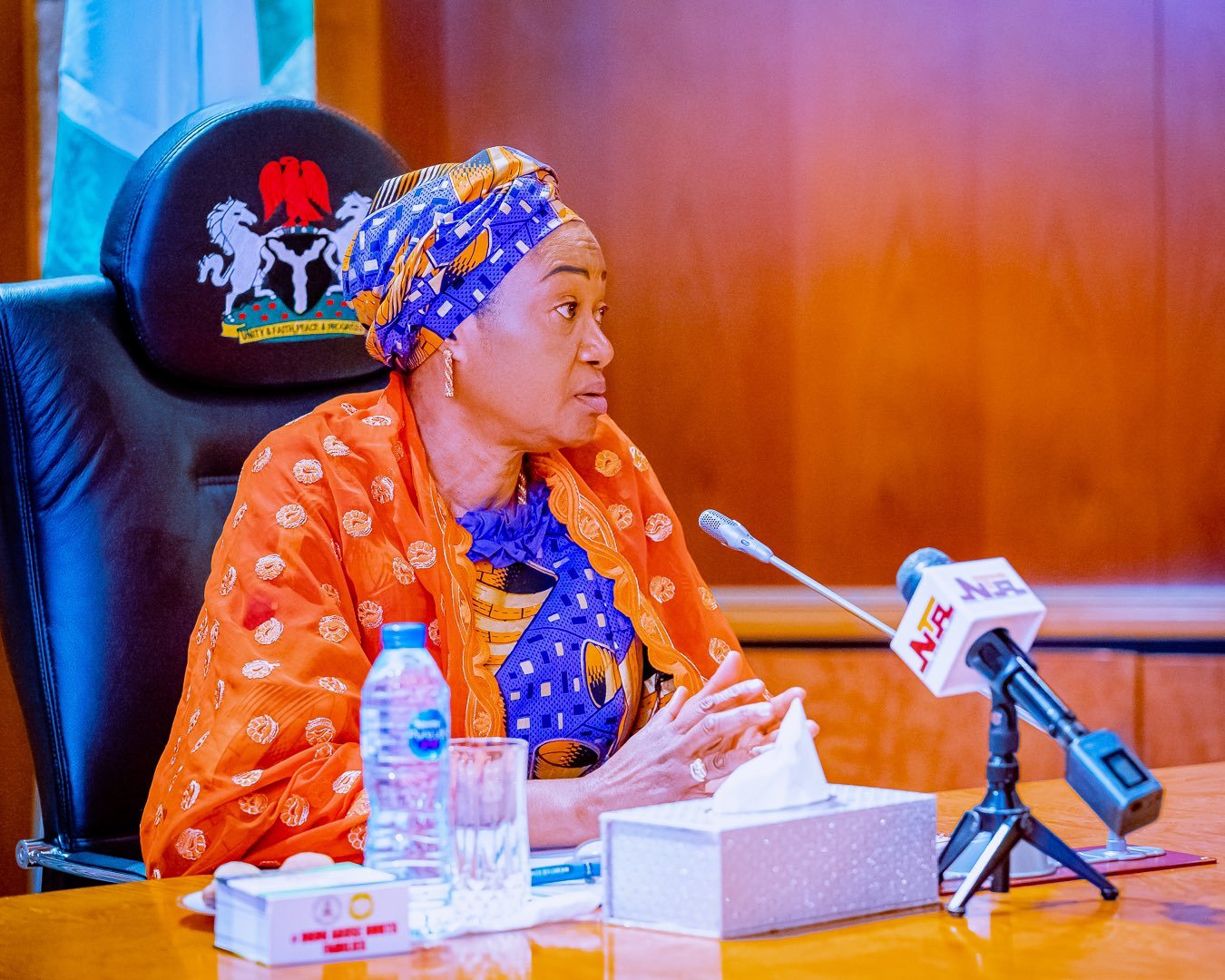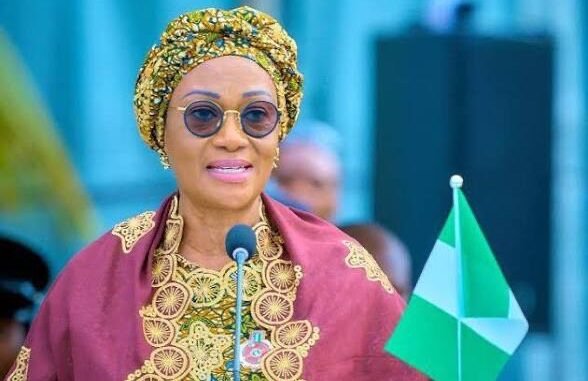
Nigeria’s First Lady, Senator Oluremi Tinubu, has reaffirmed the commitment of the present administration to investing in early childhood development, describing it as a critical foundation for building a healthier, more educated, and more prosperous nation.
She stressed that quality care, nutrition, healthcare, and education during the early years of a child’s life are essential for long-term human capital development and national progress.
Furthermore, the First Lady noted that sustained investment in children strengthens families, improves learning outcomes, and supports the country’s broader development objectives.
Prioritising Early Childhood Development
Senator Tinubu said the Federal Government recognises early childhood development as one of the most important investments any nation can make.
Furthermore, she explained that children who receive proper care, nutrition, and education during their formative years are more likely to become productive, healthy, and responsible citizens.
Early investment creates lifelong opportunities.
Improving Child Health and Nutrition
The First Lady emphasised that access to quality healthcare and adequate nutrition remains fundamental to the healthy growth of children.
Furthermore, she noted that programmes promoting maternal health, child immunisation, balanced nutrition, and preventive healthcare contribute significantly to reducing childhood illnesses and improving survival rates.
Healthy children build stronger communities.
Expanding Access to Quality Education
Senator Tinubu also highlighted the importance of early learning in preparing children for future academic success.
Furthermore, she said expanding access to quality early childhood education equips children with essential cognitive, social, and emotional skills that support lifelong learning and development.
Education remains the foundation of national progress.
Supporting Families and Communities
The First Lady explained that successful early childhood development requires collaboration between families, communities, educational institutions, healthcare providers, and government agencies.
Furthermore, she encouraged parents and caregivers to provide nurturing environments that support children’s physical, emotional, and intellectual growth.
Strong families strengthen society.
Building Human Capital
According to Senator Tinubu, investing in children contributes directly to Nigeria’s long-term economic and social development.
Furthermore, developing the nation’s youngest citizens creates a more skilled workforce, improves productivity, reduces poverty, and strengthens national competitiveness.
Human capital drives sustainable growth.
Strengthening Partnerships
The First Lady reaffirmed the importance of partnerships with development organisations, healthcare institutions, educational bodies, and private sector stakeholders.
Furthermore, coordinated efforts will help expand programmes that improve child welfare while ensuring greater access to essential services for children across the country.
Partnerships increase developmental impact.
Commitment to Inclusive Development
Senator Tinubu stated that the administration remains committed to ensuring that every Nigerian child has the opportunity to thrive regardless of background or location.
Furthermore, policies promoting healthcare, nutrition, education, and child protection will continue receiving attention as part of the government’s broader development agenda.
Inclusive policies create equal opportunities.
Securing Nigeria’s Future
The First Lady concluded that investing in early childhood development remains one of the most effective ways to secure Nigeria’s future.
Furthermore, by strengthening healthcare, nutrition, education, family support, and community-based interventions, the administration aims to raise a generation of healthy, educated, and productive citizens capable of driving sustainable national development for decades to come.