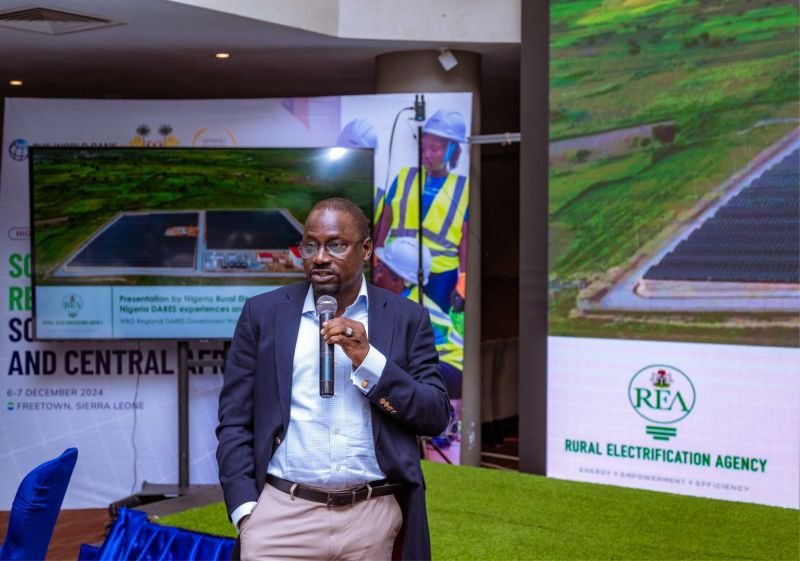
The Rural Electrification Agency (REA) has launched a new coordination forum in collaboration with development partners, industry groups and other key stakeholders to eliminate duplication, improve investment alignment and accelerate the development of Nigeria’s off-grid and clean energy ecosystem.
The initiative is designed to strengthen cooperation among organisations working to expand electricity access, encourage more strategic deployment of resources and improve the coordination of programmes supporting renewable energy development across the country.
As Nigeria continues to explore alternative solutions to persistent electricity access challenges, the forum is expected to provide a platform for stakeholders to share information, identify common priorities and coordinate interventions aimed at bringing reliable power to unserved and underserved communities.
Addressing Fragmentation in the Energy Sector
Nigeria’s off-grid energy ecosystem includes government agencies, renewable energy developers, commercial financiers, development institutions and industry associations. These organisations contribute to electricity access through different projects, funding arrangements and technical support programmes.
However, limited coordination can create challenges when several organisations pursue similar interventions without adequate information sharing. Such fragmentation may result in overlapping projects, inefficient resource allocation and missed opportunities to extend electricity access to communities with significant unmet needs.
The REA’s new coordination forum seeks to address these concerns by encouraging stakeholders to work within a more collaborative framework.
Through improved communication and information sharing, participants can identify areas where their programmes overlap, determine where additional support is needed and explore opportunities to combine resources.
A more coordinated approach could also help stakeholders avoid unnecessary duplication while ensuring that investments contribute to clearly defined electricity access objectives.
Improving Investment Alignment
Access to sustainable financing remains a major consideration for off-grid energy development. Mini-grids, solar home systems and other decentralised electricity solutions require capital for equipment, installation, distribution infrastructure and ongoing maintenance.
Public funding, private investment and development finance can each support these projects. However, the impact of available funding depends partly on how effectively investments are directed towards priority needs.
The coordination forum provides an opportunity for stakeholders to improve visibility into planned investments, identify potential financing gaps and explore partnerships that could strengthen project implementation.
Better investment alignment could also help developers understand where electricity access needs remain greatest and where existing infrastructure or programmes may provide opportunities for collaboration.
Nevertheless, improved coordination must be accompanied by transparent investment decisions, clear implementation responsibilities and mechanisms for measuring results.
Expanding Off-Grid Electricity Access
Off-grid electricity solutions remain an important option for communities that are not connected to the national grid or cannot obtain adequate power through existing infrastructure.
Mini-grids and standalone renewable energy systems can supply electricity to households, businesses, schools, healthcare facilities and agricultural enterprises. They can also support productive activities such as food processing, refrigeration, water pumping and small-scale manufacturing.
For rural communities, dependable electricity can improve access to essential services while creating opportunities for businesses to operate more efficiently.
However, the delivery of off-grid power involves challenges beyond initial construction. Developers must consider affordability, equipment reliability, maintenance, consumer demand and the financial sustainability of projects.
By bringing stakeholders together, the REA’s forum could help facilitate the exchange of experience and encourage coordinated responses to recurring implementation challenges.
Its impact will ultimately depend on whether discussions lead to practical solutions and faster delivery of reliable electricity services.
Strengthening Public-Private Collaboration
The initiative also highlights the importance of cooperation between public institutions, private-sector participants and development partners.
Government agencies can help establish policy direction and coordinate public programmes, while private developers contribute technical expertise and project delivery capacity. Financial institutions and development partners can provide capital, technical assistance and other forms of support.
Industry groups can also communicate the experiences of developers, identify regulatory or operational barriers and help ensure that sector-wide discussions reflect the realities of project implementation.
A shared coordination platform can improve the flow of information among these groups and create opportunities to address common challenges collectively.
For the arrangement to remain effective, however, stakeholders will need to establish clear priorities, maintain regular engagement and follow through on agreed actions.
Measuring Progress Beyond the Launch
The establishment of a coordination forum is an important organisational step, but its value will depend on the improvements it delivers across Nigeria’s clean energy sector.
Progress could be assessed through reduced duplication between programmes, better alignment of funding, improved project implementation and increased electricity access in underserved communities.
Other relevant measures include the reliability and affordability of electricity supplied, the sustainability of supported projects and the extent to which households and businesses benefit from new energy infrastructure.
Clear monitoring and reporting arrangements would help stakeholders determine whether the forum is delivering measurable improvements rather than simply providing another platform for discussion.
Engagement with communities will also remain essential to ensuring that investment decisions reflect local needs and that projects are designed around the conditions of intended beneficiaries.
A Coordinated Approach to Nigeria’s Energy Future
Nigeria’s efforts to expand electricity access require sustained investment, effective implementation and cooperation among the organisations responsible for delivering energy solutions.
By launching the new coordination forum, the Rural Electrification Agency and its partners are seeking to reduce fragmented interventions, improve investment alignment and strengthen the development of the country’s off-grid and clean energy ecosystem.
The initiative creates an opportunity for stakeholders to work towards shared priorities and make more effective use of available resources.
Ultimately, its success will be determined by whether stronger coordination translates into viable renewable energy projects, more reliable electricity supply and wider access for communities that remain underserved.