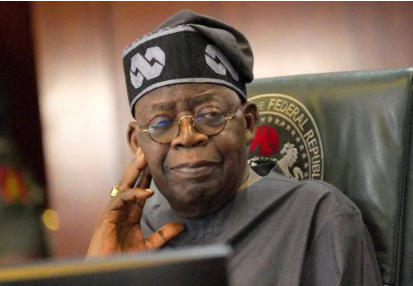
President Bola Ahmed Tinubu’s October 1, 2026, Independence Day broadcast offered an overview of Nigeria’s economic performance since he assumed office in May 2023, highlighting improvements in economic growth, inflation, foreign reserves and oil theft. The address presented the administration’s economic reforms as a foundation for a new phase focused on translating macroeconomic stability into shared prosperity.
Speaking on Nigeria’s 66th Independence Anniversary under the theme From Reforms to Prosperity, Tinubu said the economy had grown by more than 4 per cent in 2026, inflation had fallen substantially from its peak and oil theft had declined. He also cited improved foreign reserves, greater stability in the foreign exchange market and record non-oil export earnings exceeding $6 billion in 2025.
The figures point to changes in important areas of the economy. However, assessing the administration’s performance also requires examining the context behind the indicators and whether improvements in national statistics are translating into better living conditions for Nigerians.
Economic Growth Moves Above Four Per Cent
One of the major claims in Tinubu’s broadcast was that Nigeria’s economy had grown by more than 4 per cent in 2026, with contributions from both the oil and non-oil sectors.
Data from the National Bureau of Statistics supports the broad claim when the first half of the year is considered. Nigeria recorded real gross domestic product growth of 3.89 per cent in the first quarter and 4.43 per cent in the second quarter. Taken together, growth for the first six months was approximately 4.16 per cent compared with the corresponding period in 2025.
The distinction matters because economic growth is measured over specific periods. At the time of the Independence Day address, figures for the third and fourth quarters were not yet available, meaning the full-year growth rate could not be established.
Growth in the non-oil economy is particularly significant because it accounts for the overwhelming majority of Nigeria’s economic output. Agriculture, manufacturing, trade, telecommunications, financial services and other activities outside oil production all contribute to the country’s overall performance.
Nevertheless, an expanding economy does not automatically mean that every household is better off. The benefits of growth depend on the sectors generating it, the number and quality of jobs created, income growth and the distribution of economic opportunities.
For many Nigerians, the central question remains whether economic expansion will lead to more affordable goods, better employment prospects and improved purchasing power.
Inflation and the Cost of Living
Tinubu also highlighted the decline in inflation from the levels reached during the early years of his administration.
Inflation measures the rate at which prices rise over time. A reduction in the inflation rate means prices are increasing more slowly; it does not necessarily mean that food, transport, rent, electricity and other essential expenses have returned to their previous levels.
Nigeria experienced significant price pressures following major policy changes introduced in 2023, particularly the removal of the petrol subsidy and reforms to the foreign exchange market. Those measures were intended to address fiscal distortions and improve the functioning of the economy, but they also contributed to immediate cost pressures for households and businesses.
The subsequent movement in inflation therefore needs to be considered alongside the cumulative increase in prices since 2023.
Changes in how inflation is measured also matter when comparing recent figures with earlier periods. Africa Check’s review of the President’s Independence Day claims noted that part of the reported decline was associated with a change in the measurement of inflation. This does not mean the entire decline was artificial, but it makes consistent comparisons important.
For households, the practical test is whether wages and other income can keep pace with essential expenses. A lower inflation rate can provide some relief, but many families may continue to experience financial pressure when the overall cost of living remains high.
The administration’s challenge is therefore to sustain price stability while encouraging food production, reducing transportation and distribution costs, improving productivity and expanding employment opportunities.
Oil Theft and Nigeria’s Energy Sector
The President also reported a decline in oil theft, an issue that has affected Nigeria’s petroleum revenues and production capacity for years.
Oil theft, pipeline vandalism and related disruptions have historically reduced the volume of crude oil reaching export terminals and complicated efforts to increase production. They also impose security and environmental costs on oil-producing communities.
A sustained reduction in theft could help Nigeria improve crude oil deliveries, strengthen government revenue and create a more predictable environment for investment in the petroleum industry.
The protection of pipelines and other oil infrastructure has involved security agencies and private surveillance contractors operating in parts of the Niger Delta. However, assessing the effect of these interventions requires reliable production, export and theft data over time.
Higher oil production cannot automatically be attributed to a single intervention. Output can also be influenced by maintenance, investment, operational disruptions, technical capacity and changes in global market conditions.
Oil sector growth has also been uneven. While the sector expanded strongly in the second quarter of 2026, official figures showed a much weaker performance in the first quarter. This suggests that the broader direction of improvement should be assessed alongside the volatility that continues to affect oil production.
For Nigeria, the long-term objective is not simply to reduce theft but to establish more secure and efficient petroleum operations while strengthening environmental protection and economic opportunities for host communities.
Foreign Reserves and Exchange Rate Stability
Tinubu identified stronger foreign reserves and a more stable foreign exchange market as further signs of economic progress.
Foreign reserves help a country meet external obligations, support confidence in its ability to pay for imports and provide a buffer against external economic shocks. Exchange rate stability can also help businesses plan purchases, manage costs and make investment decisions.
However, the significance of these indicators depends on their durability and how improvements affect the wider economy.
Businesses that rely on imported machinery, raw materials and other inputs remain sensitive to exchange rate movements. A more predictable market can help them plan, but the cost of foreign currency and access to financing also influence their ability to expand.
Similarly, stronger reserves are important, but they do not independently guarantee lower prices or higher household incomes. Their benefits depend partly on broader fiscal and monetary conditions, domestic production and the capacity of businesses to create jobs.
The administration will therefore need to sustain the gains it has reported while ensuring that economic stability supports productive investment and greater opportunities across sectors.
Record Non-Oil Exports Signal Diversification
Another achievement cited in the broadcast was Nigeria’s record non-oil export earnings of more than $6 billion in 2025.
Non-oil exports are important because they can reduce the country’s dependence on crude oil as its principal source of foreign exchange. Expanding exports in agriculture, manufacturing and other industries can help Nigerian businesses reach international markets and develop more diversified revenue streams.
However, the long-term significance of export growth depends on whether it can be sustained and broadened. Exporters need reliable electricity, efficient ports, accessible financing, competitive production costs and predictable trade procedures.
Greater domestic processing of agricultural and mineral resources could also help businesses capture more value before products leave the country.
For export earnings to generate wider benefits, increased sales abroad must be accompanied by stronger domestic production, investment and employment. This is especially important for small and medium-sized enterprises seeking to compete in international markets.
From Macroeconomic Gains to Shared Prosperity
Tinubu’s address marked a shift in emphasis from stabilising the economy to making prosperity more widely felt. He identified lower living costs, productive employment, affordable transportation, improved access to education and reliable electricity as part of the broader economic ambition.
These priorities reflect the distinction between improving economic indicators and improving everyday living conditions.
A country can record stronger growth and improved reserves while households continue to struggle with food prices, transport expenses, housing costs and limited purchasing power. The challenge is to ensure that economic reforms produce benefits that extend beyond financial markets and government revenue figures.
That requires sustained attention to agriculture, infrastructure, electricity, industrial development, healthcare, education and employment. It also requires transparent public spending and credible data that allow Nigerians to assess whether promised improvements are being delivered.
Ultimately, Tinubu’s October 1 broadcast presented evidence of progress in several important macroeconomic areas, including growth above 4 per cent during the first half of 2026 and record non-oil export earnings in 2025. At the same time, the durability of these gains and their impact on household welfare remain central to evaluating the administration’s economic record.
The next phase will be measured not only by stronger national statistics but also by whether Nigerians experience more stable prices, better jobs, stronger incomes and greater confidence in their economic future.