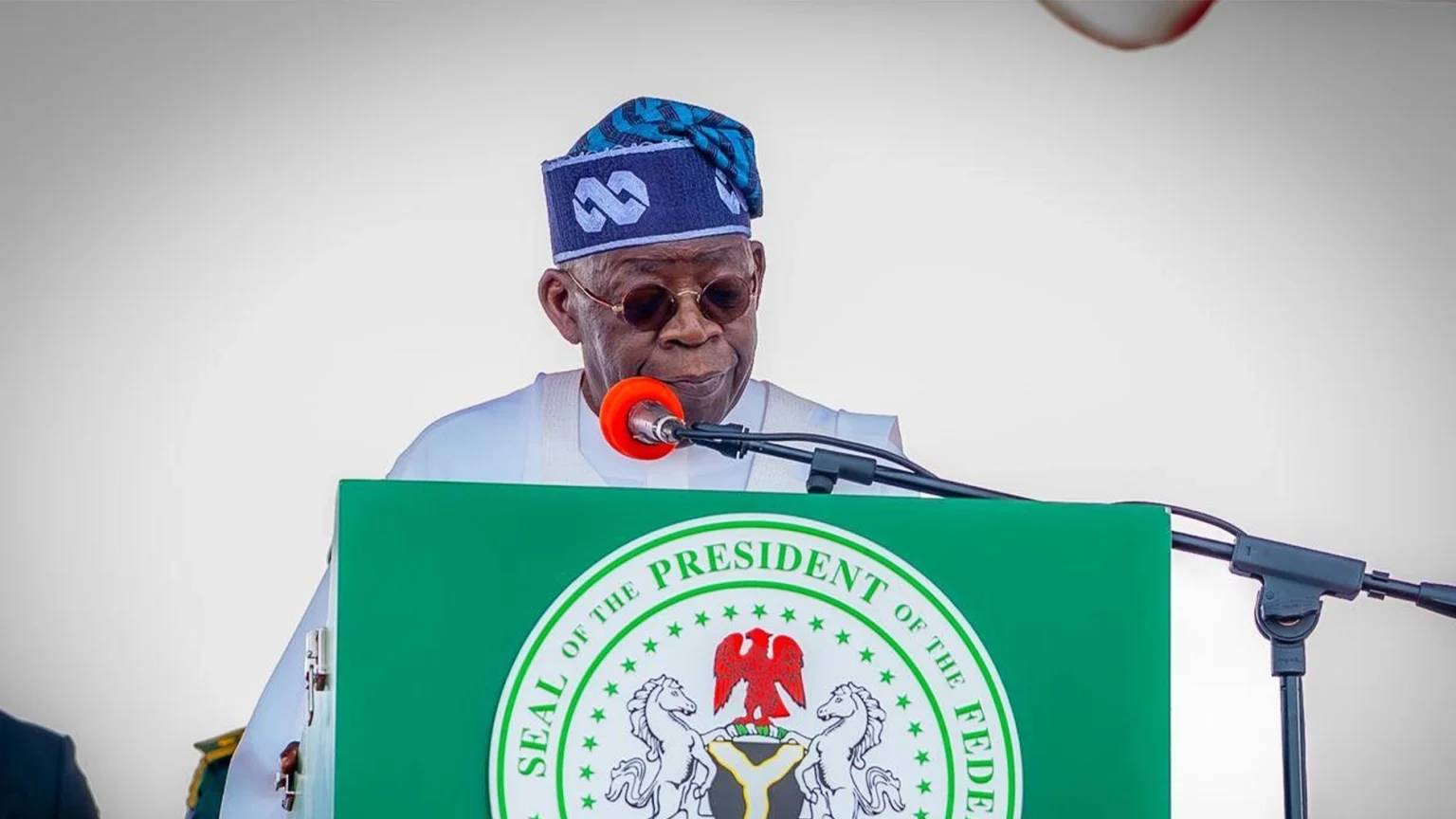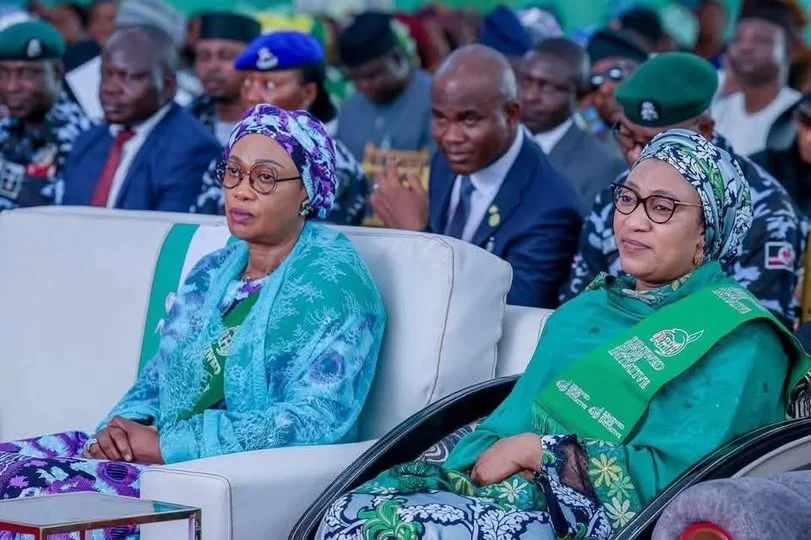
First Lady Senator Oluremi Tinubu and the wife of Vice President Kashim Shettima, Hajia Nana Shettima, have urged women across Nigeria to mobilise support for President Bola Tinubu, Vice President Kashim Shettima and other All Progressives Congress candidates ahead of the 2027 general elections. The appeal came during the inauguration of the APC Presidential Women Campaign Council, marking another phase in the party’s efforts to strengthen its women mobilisation structure nationwide.
Remi Tinubu Unveils Unified Women’s Campaign Structure
Speaking at the inauguration, Oluremi Tinubu announced that various women support groups previously operating under separate platforms had been brought together under the APC Presidential Women Campaign Council.
According to the First Lady, the unified structure would coordinate women’s mobilisation for APC candidates across the ballot, covering the presidency, governorships, National Assembly and state assembly elections.
She also announced plans for six zonal mega rallies, state-level campaigns and a grand finale in Abuja. The programme is intended to take the party’s mobilisation efforts beyond the Federal Capital Territory and into communities across the country.
Moreover, she urged women to return to their respective states and communicate the administration’s programmes and political message to voters at the grassroots.
First Lady Calls for Support for Tinubu’s Second Term
Oluremi Tinubu also called on women to support President Tinubu’s bid for a second term in 2027.
While addressing the gathering, she highlighted economic reforms and social programmes associated with the administration as reasons for continued support. She pointed to issues including inflation, foreign reserves, support for farmers and access to student loans through the Nigerian Education Loan Fund.
However, those claims form part of the administration’s political case for re-election and represent the campaign message being presented to voters.
The First Lady therefore urged the women to communicate that message within their communities and support APC candidates during the elections.
Nana Shettima Takes Mobilisation Message to the Grassroots
Meanwhile, Nana Shettima urged women from Nigeria’s six geopolitical zones to return to their communities and intensify mobilisation for the Tinubu-Shettima ticket.
She highlighted programmes associated with the Renewed Hope Initiative, including scholarships, women’s empowerment and support for older persons and people living with disabilities.
Nana Shettima described the 2027 election as an opportunity for beneficiaries of government programmes to support the administration at the polls.
Her appeal consequently placed considerable emphasis on translating national-level political mobilisation into community-level engagement.
APC Women Target Wards and Local Governments
Beyond the national leadership, APC women leaders also stressed the importance of grassroots organisation.
APC National Women Leader Mary Alile Idele called on women leaders to strengthen networks across wards, local government areas and communities. She also urged them to connect women with available empowerment opportunities and maintain regular engagement at the grassroots.
Similarly, Olufolake Abdulrazaq, wife of the Kwara State Governor and Chairperson of the Governors’ Spouses Forum, said APC women were prepared to mobilise across the states and geopolitical zones.
The involvement of women leaders at these different levels reflects the party’s attempt to create a coordinated structure that can operate from the national level down to local communities.
Campaign Structure Expands Ahead of 2027
The inauguration also signals a broader effort by the APC to organise its women supporters ahead of the 2027 elections.
The women’s mobilisation programme will combine zonal rallies, state-level activities and grassroots engagement.
In addition, the campaign council is expected to work with existing women leaders, support groups, professional associations, community representatives and other stakeholders.
Such an approach could give the party a more coordinated mechanism for communicating its campaign message across different constituencies.
At the same time, the effectiveness of the structure will depend on how it operates at the grassroots and how voters respond to the competing political messages presented during the election period.
Women’s Political Participation Takes Centre Stage
The mobilisation effort also places women’s political participation firmly within the 2027 campaign environment.
Women remain important participants in political organising, community mobilisation and election campaigns. Therefore, political parties and candidates frequently develop dedicated structures capable of engaging women across different communities.
For the APC, the new Presidential Women Campaign Council provides a central platform for coordinating those efforts.
Beyond voting, however, women’s participation can extend to campaign organisation, leadership, policy discussions, community outreach and election-related mobilisation.
From National Launch to Community Campaigns
The Abuja inauguration represents the beginning of a wider mobilisation exercise rather than its conclusion.
The planned zonal rallies and state-level activities will provide opportunities for the campaign structure to take its message directly to communities. Meanwhile, local women leaders will be expected to maintain engagement with voters within wards and local government areas.
Consequently, the coming months are likely to place greater emphasis on grassroots meetings, political outreach and communication of the APC’s campaign message.
For Oluremi Tinubu and Nana Shettima, the immediate objective is to build a coordinated women’s network capable of carrying the party’s message across Nigeria ahead of 2027.
Ultimately, the mobilisation remains part of a competitive electoral process in which voters will decide among candidates and political parties. The APC’s women campaign structure has now begun its work, while other parties and political groups are expected to continue developing their own strategies as the 2027 elections approach.