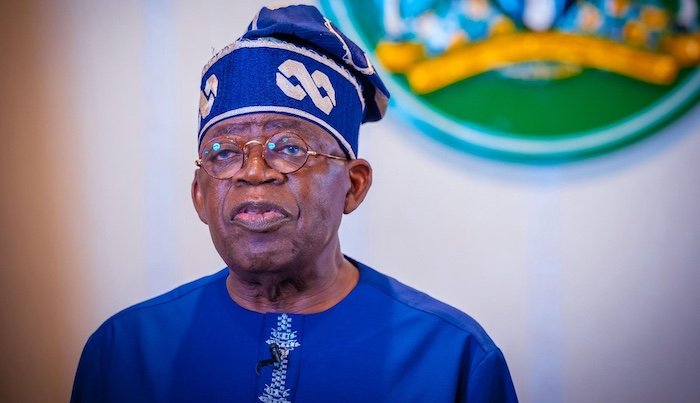
President Bola Tinubu has asked the National Assembly to approve the processing of external loans worth $20,517,755,901 and €1,045,083,643 under the 2026–2027 Supplementary External Borrowing Plan.
The request places a substantial external financing proposal before lawmakers, who will be expected to consider the proposed borrowing and determine whether it should proceed through the required approval process.
External borrowing remains an important financing option for governments seeking resources for development programmes, infrastructure and other public expenditure. However, loans also create repayment obligations that can affect future budgets, particularly when governments must meet debt-service commitments alongside spending on education, healthcare, security and social services.
Consequently, the proposed borrowing is likely to draw attention to both the projects the funds are intended to support and the government’s capacity to manage the resulting obligations.
National Assembly to Consider the Borrowing Request
Tinubu’s request seeks legislative approval for the processing of external loans under the supplementary borrowing plan covering 2026 and 2027.
The amounts specified in the request are $20.52 billion and €1.045 billion. Because the two figures are denominated in different currencies, their combined value in naira or another currency would depend on the applicable exchange rates.
The National Assembly’s consideration will be important in determining the next steps for the proposal. Lawmakers can examine the financing arrangements, the intended uses of the funds and the implications for Nigeria’s debt profile.
The distinction between approving the processing of loans and completing the borrowing itself is also significant. A request to begin or advance loan processing does not, by itself, establish that every proposed facility has been finalised, disbursed or converted into new public debt.
The precise terms, conditions and implementation arrangements will therefore matter as the proposal progresses.
Why External Borrowing Matters to Nigeria
Governments often seek external loans when projected revenue and available domestic financing are insufficient to cover planned expenditure. Such borrowing can provide access to substantial funding for projects that may require large upfront investments.
For Nigeria, the effectiveness of external borrowing depends heavily on how the money is used. Financing projects that improve transport, electricity, agriculture, healthcare or productive capacity could support economic activity and help create conditions for future revenue growth.
Similarly, investments that reduce business costs or improve public infrastructure may generate benefits beyond the immediate period of construction.
However, borrowing does not automatically produce economic growth. Projects must be properly selected, transparently procured, efficiently implemented and maintained after completion. Delays, cost overruns and poorly managed investments can weaken the benefits while leaving taxpayers responsible for repayment.
Therefore, the case for additional external financing should be assessed alongside the expected economic and social returns of the projects it supports.
Debt Sustainability Remains a Key Consideration
The proposed loan request also raises questions about Nigeria’s debt sustainability and its capacity to meet future repayment obligations.
External loans can expose a country to exchange-rate risks because repayments may be denominated in foreign currencies while much of the government’s revenue is collected in naira. If the naira depreciates significantly, the domestic-currency cost of servicing those obligations can rise.
Interest rates, repayment schedules, grace periods and other contractual conditions also influence the overall cost of borrowing. Concessional loans with favourable terms may place a different burden on public finances from commercial facilities carrying higher interest rates.
For that reason, the headline amounts alone do not provide a complete picture of the proposal’s fiscal implications. A thorough assessment would require details of the individual facilities, their maturities, interest rates, repayment schedules and intended uses.
Nigeria must also balance debt servicing with other expenditure priorities. As repayment obligations increase, governments may face difficult choices over how to allocate limited public resources.
Transparency and Project Selection Will Be Crucial
As lawmakers examine the request, transparency over the intended use of the funds will be essential.
The government can strengthen public confidence by clearly identifying the projects or programmes to be financed, explaining their expected benefits and publishing relevant information about loan terms and implementation arrangements.
Effective oversight should also continue after approval. Regular reporting on disbursements, project milestones, expenditure and outcomes can help establish whether borrowed funds are delivering the intended results.
In addition, independent monitoring and strong procurement safeguards can help limit waste and ensure that financing reaches its designated purposes.
These measures matter because the long-term value of borrowing depends not only on the availability of money but also on the quality of decisions made before and after the funds are released.
Balancing Development Financing With Fiscal Responsibility
The proposed $20.52 billion and €1.045 billion external borrowing plan places development financing and fiscal responsibility at the centre of the legislative discussion.
Supporters of external borrowing may point to the need for substantial investment in infrastructure and other priorities. However, scrutiny of the proposed facilities is necessary to establish whether their costs, conditions and expected returns are justified.
The National Assembly’s role will therefore extend beyond considering the headline amounts. Lawmakers will need to examine the purpose of the loans, the terms attached to them and the implications for public finances over the repayment period.
Ultimately, the success of the 2026–2027 Supplementary External Borrowing Plan will depend on whether the financing supports clearly defined priorities, produces measurable benefits and remains manageable within Nigeria’s fiscal position.
As the proposal proceeds through the approval process, the central issue will be how the government can mobilise resources for national development while maintaining transparency, accountability and a sustainable approach to public debt.