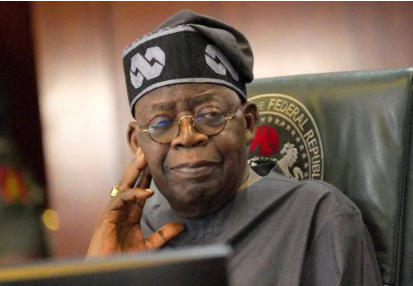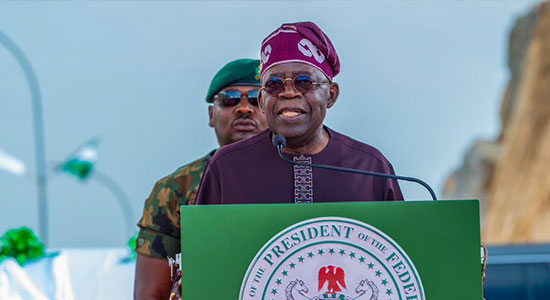
There are strong indications that President Bola Ahmed Tinubu will imminently sign the ₦68.323 trillion 2026 budget into law. This move represents the final stage in the budget process and signals readiness for full fiscal implementation.
Once signed, the budget will provide the financial framework for government activities in 2026. It will also guide spending priorities across key sectors of the economy.
A Budget Focused on Growth and Stability
The 2026 appropriation reflects the administration’s commitment to economic growth, infrastructure development, and social investment. It outlines allocations for critical sectors such as power, transportation, healthcare, education, and security.
Moreover, the budget aims to strengthen macroeconomic stability. By directing funds toward productive sectors, the government seeks to stimulate economic expansion and create jobs.
In addition, the fiscal plan supports ongoing reforms designed to improve revenue generation and reduce inefficiencies.
Boosting Investor and Public Confidence
The imminent signing of the budget sends a strong signal to investors and stakeholders. Timely budget approval enhances confidence in government planning and execution.
When fiscal policies remain predictable, businesses can plan more effectively. Consequently, investor interest often increases, especially in sectors targeted for development.
Furthermore, early implementation allows ministries and agencies to begin projects without delay. This approach improves efficiency and accelerates national development goals.
Strengthening Governance and Accountability
The budget also reinforces accountability within government institutions. Clear allocations and spending plans enable better monitoring and evaluation of projects.
President Bola Ahmed Tinubu has consistently emphasized transparency in public finance. Therefore, the 2026 budget is expected to align with those principles.
Agencies will be required to adhere strictly to approved spending frameworks. This discipline ensures that resources are used effectively and responsibly.
Looking Ahead
As the signing approaches, attention will shift toward implementation. The success of the budget depends not only on approval but also on execution.
Government institutions must deliver projects on time and within budget. At the same time, oversight bodies will monitor progress to ensure compliance.
Ultimately, the ₦68.323 trillion budget represents a significant opportunity to drive economic growth, improve infrastructure, and enhance the quality of life for Nigerians.
With decisive leadership and effective implementation, the 2026 fiscal plan could play a key role in shaping Nigeria’s economic trajectory.