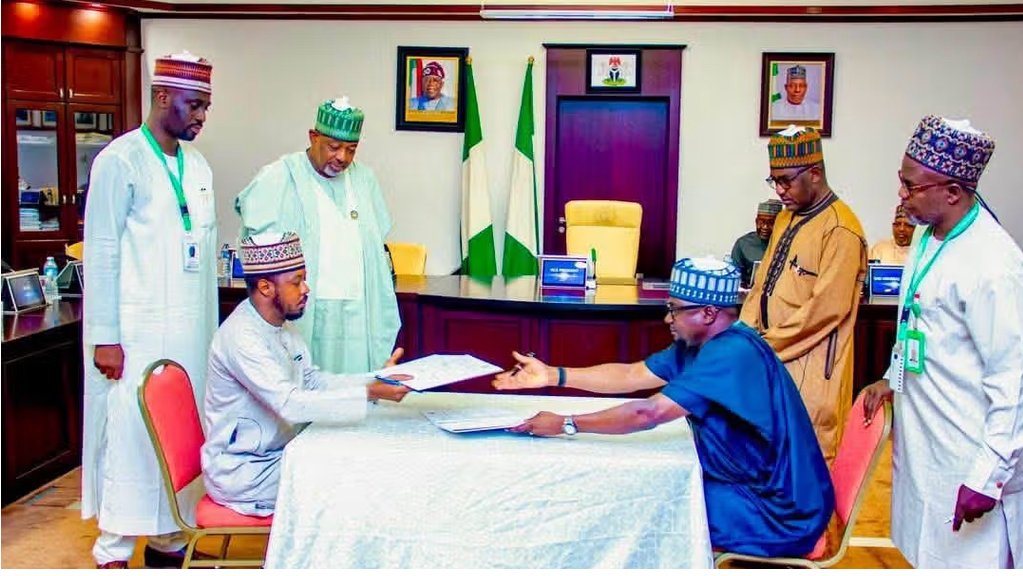
President of Nigeria, has been urged to fast-track the commencement of the proposed University of Maritime Studies, Oron (UMSO), as stakeholders continue emphasizing the importance of the institution in unlocking the nation’s blue economy potential.
The call reflects growing interest in expanding maritime education, developing skilled manpower, and strengthening Nigeria’s position within the global maritime and ocean-based economy. Therefore, advocates believe the institution could contribute significantly to economic diversification and maritime sector development.
The blue economy remains increasingly important globally.
What the Blue Economy Means
The blue economy refers to economic activities connected to oceans, seas, rivers, ports, and marine resources.
It often includes shipping, fisheries, marine transportation, offshore energy, tourism, maritime logistics, and coastal development. Therefore, countries with strong maritime sectors frequently invest heavily in education and infrastructure supporting ocean-based industries.
Marine industries support economic growth.
Maritime activities frequently contribute significantly to trade, employment, and national revenue.
Coastal economies create opportunities.
Why Maritime Education Matters
Maritime education remains essential for developing skilled professionals.
Shipping operations, marine engineering, logistics management, navigation, port administration, and ocean-related industries often require highly trained personnel. Therefore, specialized institutions may strengthen technical capacity within the sector.
Education supports industrial development.
Training institutions frequently improve workforce quality and innovation capacity.
Skills strengthen competitiveness.
The Importance of the University of Maritime Studies, Oron
The proposed University of Maritime Studies, Oron aims to support maritime education and research.
Stakeholders believe the institution could provide specialized training and academic programmes focused on marine transportation, shipping management, logistics, and blue economy development. Therefore, the university may help position Nigeria more competitively within global maritime industries.
Specialized education strengthens sectors.
Maritime universities frequently support innovation, research, and workforce development.
Knowledge drives industry growth.
Nigeria’s Maritime Potential
Nigeria possesses significant maritime advantages.
The country’s coastline, ports, waterways, shipping activities, and strategic position within West Africa create substantial opportunities for trade and marine economic development. Therefore, strengthening maritime institutions may help maximize these advantages.
Ports support regional commerce.
Marine transportation frequently influences trade and industrial productivity.
Strategic geography creates opportunities.
Tinubu Administration and Economic Diversification
Bola Ahmed Tinubu has continued emphasizing economic diversification and infrastructure development.
The administration’s broader economic agenda includes efforts aimed at expanding non-oil sectors, attracting investment, and strengthening industrial productivity. Therefore, stakeholders view maritime education as an important part of long-term diversification efforts.
Diversification supports economic resilience.
Emerging sectors frequently create new employment and investment opportunities.
Growth requires sector expansion.
The Role of Maritime Institutions in National Development
Maritime institutions often contribute beyond education alone.
Research centres, innovation hubs, and training programmes linked to maritime universities frequently support policy development, industry standards, and technological advancement within ocean-based industries. Therefore, specialized institutions may strengthen national maritime capacity.
Research improves sector efficiency.
Innovation frequently supports transportation and logistics modernization.
Institutions shape industry development.
Employment Opportunities Within the Blue Economy
The maritime sector can generate significant employment opportunities.
Shipping companies, ports, marine engineering firms, logistics providers, fisheries operations, and coastal industries often require skilled workers across multiple disciplines. Therefore, maritime education may support job creation and youth empowerment.
Marine industries support workforce growth.
Skills training frequently improves employability and entrepreneurship opportunities.
Economic sectors depend on human capital.
Global Competition in Maritime Trade
Countries worldwide continue investing in maritime infrastructure and education.
Global trade frequently depends on shipping and marine logistics systems connecting international markets. Therefore, nations seeking stronger economic competitiveness often prioritize maritime sector development.
Shipping drives global commerce.
Modern maritime systems frequently improve trade efficiency and economic integration.
Competitiveness requires strategic investment.
Infrastructure and the Blue Economy
The blue economy also depends heavily on infrastructure.
Ports, shipyards, transportation systems, coastal facilities, and maritime institutions frequently determine how effectively countries utilize marine resources. Therefore, education and infrastructure development often work together in strengthening maritime sectors.
Infrastructure supports trade growth.
Modern ports and logistics systems frequently attract investment opportunities.
Development requires integrated planning.
Public Interest in Maritime Development
Interest in the maritime sector continues growing within Nigeria.
Stakeholders increasingly recognize the importance of marine transportation, shipping, and coastal development within national economic planning. Therefore, calls for institutions like UMSO reflect broader discussions surrounding future economic opportunities.
Maritime development influences national growth.
Coastal economies frequently support industrial expansion and regional trade.
Awareness of the blue economy continues increasing.
Looking Ahead
Stakeholders are expected to continue advocating for the commencement of the University of Maritime Studies, Oron as discussions surrounding maritime education and blue economy development expand nationwide.
Observers will likely monitor government actions regarding the proposed institution and broader maritime sector reforms.
The blue economy remains a strategic opportunity.
Conclusion: Maritime Education Seen as Key to Nigeria’s Blue Economy Future
The call on Bola Ahmed Tinubu to fast-track the commencement of the University of Maritime Studies, Oron reflects growing recognition of the importance of maritime education within Nigeria’s economic future.
As stakeholders continue emphasizing the potential of the blue economy, investments in specialized institutions, infrastructure, and workforce development may help strengthen Nigeria’s position within global maritime industries.
Ultimately, maritime education and strategic sector development will remain important for unlocking long-term economic opportunities and supporting sustainable national growth.