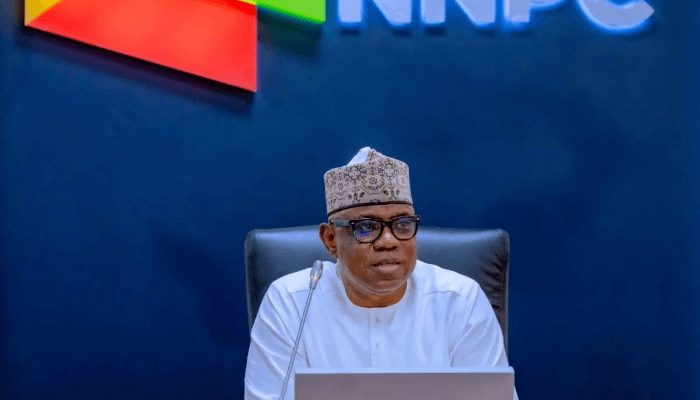
Benue State Governor, Rev. Fr. Hyacinth Alia, has pledged to clear the 11-month salary arrears owed teachers under the State Universal Basic Education Board, SUBEB, in a move aimed at addressing a long-standing financial burden on teachers across the state.
Under the payment arrangement announced by the governor, one month of the outstanding arrears will be added to teachers’ regular monthly salaries until the entire backlog is cleared.
Alia made the commitment during the 2026 World Teachers’ Day celebration at IBB Square in Makurdi, where he was represented by Deputy Governor Sam Ode. The governor used the occasion to reaffirm his administration’s focus on education, teachers’ welfare and improvements in the state’s basic education system.
Government Sets Out Plan to Clear Backlog
The 11-month salary backlog has remained an important issue for teachers under SUBEB.
However, the latest commitment provides a structured approach to resolving the outstanding payments rather than waiting for a single lump-sum settlement.
By adding one month of arrears to teachers’ regular monthly salaries, the government plans to gradually reduce the outstanding debt while maintaining normal salary payments.
Consequently, teachers would receive their current monthly salaries alongside an additional payment towards the arrears until the backlog is completely eliminated.
Alia Highlights Teachers’ Welfare Reforms
Beyond the payment plan, Alia highlighted several measures his administration has introduced to improve the welfare and working conditions of teachers.
The governor pointed to the adoption of a harmonised retirement age for teachers as one of the reforms undertaken by his administration.
He also cited the introduction of an automated payroll system designed to reduce leakages and strengthen accountability in the payment of salaries.
Such reforms, the administration maintains, are intended to make salary administration more efficient while reducing problems associated with payroll management.
More Than 9,000 Teachers Recruited
The governor also highlighted the recruitment of more than 9,000 teachers as part of efforts to strengthen the state’s basic education workforce.
The recruitment is significant because teacher shortages can place additional pressure on existing staff and affect the quality of learning in public schools.
Meanwhile, the government has also focused on improving the physical environment in which teachers work.
According to the governor, more than 400 classrooms have been constructed or renovated, while schools have also received furniture.
Focus Shifts to Teaching and Learning
In addition to infrastructure, the administration has emphasised professional development and retraining for teachers and learners.
The government says these programmes are designed to strengthen the capacity of teachers and improve learning outcomes across the state.
Moreover, better training can help teachers respond to changing educational demands while equipping them with skills needed to support pupils in increasingly challenging learning environments.
The emphasis on professional development therefore complements the government’s investment in recruitment, infrastructure and teachers’ welfare.
Teachers’ Welfare Remains Central
The salary arrears issue has placed teachers’ welfare at the centre of the 2026 World Teachers’ Day discussions in Benue.
While teachers have acknowledged improvements in regular salary payments and other welfare measures, the outstanding arrears have remained a concern.
The latest commitment therefore represents an attempt to address both current salary obligations and historical debts owed to teachers.
At the same time, resolving the backlog could help reduce financial pressure on affected teachers and provide greater certainty for households that have waited for outstanding payments.
SUBEB Leadership Commended
Alia also commended the Executive Chairman of SUBEB, Dr Grace Adagba, for her efforts to strengthen basic education in the state.
The SUBEB leadership has been involved in implementing several of the government’s education interventions, including improvements in schools and support for teachers.
Similarly, the Commissioner for Education and Knowledge Management, Dr Margaret Adamu, represented by the Permanent Secretary for Basic Education, Mrs Bibiana Tyoishi, reaffirmed the government’s commitment to creating a more conducive environment for teaching and learning.
Looking Beyond Salary Payments
Although clearing the 11-month arrears remains a major concern, the broader challenge for Benue is to ensure that teachers receive consistent salaries going forward while schools continue to receive adequate funding.
Regular salary payments, sufficient classroom facilities, professional development and effective school administration all contribute to a stable education system.
Therefore, the repayment plan will be only one part of the wider effort to strengthen basic education in the state.
Ultimately, Governor Alia’s pledge gives affected SUBEB teachers a defined pathway towards recovering their outstanding salaries.
If implemented consistently, the monthly repayment arrangement could gradually eliminate the 11-month backlog while allowing the government to maintain regular salary payments.
For Benue’s teachers, the immediate priority is clear: receive their outstanding entitlements while continuing to work in an education system that the state government says it is committed to rebuilding and strengthening.