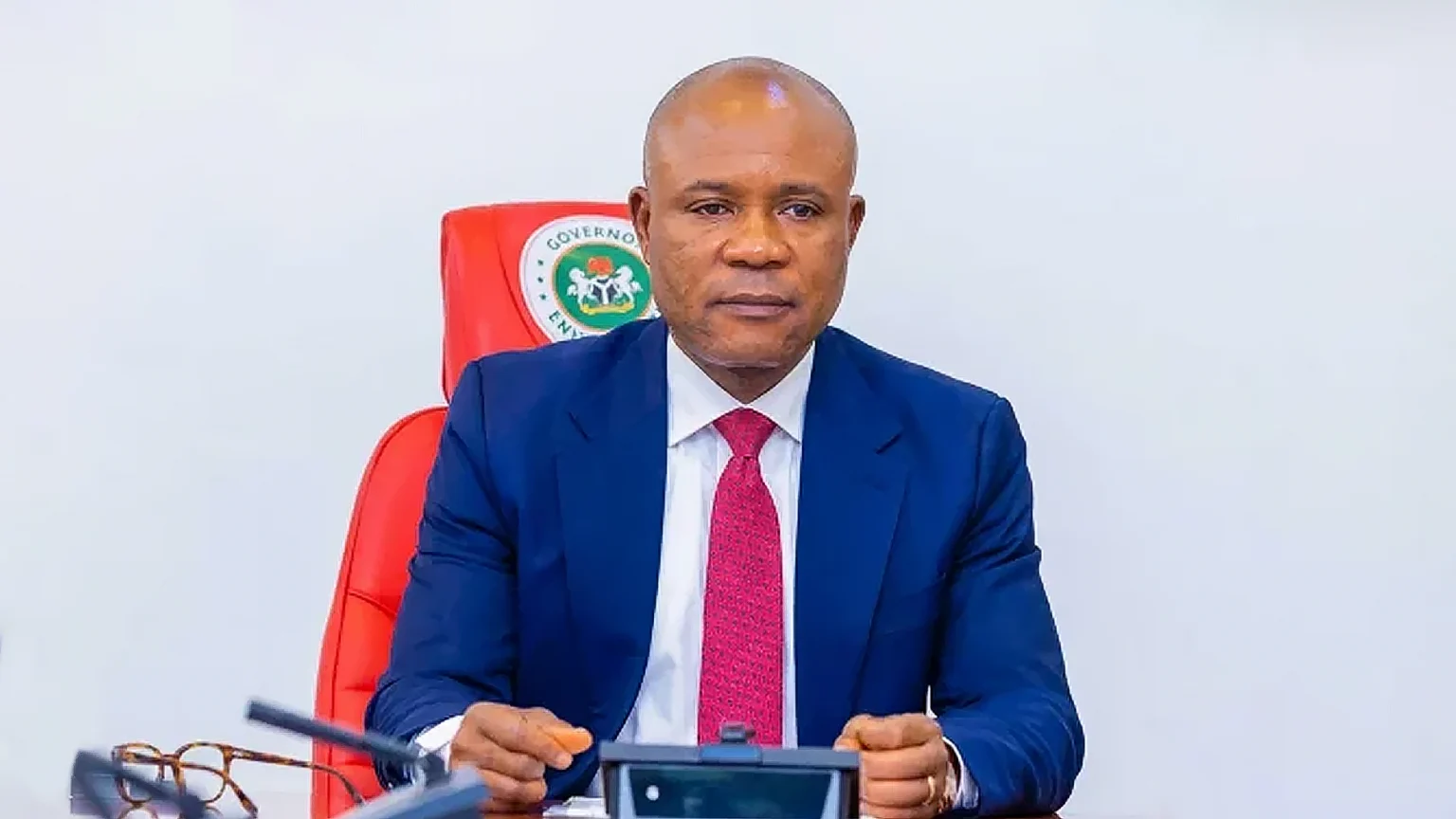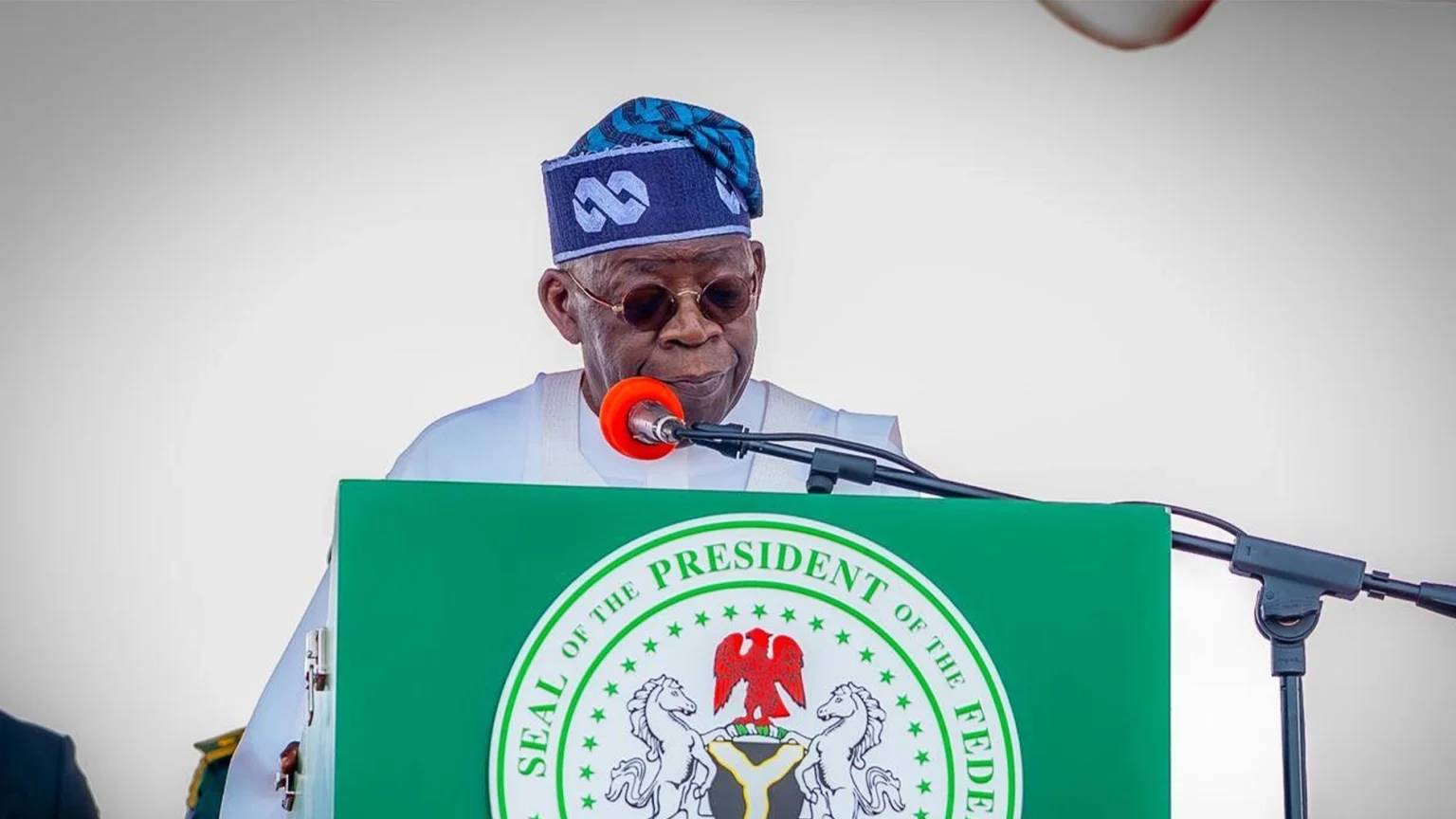
President Bola Ahmed Tinubu has announced 26 new appointments into 10 Federal Government agencies and commissions, a decision that has generated widespread political and public attention across Nigeria.
One of the appointments attracting the greatest interest is that of former Ekiti State Governor, Ayodele Fayose, whose inclusion in the new list has become a major talking point among political observers, party leaders, and citizens.
The appointments form part of the Federal Government’s ongoing efforts to strengthen public institutions by filling strategic leadership positions across several agencies responsible for infrastructure, public administration, economic development, service delivery, and national governance.
Furthermore, the Presidency stated that the appointments are designed to improve institutional efficiency, strengthen policy implementation, and enhance the performance of key government organisations.
The announcement immediately generated discussions because it brings together experienced public officials, professionals, technocrats, and political figures expected to contribute to national development through their respective assignments.
A Broad Restructuring Across Federal Agencies
The newly announced appointments cover 10 Federal Government agencies and commissions, reflecting one of the administration’s significant leadership renewal exercises.
Furthermore, appointments into government institutions play an important role in ensuring that agencies possess the leadership necessary to implement policies effectively while delivering quality public services.
Strong leadership strengthens institutions.
The Federal Government expects the new appointees to support ongoing reforms while improving operational efficiency within their respective organisations.
Ayo Fayose’s Appointment Draws Attention
Among the newly appointed officials, former Ekiti State Governor Ayodele Fayose has attracted considerable national attention.
Furthermore, Fayose remains one of Nigeria’s best-known political figures due to his years in public service and his active participation in national political discussions.
Experienced leaders bring valuable perspectives.
Political analysts believe his appointment demonstrates the administration’s willingness to draw expertise from individuals with significant governance experience.
His appointment has therefore become one of the most discussed aspects of the entire announcement.
Strengthening Public Service Delivery
Federal agencies perform important responsibilities that directly affect citizens across different sectors.
Furthermore, effective leadership contributes significantly to better planning, faster decision-making, improved accountability, and stronger service delivery.
Efficient institutions improve governance.
The newly appointed officials are therefore expected to oversee programmes capable of supporting national development while strengthening institutional performance.
Improved management also contributes to greater public confidence in government agencies.
Experience Meets National Development
Many appointments into federal institutions combine administrative experience with professional expertise.
Furthermore, experienced public officials often possess valuable institutional knowledge capable of supporting effective policy implementation and organisational stability.
Experience supports better governance.
The Federal Government continues emphasising competence, leadership capacity, and institutional effectiveness as important considerations in public appointments.
Such qualities contribute to stronger decision-making and improved programme execution.
Supporting Ongoing Government Reforms
President Tinubu’s administration has continued implementing reforms across multiple sectors of the Nigerian economy.
Furthermore, strengthening leadership within government institutions supports broader reform objectives involving infrastructure, economic development, public administration, investment promotion, digital transformation, and service delivery.
Leadership drives reform implementation.
The newly appointed officials are expected to contribute meaningfully toward achieving these national priorities through their respective agencies.
Institutional Stability Matters
Stable institutions require capable leadership.
Furthermore, effective governance depends upon agencies that operate efficiently while implementing government policies responsibly and transparently.
Strong institutions promote development.
Appointments into strategic leadership positions therefore remain important components of institutional continuity and long-term administrative effectiveness.
The Federal Government expects the new leadership teams to strengthen operational performance across their organisations.
Public Expectations Continue Rising
Nigerians increasingly expect government institutions to deliver measurable results.
Furthermore, citizens continue monitoring public agencies based on their ability to provide efficient services, implement projects, maintain transparency, and improve national development outcomes.
Performance builds public trust.
The newly appointed officials will therefore face expectations regarding accountability, professionalism, innovation, and effective service delivery.
Their performance may influence public perception of institutional reforms.
Political Significance
Appointments into federal agencies frequently carry both administrative and political significance.
Furthermore, leadership selections often generate discussions regarding governance priorities, institutional direction, national unity, and public policy implementation.
Appointments shape governance.
Political observers continue analysing the broader implications of the President’s latest appointments while awaiting the implementation of new leadership responsibilities across the affected institutions.
Looking Ahead
President Bola Ahmed Tinubu’s approval of 26 new appointments into 10 Federal Government agencies and commissions marks another important step in the administration’s ongoing efforts to strengthen public institutions and improve governance across Nigeria.
Furthermore, the appointment of former Ekiti State Governor Ayodele Fayose has emerged as one of the most closely watched developments following the announcement, reflecting the considerable public interest surrounding experienced political leaders returning to strategic national assignments.
As the new appointees assume their responsibilities, Nigerians will be watching closely to see how their leadership contributes to institutional reforms, policy implementation, improved service delivery, and national development. The success of these appointments will ultimately be measured by the ability of the affected agencies to deliver meaningful results, strengthen public confidence, and support the administration’s broader vision for economic growth, effective governance, and sustainable national progress.