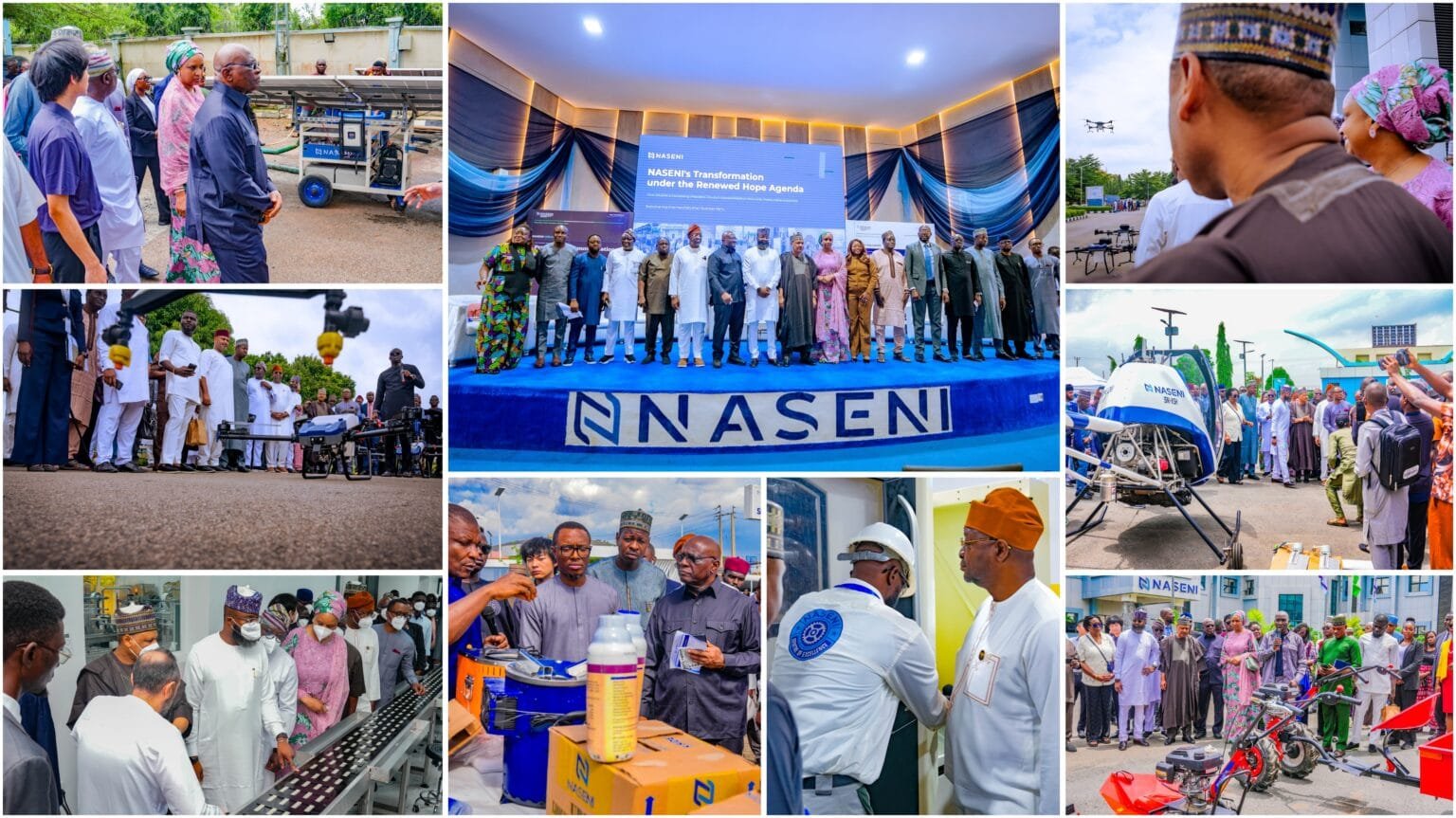
The Central Bank of Nigeria (CBN) has pledged to collaborate with the Raw Materials Research and Development Council (RMRDC) to achieve a major national target—ensuring that at least 30 percent of raw materials are processed locally before export.
This commitment marks a significant shift toward value addition and industrial growth in Nigeria. For years, the country has exported raw materials in their unprocessed form. However, this approach limits economic potential. Therefore, the new partnership aims to reverse that trend and unlock greater value within the domestic economy.
Why Local Processing Matters
Raw material exports generate revenue. However, processed goods deliver far greater economic benefits.
When materials are refined locally, industries grow. Jobs increase. Skills improve.
The collaboration between the Central Bank of Nigeria (CBN) and the Raw Materials Research and Development Council (RMRDC) directly addresses this opportunity.
By targeting 30 percent local processing, Nigeria can:
- Increase export value
- Reduce dependence on imported finished goods
- Strengthen industrial capacity
- Boost foreign exchange earnings
Consequently, the economy becomes more resilient and competitive.
The Role of Financial Support and Policy
Achieving this goal requires more than intention.
It demands funding, policy alignment, and institutional coordination.
The Central Bank of Nigeria plays a crucial role in this process.
Through targeted financing, incentives, and regulatory support, the CBN can enable manufacturers to invest in processing facilities.
At the same time, the Raw Materials Research and Development Council provides research, innovation, and technical guidance.
This combination creates a strong foundation for success.
Driving Industrialisation and Economic Diversification
Nigeria’s long-term growth depends on diversification.
Relying heavily on raw exports limits progress.
However, local processing changes the equation.
It creates industries around agriculture, mining, and manufacturing.
As a result, the economy expands beyond traditional sectors.
Moreover, this shift aligns with national goals of building a self-sustaining industrial base.
It also supports global competitiveness by improving product quality and standards.
Empowering Local Industries and Entrepreneurs
The initiative will directly benefit local businesses.
Small and medium enterprises can access new opportunities in processing and manufacturing.
Entrepreneurs can develop products for both local and international markets.
In addition, the focus on local processing encourages innovation.
Businesses will explore new methods, technologies, and value chains.
Therefore, the partnership does not only support large industries. It empowers a broad spectrum of economic actors.
Reducing Economic Leakages
Exporting raw materials often leads to economic leakage.
Value is created abroad rather than at home.
By increasing local processing, Nigeria retains more value within its economy.
This approach strengthens domestic revenue and reduces reliance on external markets.
Furthermore, it improves trade balance by increasing the export of finished or semi-finished goods.
A Forward-Looking Economic Strategy
The collaboration between the Central Bank of Nigeria (CBN) and the Raw Materials Research and Development Council (RMRDC) reflects a forward-thinking strategy.
It recognizes that sustainable growth requires structural transformation.
Instead of exporting potential, Nigeria is choosing to develop it.
This shift positions the country for long-term success in a competitive global economy.
Looking Ahead
As the partnership unfolds, implementation will remain critical.
Stakeholders will expect clear policies, accessible funding, and measurable progress.
Continuous collaboration between financial institutions, research bodies, and industry players will be essential.
However, the direction is clear.
Conclusion: Unlocking Nigeria’s True Economic Value
The commitment by the Central Bank of Nigeria to support the Raw Materials Research and Development Council represents a pivotal moment.
It signals a move toward value creation, industrial growth, and economic resilience.
If successfully implemented, the 30 percent processing target could transform Nigeria’s economic landscape.
Ultimately, it offers a pathway to greater prosperity, stronger industries, and a more competitive nation.