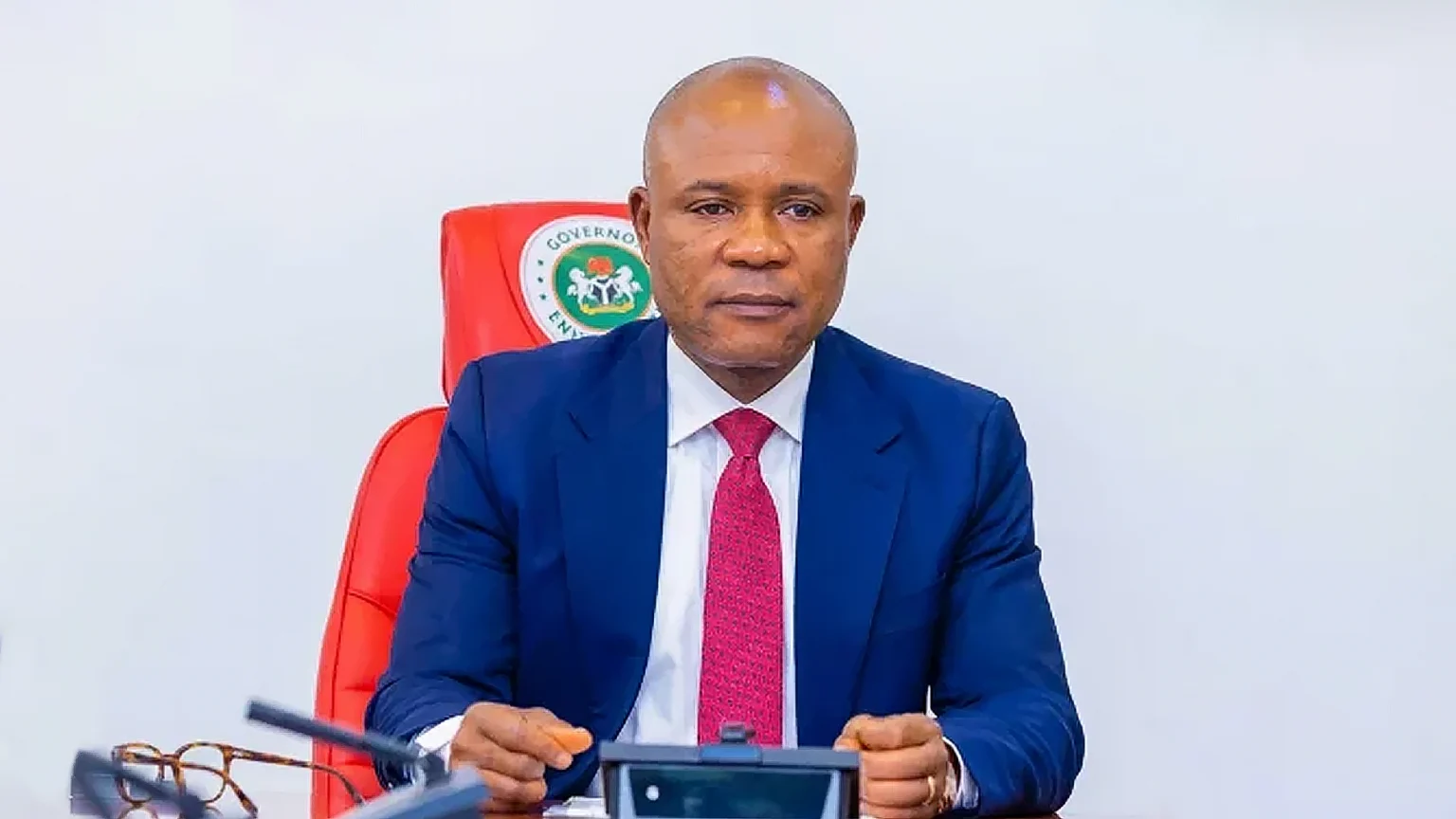
Governor Peter Mbah of Enugu State, Nigeria has called for a coordinated, multi-sectoral approach to achieving an Open Defecation Free (ODF) environment, emphasizing that sustainable sanitation requires collective responsibility and strategic alignment.
His call reflects growing urgency around sanitation challenges and their impact on public health, environmental safety, and human dignity across Nigeria.
The Need for Multi-Sector Collaboration
Achieving an ODF environment cannot rely on a single institution.
Governor Peter Mbah stressed that government agencies, private sector players, development partners, and communities must work together.
Such collaboration ensures that policies translate into action at every level.
Moreover, it allows resources, expertise, and infrastructure to be effectively coordinated.
As a result, progress becomes faster and more sustainable.
Linking Sanitation to Public Health
Open defecation poses serious health risks.
It contributes to the spread of diseases such as cholera, diarrhea, and other infections.
By advocating for an ODF environment, Governor Peter Mbah is prioritizing preventive healthcare.
Improved sanitation reduces disease burden and enhances overall well-being.
Therefore, investment in sanitation becomes an investment in public health.
Driving Infrastructure and Behavioral Change
Infrastructure alone cannot solve sanitation challenges.
While building toilets and improving waste systems remain essential, behavioral change plays an equally important role.
Governor Peter Mbah highlighted the need for awareness campaigns and community engagement.
Educating citizens on proper hygiene practices ensures long-term success.
Consequently, both physical infrastructure and social awareness must advance together.
Empowering Communities for Ownership
Sustainable sanitation depends on community ownership.
When communities take responsibility, initiatives are more likely to succeed.
Governor Peter Mbah emphasized grassroots involvement in planning and implementation.
This approach ensures that solutions reflect local realities and needs.
In addition, it strengthens accountability and participation.
Aligning with National and Global Goals
The push for an Open Defecation Free environment aligns with broader development goals.
It supports national sanitation policies and global targets such as the Sustainable Development Goals (SDGs).
By prioritizing sanitation, Enugu State, Nigeria contributes to national progress.
Furthermore, it positions the state as a model for effective sanitation strategies.
Looking Ahead
Governor Peter Mbah’s call sets a clear direction.
However, achieving an ODF environment will require sustained effort, funding, and collaboration.
Stakeholders must remain committed to implementation and continuous improvement.
Ultimately, the vision of an Open Defecation Free Enugu State, Nigeria represents more than a policy goal.
It reflects a commitment to health, dignity, and sustainable development in Nigeria.