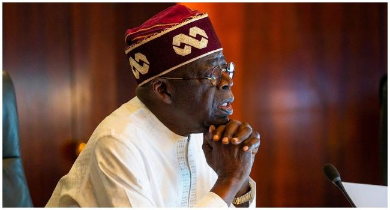
The Federal Government has renamed the Lagos to Calabar Coastal Highway in honour of President Bola Ahmed Tinubu, describing the landmark infrastructure project as the fulfilment of a vision he conceived during his tenure as Governor of Lagos State.
The decision recognises President Tinubu’s contributions to infrastructure development and his long-standing commitment to expanding Nigeria’s transportation network through projects designed to improve connectivity, stimulate economic growth, and strengthen regional integration.
Furthermore, government officials stated that the coastal highway represents one of the most ambitious road infrastructure projects in the country’s history and will serve as a lasting symbol of Nigeria’s development aspirations.
Recognising a Long-Term Vision
According to the Federal Government, the Lagos–Calabar Coastal Highway reflects a strategic vision that dates back to President Tinubu’s years as Governor of Lagos State.
Furthermore, the administration explained that the concept has evolved into a national project capable of transforming transportation, commerce, tourism, and economic activities along Nigeria’s southern coastline.
The recognition highlights the continuity of long-term infrastructure planning.
Transforming National Connectivity
The Lagos–Calabar Coastal Highway is expected to improve road connectivity across several coastal states.
Furthermore, the highway will reduce travel time, facilitate the movement of goods and services, strengthen interstate commerce, and improve access to major economic centres along the southern corridor.
Improved connectivity supports national development.
Boosting Economic Activities
Government officials noted that the highway will stimulate investment opportunities across multiple sectors of the economy.
Furthermore, improved transportation infrastructure is expected to encourage industrial growth, support agriculture, expand tourism, strengthen logistics operations, and create new business opportunities for communities located along the project corridor.
Infrastructure drives economic expansion.
Creating Employment Opportunities
The construction and long-term operation of the highway are also expected to generate significant employment opportunities.
Furthermore, thousands of Nigerians are expected to benefit through direct construction jobs, engineering services, transportation businesses, hospitality, maintenance, and other supporting industries linked to the project.
Infrastructure investment creates jobs.
Supporting Regional Development
The Federal Government emphasised that the highway will contribute to balanced regional development by opening new economic corridors and improving access to previously underserved communities.
Furthermore, enhanced transportation networks will encourage greater commercial activities while improving access to education, healthcare, and other essential public services.
Regional development promotes inclusive growth.
Strengthening Nigeria’s Infrastructure Network
The administration reaffirmed its commitment to investing in large-scale infrastructure capable of transforming the country’s economy.
Furthermore, projects such as the Lagos–Calabar Coastal Highway demonstrate the government’s determination to modernise Nigeria’s transportation system while improving national competitiveness and attracting private investment.
Modern infrastructure strengthens economic resilience.
A Lasting National Legacy
The decision to rename the highway after President Bola Ahmed Tinubu reflects the government’s recognition of his contributions to infrastructure development and national planning.
Furthermore, officials expressed confidence that the project will stand as a lasting national asset that improves mobility, supports economic diversification, promotes regional integration, and contributes significantly to Nigeria’s long-term growth and development.
By combining improved connectivity, expanded commercial opportunities, job creation, and strategic infrastructure investment, the renamed President Bola Ahmed Tinubu Lagos–Calabar Coastal Highway is expected to become one of the defining development projects supporting Nigeria’s economic transformation for generations to come.