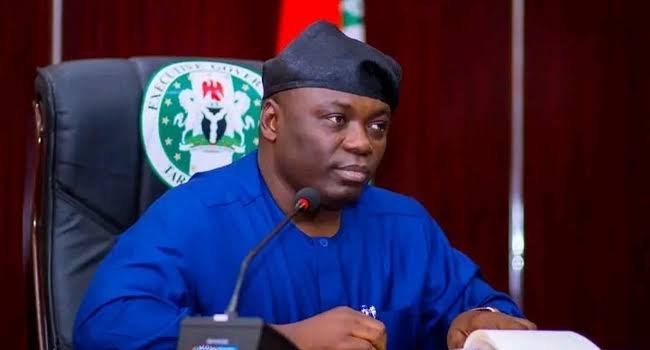
The Minister of State for Petroleum Resources (Oil), Heineken Lokpobiri, has assured local and foreign investors that the Federal Government will soon resolve the longstanding challenge of multiple taxation and overlapping levies, reaffirming Nigeria’s commitment to creating a more competitive and investor-friendly business environment.
Lokpobiri said the government recognises that excessive taxes, duplicated charges, and regulatory bottlenecks have discouraged investment in key sectors of the economy, particularly the oil and gas industry.
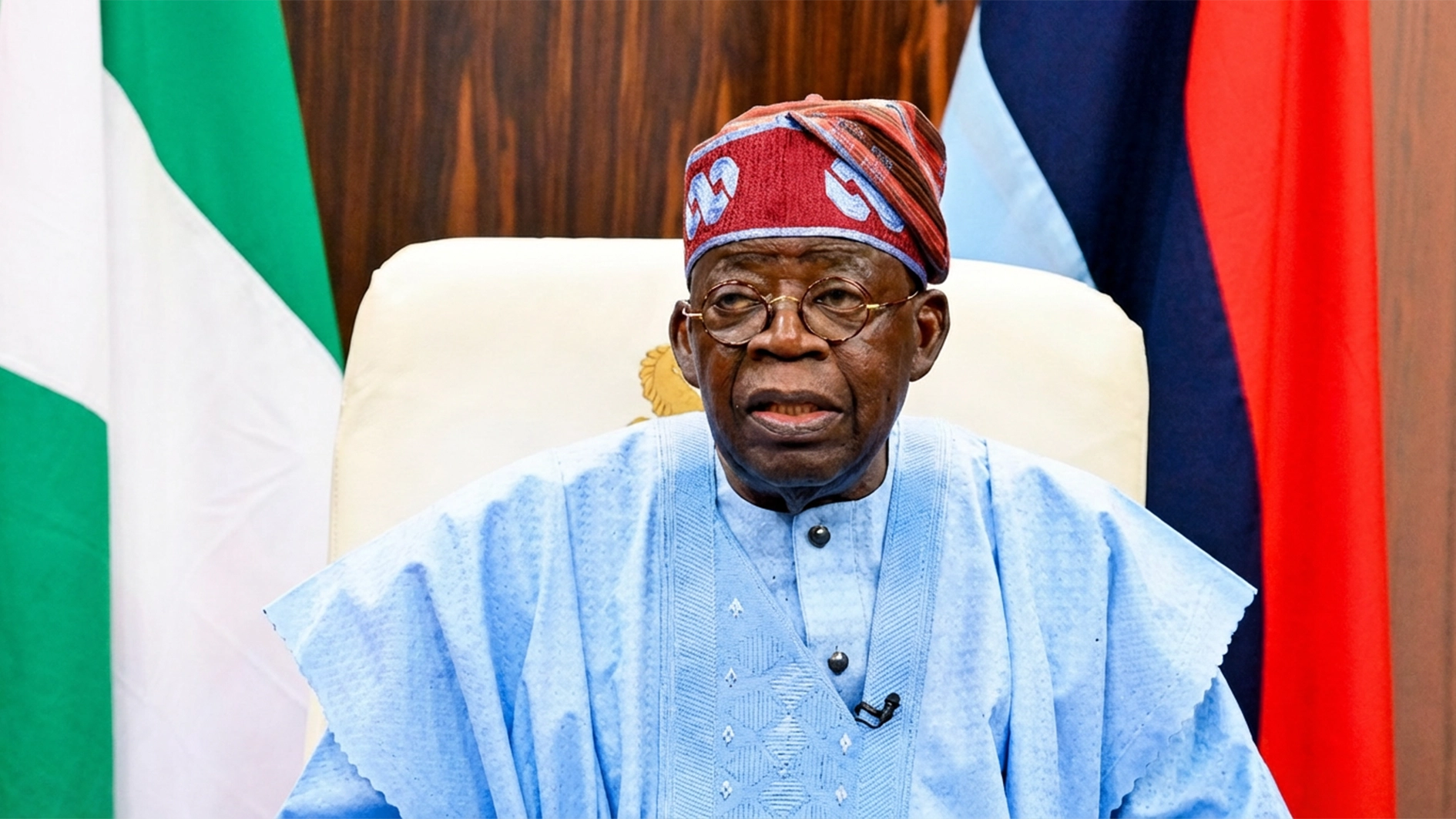
Furthermore, he stressed that ongoing reforms under President Bola Ahmed Tinubu’s administration are designed to eliminate these challenges, improve the ease of doing business, and position Nigeria as one of the world’s most attractive investment destinations.
Government Committed to Investment Reforms
The minister explained that the Federal Government remains determined to implement policies that encourage both domestic and foreign investment.
Furthermore, addressing multiple taxation forms part of broader economic reforms aimed at creating a predictable and transparent business environment capable of supporting long-term economic growth.
He noted that investors require policy stability and regulatory clarity before committing significant capital to major projects.
Stable policies attract sustainable investments.
Tackling Multiple Taxation
Lokpobiri acknowledged that multiple taxation has remained one of the concerns repeatedly raised by investors.
Furthermore, the existence of overlapping taxes and levies imposed by different government agencies has increased operational costs for businesses while reducing Nigeria’s competitiveness compared to other investment destinations.
He assured stakeholders that the government is actively working with relevant institutions to harmonise tax structures and eliminate unnecessary charges.
Simplified taxation encourages business expansion.
Strengthening Nigeria’s Global Competitiveness
The minister stated that improving Nigeria’s competitiveness remains one of the administration’s major priorities.
Furthermore, creating an efficient regulatory environment will enhance investor confidence while encouraging increased participation in strategic sectors of the economy.
He emphasised that Nigeria possesses enormous natural resources, skilled manpower, and market opportunities capable of attracting substantial global investment.
Competitive economies attract global capital.
Supporting the Oil and Gas Industry
Lokpobiri reaffirmed the government’s commitment to unlocking the full potential of Nigeria’s petroleum industry.
Furthermore, reforms within the sector are expected to encourage fresh investments in exploration, production, refining, gas development, and related infrastructure.
He explained that improving the investment climate will accelerate project implementation while increasing production capacity.
The energy sector remains central to national economic growth.
Improving the Ease of Doing Business
The minister noted that removing regulatory obstacles remains essential for improving Nigeria’s ease of doing business rankings.
Furthermore, reducing bureaucratic delays, simplifying administrative procedures, and strengthening institutional coordination will create a more efficient operating environment for investors.
Businesses perform better under transparent regulatory systems.
Efficiency promotes economic development.
Encouraging Long-Term Investment
Lokpobiri assured investors that the Federal Government remains committed to protecting legitimate investments through consistent policy implementation.
Furthermore, long-term investment requires confidence that regulatory frameworks will remain stable while contractual obligations are respected.
The administration continues engaging stakeholders to ensure reforms reflect the needs of both government and private sector participants.
Investor confidence drives economic expansion.
Economic Diversification Through Investment
The minister explained that attracting greater investment supports Nigeria’s economic diversification agenda.
Furthermore, increased capital inflows into the petroleum sector and other productive industries will stimulate job creation, industrial development, technology transfer, infrastructure expansion, and higher government revenues.
Private sector participation remains essential for achieving sustainable national development.
Investment accelerates diversification.
Building a More Competitive Economy
Heineken Lokpobiri concluded by reaffirming that the Federal Government is determined to create an investment climate that compares favourably with leading global economies.
Furthermore, resolving multiple taxation, strengthening regulatory efficiency, improving policy consistency, and promoting investor confidence will contribute significantly to Nigeria’s economic transformation.
As ongoing reforms continue to take shape, the government expects improved investor participation, stronger industrial growth, increased petroleum sector investments, enhanced economic competitiveness, expanded employment opportunities, and sustained national development capable of positioning Nigeria as a preferred destination for global investment.