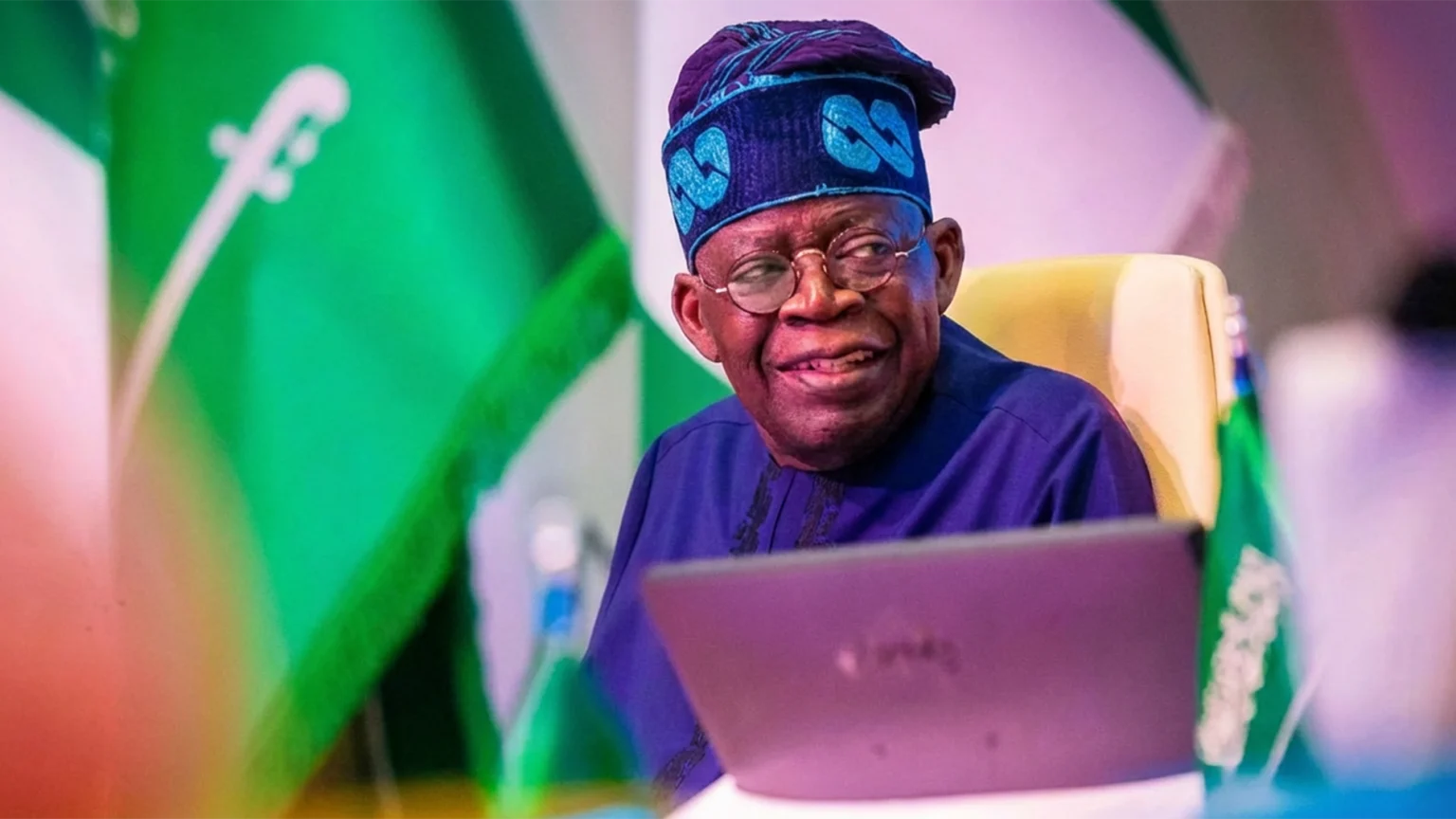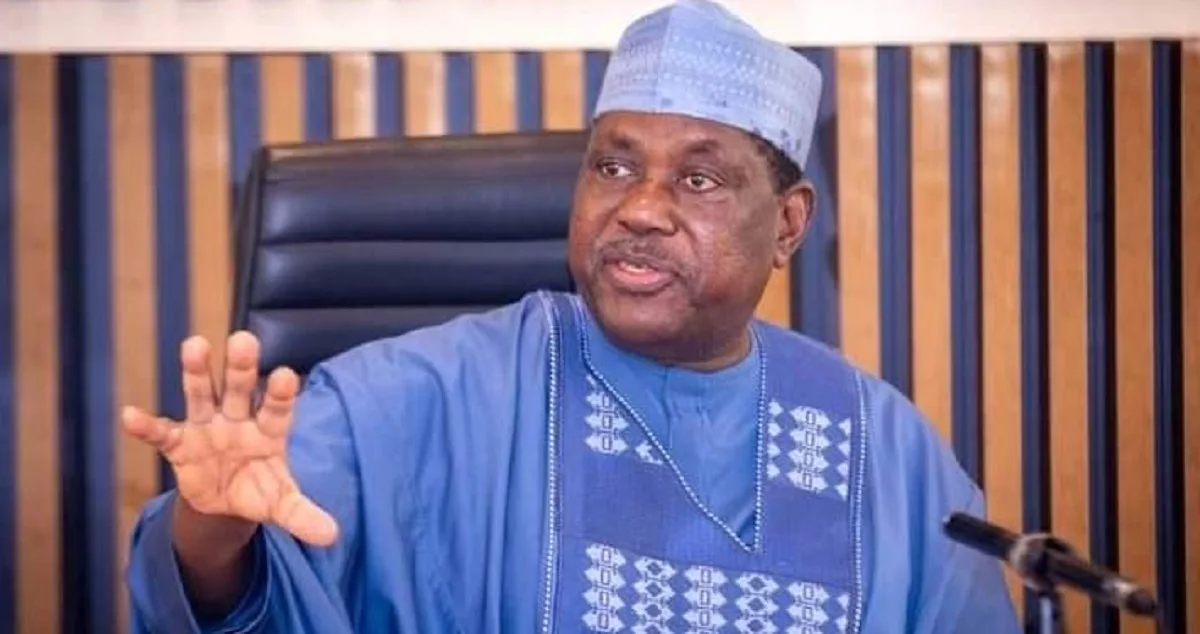
The Secretary to the Government of the Federation, George Akume, has described Bola Ahmed Tinubu as a prepared and visionary leader committed to repositioning Nigeria through economic reforms and strategic governance.
According to the SGF, the President’s leadership approach reflects long-term planning, institutional reforms, and a determination to address critical national challenges affecting economic growth and development. Therefore, the remarks highlight growing support within government circles for the administration’s reform-driven agenda and governance priorities.
Leadership remains central to national transformation and policy implementation.
Why Visionary Leadership Matters
Strong leadership often shapes national progress.
Countries undergoing economic and institutional reforms frequently depend on leaders capable of making strategic decisions and implementing long-term development plans. Therefore, visionary governance remains important for addressing complex national challenges and promoting sustainable growth.
Leadership influences investor and public confidence.
Governments with clear policy direction and reform objectives often attract stronger support from businesses, institutions, and international partners. Consequently, effective governance may improve economic performance and national stability.
Strategic leadership also strengthens institutional coordination.
Tinubu’s Reform Agenda and Economic Direction
The administration of Bola Ahmed Tinubu has consistently emphasized economic restructuring and policy reforms.
Since assuming office, the government has focused on initiatives involving fiscal adjustments, infrastructure expansion, investment attraction, energy sector reforms, and institutional strengthening. Therefore, supporters of the administration view these measures as part of broader efforts to reposition Nigeria’s economy for long-term sustainability.
Economic reforms often require difficult decisions.
Governments pursuing structural transformation frequently implement policies aimed at improving efficiency, reducing fiscal pressure, and encouraging private sector participation.
Reforms also influence future economic competitiveness.
The Role of Strategic Governance
Strategic governance focuses on long-term national objectives.
It involves coordinated policymaking, institutional efficiency, economic planning, and the effective management of public resources. Therefore, governance strategies often determine how successfully countries respond to economic and social challenges.
Planning remains essential for development.
Nations that prioritize strategic governance often improve infrastructure, investment climates, public services, and economic productivity over time.
Institutional coordination also strengthens policy outcomes.
George Akume’s Position Within Government
George Akume occupies one of the most strategic offices within the Federal Government.
As Secretary to the Government of the Federation, he oversees coordination among ministries, departments, and agencies while supporting policy implementation across government institutions. Therefore, his remarks reflect perspectives from within the administration regarding national governance priorities.
The SGF office supports policy execution.
Strong institutional coordination often improves governance efficiency and administrative effectiveness.
Government alignment remains important for reform implementation.
Economic Reforms and National Development
Economic reforms are often introduced to strengthen productivity and growth.
Countries facing fiscal pressure, infrastructure gaps, unemployment, and economic instability frequently adopt reform measures aimed at improving long-term economic performance. Therefore, Nigeria’s current reform agenda reflects broader efforts to modernize the economy and encourage sustainable development.
Investment attraction depends partly on reforms.
Investors often assess economic stability, regulatory frameworks, and governance quality before committing resources to emerging markets.
Stable policies support economic confidence.
Infrastructure and Governance Priorities
Infrastructure development remains central to national progress.
Roads, rail systems, electricity networks, ports, digital infrastructure, and transportation systems significantly influence economic activities and industrial growth. Therefore, strategic governance often prioritizes infrastructure investment as part of broader development plans.
Infrastructure improves productivity.
Efficient systems reduce business costs, strengthen trade, and improve access to opportunities across different sectors.
Modern economies depend heavily on reliable infrastructure.
The Importance of Institutional Reforms
Institutional reforms strengthen governance structures.
Governments often introduce reforms to improve transparency, efficiency, accountability, and service delivery within public institutions. Therefore, strategic governance involves not only economic policies but also institutional modernization.
Effective institutions support national stability.
Public trust often increases when government systems operate transparently and efficiently.
Strong institutions encourage sustainable development.
Public Expectations and Reform Challenges
Reforms frequently come with public expectations and challenges.
Economic adjustments may initially create pressure on households and businesses before long-term benefits emerge. Therefore, governments often balance reform implementation with social support measures and public communication strategies.
Patience and consistency remain important.
Successful reforms usually require time, coordination, and sustained policy commitment.
Public engagement also supports reform acceptance.
Nigeria’s Long-Term Development Goals
Nigeria continues pursuing broader economic and social transformation.
Efforts involving industrial growth, digital innovation, agricultural expansion, infrastructure modernization, and investment attraction remain central to national development discussions. Therefore, leadership and governance strategies continue shaping the country’s future direction.
Development requires coordinated action.
Government institutions, private sector actors, and citizens all contribute to national progress.
Looking Ahead
The Tinubu administration is expected to continue emphasizing reforms and governance restructuring.
As policy implementation continues, attention will likely remain focused on economic stability, investment growth, infrastructure expansion, and institutional effectiveness across Nigeria.
Strategic governance will remain central to national discussions.
Conclusion: Leadership and Reform as Drivers of National Transformation
The description of Bola Ahmed Tinubu by George Akume as a prepared and visionary leader reflects growing emphasis on strategic governance and economic reforms within Nigeria.
As the administration continues implementing policies aimed at economic transformation and institutional strengthening, leadership effectiveness will remain crucial for achieving sustainable growth and national development goals.
Ultimately, visionary governance and consistent reforms may help position Nigeria for greater economic resilience, competitiveness, and long-term prosperity.