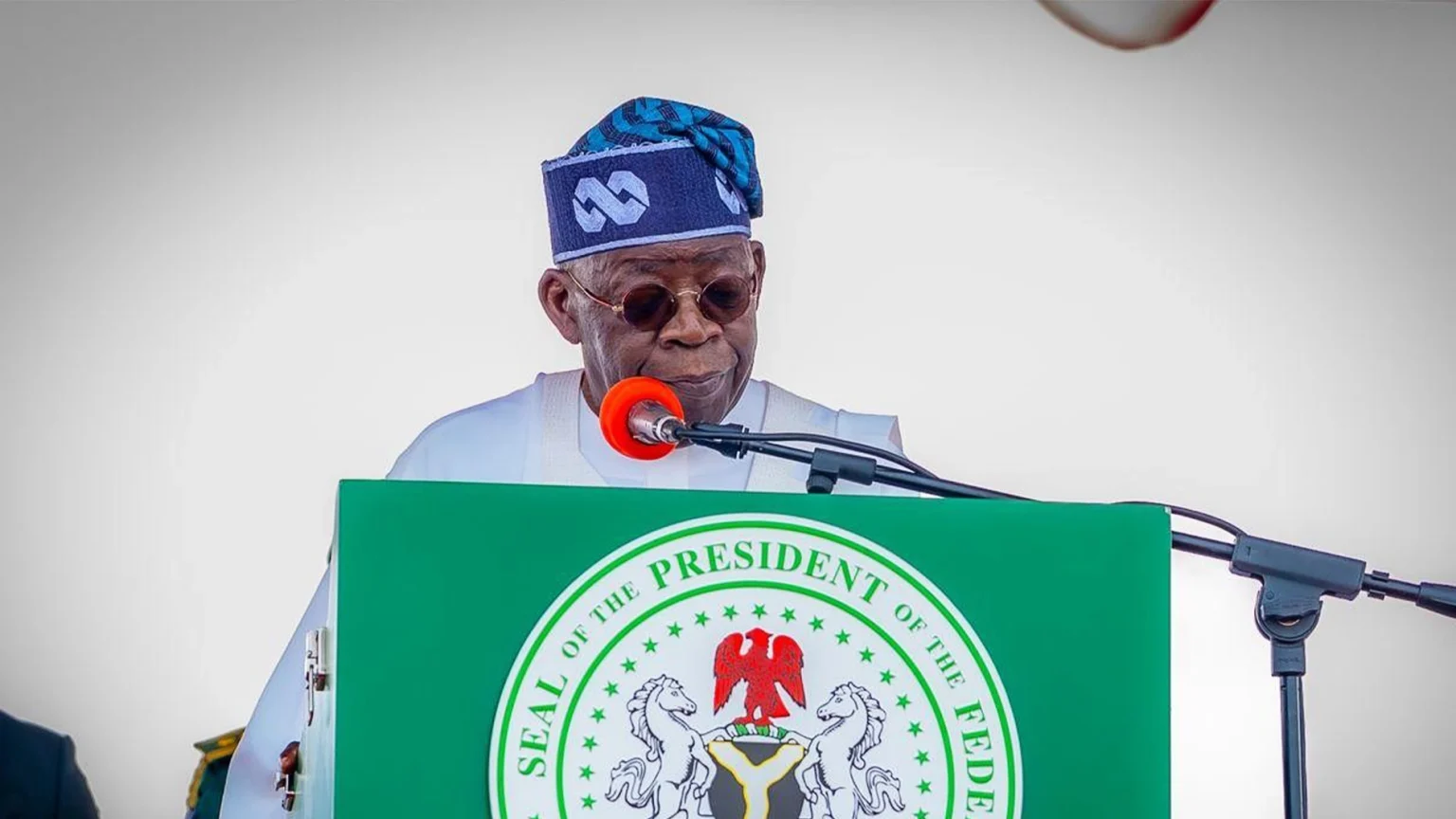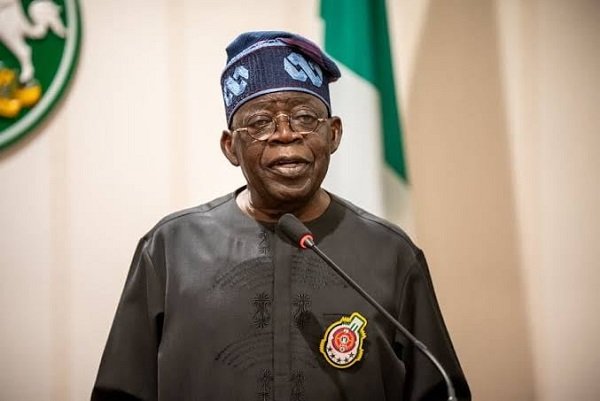
Bola Tinubu has described the forthcoming primaries of the All Progressives Congress (APC) as a defining moment for the party as it prepares for its fourth electoral cycle since inception.
In a statement released ahead of the primaries, the President emphasized that the APC was founded on the principles of progressive politics, consensus-building, and sacrifice. Therefore, he urged party members and stakeholders to approach the exercise with unity, discipline, and commitment to democratic values.
Internal party processes remain important within democratic systems.
Why Party Primaries Matter
Party primaries determine electoral candidates.
Political parties conduct primaries to select candidates who will represent them during general elections. Therefore, the process often shapes the direction, strength, and public perception of political parties ahead of national contests.
Strong internal democracy improves political credibility.
Transparent and peaceful primaries may help strengthen party unity, reduce internal disputes, and improve public confidence in democratic institutions.
Political stability often depends on inclusive participation.
APC’s Political Journey Since Formation
The All Progressives Congress remains one of Nigeria’s major political parties.
Founded through the merger of several political groups, the APC has played a central role within Nigeria’s political landscape over the past decade. Therefore, the President’s reference to the party’s fourth electoral cycle highlights its continued evolution and political significance.
Political parties shape governance systems.
Party structures often influence policy direction, leadership selection, and national political debates.
Democratic institutions depend on effective party organization.
Progressive Politics and Consensus Building
Progressive politics often emphasizes reform and development.
Political movements describing themselves as progressive frequently focus on governance reforms, economic growth, inclusion, and institutional strengthening. Therefore, President Tinubu’s remarks reflect the APC’s attempt to reinforce its founding ideals and political identity.
Consensus-building remains important in politics.
Negotiation, dialogue, and compromise often help political parties manage internal competition and maintain organizational stability.
Sacrifice also plays a role in party cohesion.
The Importance of Unity Within Political Parties
Internal unity strengthens political competitiveness.
Political parties often perform more effectively during elections when members remain coordinated and supportive of collective goals. Therefore, party leadership frequently emphasizes discipline and cooperation during primary processes.
Disputes may weaken party structures.
Internal divisions and unresolved conflicts sometimes affect electoral performance and public perception.
Strong leadership often helps maintain stability.
Nigeria’s Democratic Development
Nigeria continues strengthening democratic institutions.
Elections, political participation, and party competition remain central to governance within Nigeria. Therefore, internal party primaries form an important part of the broader democratic process.
Political participation encourages representation.
Citizens rely on political systems to choose leaders and influence national decision-making through elections.
Democratic maturity depends on credible processes.
Leadership Selection and Electoral Strategy
Primaries influence electoral outcomes significantly.
The selection of candidates often determines campaign strength, voter confidence, and party momentum ahead of general elections. Therefore, political parties usually treat primaries as strategically important exercises.
Candidate credibility matters greatly.
Experience, public support, political networks, and leadership qualities often influence primary contests and electoral success.
Strategic planning also shapes party performance.
The Role of Sacrifice in Political Organisation
Political movements often require compromise and commitment.
Party leaders and members sometimes place collective interests above personal ambitions to preserve organizational unity and long-term political goals. Therefore, references to sacrifice often reflect appeals for cooperation during competitive political periods.
Shared objectives strengthen political structures.
Successful parties frequently balance competition with internal collaboration.
Electoral Cycles and Political Continuity
Electoral cycles shape political evolution.
Each election period presents opportunities for parties to reassess strategies, leadership structures, and policy priorities. Therefore, the APC’s fourth electoral cycle represents another stage within its political development.
Continuity and adaptation both remain important.
Political parties often evolve based on governance experiences, public expectations, and national challenges.
Looking Ahead
Political activities are expected to intensify nationwide.
As electoral preparations continue, political parties across Nigeria will likely strengthen mobilization efforts, leadership consultations, and campaign structures ahead of future elections.
Internal democracy will remain an important national discussion.
Conclusion: A Defining Moment for Party Unity and Democratic Growth
The statement by Bola Tinubu describing the upcoming All Progressives Congress primaries as a defining moment highlights the importance of internal democracy, unity, and strategic leadership within political organizations.
As the APC prepares for another electoral cycle, the conduct of its primaries may significantly influence party cohesion, electoral readiness, and broader democratic engagement within Nigeria.
Ultimately, strong democratic processes within political parties remain essential for sustaining political stability, representation, and national development.