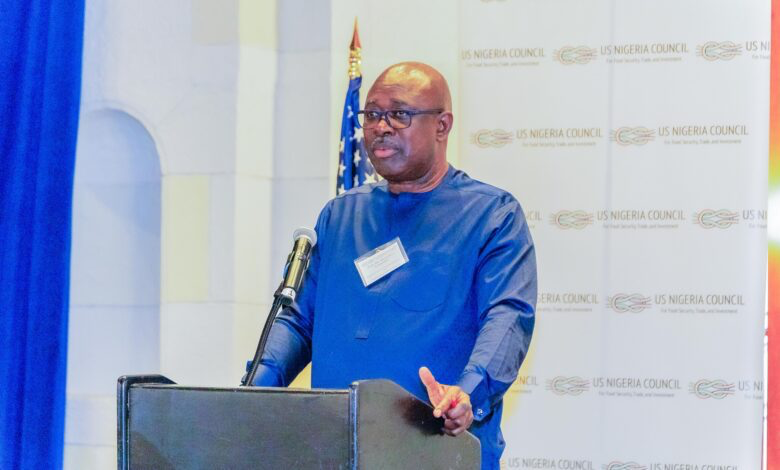
The Minister of State for Petroleum Resources (Oil), Heineken Lokpobiri, has engaged with a delegation from Working People United (WOPU), a coalition made up of labour leaders, professionals, artisans, and other workers.
The engagement reflects ongoing efforts to strengthen collaboration between government institutions and critical stakeholders within Nigeria. Therefore, it highlights the importance of dialogue in shaping policies that affect workers and the broader economy.
Why Stakeholder Engagement Matters
Dialogue promotes understanding.
The petroleum sector remains central to Nigeria’s economy. Therefore, decisions within the industry often affect businesses, workers, and households nationwide.
By meeting with representatives of Working People United, Heineken Lokpobiri demonstrated the importance of inclusive engagement in governance and policy discussions.
The Importance of Workers in National Development
Workers drive economic productivity.
Labour leaders, artisans, professionals, and grassroots workers contribute significantly to economic growth and national stability. Therefore, involving them in conversations around the petroleum sector strengthens public participation.
Such engagement also creates opportunities for better understanding between policymakers and citizens.
Petroleum Sector and Economic Impact
Energy policies affect everyday life.
The petroleum industry influences transportation, manufacturing, energy supply, and overall economic activity. Therefore, discussions involving workers’ groups are important for addressing concerns tied to affordability, employment, and industrial growth.
Stakeholder collaboration can also help improve policy implementation.
Building Trust Through Communication
Open communication strengthens governance.
Regular interaction between public officials and organised groups encourages transparency and accountability. Therefore, consultations like this help reduce misunderstandings and foster cooperation.
Constructive dialogue also creates space for feedback and policy improvement.
Balancing Reform and Public Expectations
Economic reforms require public confidence.
The petroleum sector continues to experience reforms and restructuring aimed at improving efficiency and investment. Therefore, government officials must engage stakeholders consistently to explain policies and address concerns.
Public understanding remains critical for long-term reform success.
The Role of Coalitions Like WOPU
Coalitions amplify citizens’ voices.
Groups such as Working People United provide platforms for workers and professionals to express concerns and contribute ideas. Therefore, their engagement with government institutions can support more inclusive decision-making.
Such organisations also strengthen civic participation.
Looking Ahead
Sustained engagement will remain important.
As reforms continue across the petroleum sector, ongoing consultations with labour groups and stakeholders will be essential. Therefore, collaborative dialogue may help improve trust and policy outcomes.
However, effective implementation will remain key.
Conclusion: Promoting Cooperation in the Petroleum Sector
The engagement between Heineken Lokpobiri and Working People United reflects the growing importance of stakeholder participation in national development.
By encouraging dialogue between government and workers, Nigeria strengthens the foundation for more inclusive and responsive policymaking.
Ultimately, sustainable progress depends on cooperation, transparency, and the ability to align reforms with the needs of citizens and workers alike.