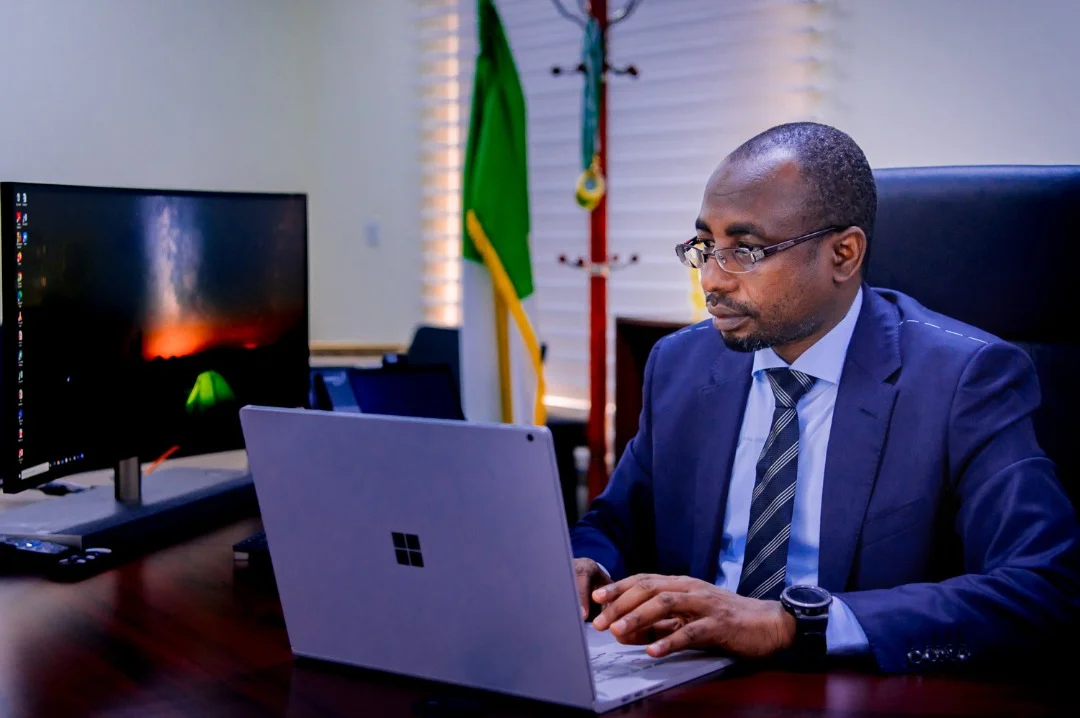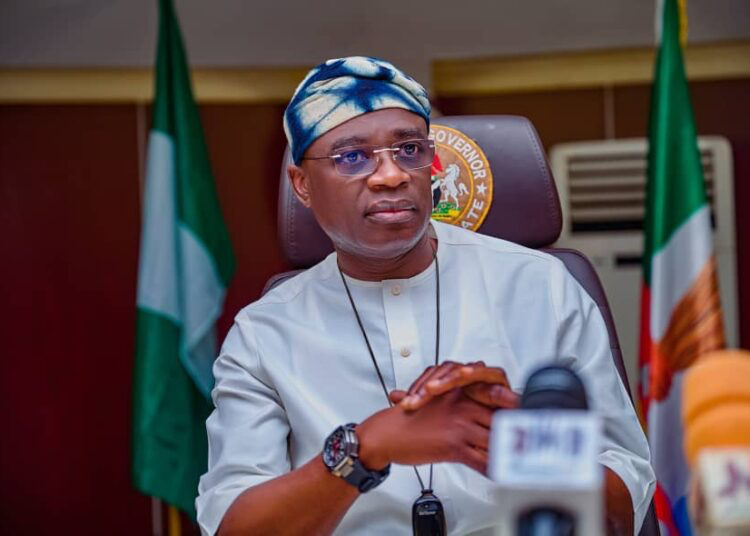
Abdulazeez Kaka recently held a significant engagement with Sani Rabiu Bako, Chairman of the Kaduna State Fiscal Responsibility Commission, in a meeting that underscored the importance of collaboration, accountability, and forward-thinking leadership.
The interaction created an avenue for meaningful dialogue around governance, fiscal discipline, and sustainable development. Through this exchange, Abdulazeez Kaka gained valuable insights that will continue to shape strategic direction and reinforce commitment to impactful service.
Moreover, the Chairman’s guidance highlighted the critical role of institutional integrity in driving long-term progress. His perspectives emphasized that strong systems, when supported by responsible leadership, can deliver measurable outcomes that benefit both government and citizens.
Expanding Grassroots Engagement for Inclusive Development
Beyond institutional discussions, Abdulazeez Kaka extended his engagement to community stakeholders, recognizing that sustainable development must be rooted in grassroots participation.
In Unguwan Rimi, Kaduna State, Nigeria, he met with respected leaders led by Tanko Tela. The meeting provided an opportunity to listen to community concerns, understand local priorities, and build stronger connections.
Similarly, in Unguwan Dosa, Kaduna State, Nigeria, he engaged with stakeholders led by Musa Sheriff. These discussions reinforced the importance of inclusive leadership and the need to involve communities in decision-making processes.
Such engagements ensure that policies and initiatives reflect the realities of the people they are designed to serve.
Building Trust Through Dialogue and Shared Vision
Trust remains a cornerstone of effective leadership.
During these engagements, community leaders expressed their confidence and reaffirmed their support. Their words of wisdom and encouragement reflected a shared commitment to progress and unity.
Abdulazeez Kaka acknowledged that leadership is not only about direction but also about listening and collaboration. By creating platforms for open dialogue, he continues to strengthen relationships and build trust across different levels of society.
Furthermore, these interactions foster a sense of ownership among stakeholders. When communities feel heard and valued, they are more likely to support and sustain development initiatives.
Harnessing Collective Wisdom for Sustainable Impact
The meetings highlighted the power of collective wisdom.
Institutional leaders bring experience and policy insight, while community stakeholders offer practical perspectives and lived realities.
By combining these viewpoints, Abdulazeez Kaka is better positioned to develop solutions that are both strategic and relevant.
This approach ensures that initiatives are not only well-designed but also widely accepted and supported.
In addition, it creates a collaborative environment where challenges can be addressed proactively.
A Commitment to Continuous Engagement
Sustained engagement remains central to the journey ahead.
Abdulazeez Kaka has demonstrated a consistent commitment to maintaining strong relationships with both institutional and community stakeholders.
Regular interactions provide opportunities to review progress, address concerns, and refine strategies.
Therefore, engagement is not a one-time activity. It is an ongoing process that drives accountability and continuous improvement.
Looking Ahead with Purpose and Confidence
As these engagements continue to shape the path forward, the focus remains clear.
Abdulazeez Kaka aims to build a network of collaboration that supports sustainable development and inclusive growth.
With guidance from leaders like Sani Rabiu Bako and support from community figures such as Tanko Tela and Musa Sheriff, the foundation for meaningful progress continues to strengthen.
Ultimately, this approach reflects a leadership style grounded in listening, learning, and partnership. It demonstrates that lasting impact emerges when institutions and communities work together toward a shared vision in Nigeria.