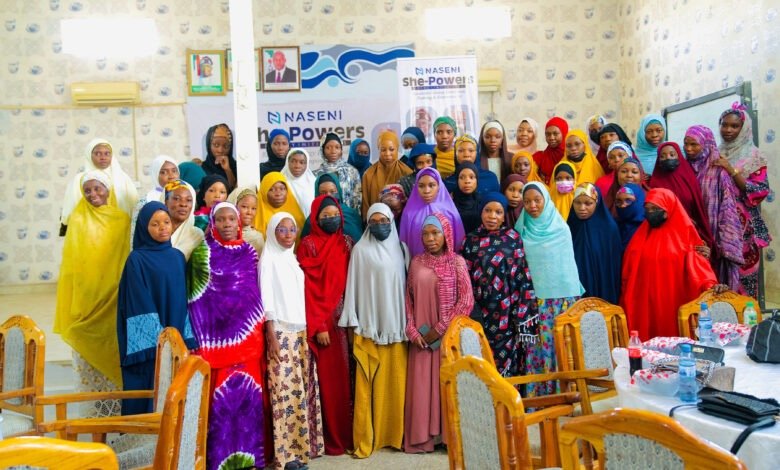
The National Agency for Science and Engineering Infrastructure (NASENI) has trained 50 women in Kano State on inverter and battery technologies as part of its ongoing efforts to increase female participation in Nigeria’s rapidly expanding clean energy sector.
The training programme forms part of NASENI’s broader strategy to equip women with practical technical skills, promote renewable energy adoption, and create sustainable employment opportunities through innovation and technology.
Furthermore, the initiative aligns with the Federal Government’s commitment to empowering women, strengthening local capacity, and accelerating Nigeria’s transition to a cleaner and more sustainable energy future.
Empowering Women Through Technical Skills
NASENI emphasized that women possess enormous potential to contribute to Nigeria’s industrial and technological development when provided with the right opportunities.
Furthermore, the agency believes that expanding women’s access to technical training promotes greater economic inclusion while reducing unemployment and poverty.
Through specialised instruction in inverter installation, battery maintenance, troubleshooting, and energy storage technologies, participants acquired practical skills capable of supporting self-employment and long-term career development.
Consequently, the programme equips beneficiaries with valuable expertise that can be applied immediately within the growing renewable energy industry.
Supporting Nigeria’s Clean Energy Transition
Renewable energy continues to play a vital role in addressing Nigeria’s electricity challenges.
Furthermore, increasing demand for solar power systems has created new opportunities for skilled professionals capable of installing, maintaining, and servicing renewable energy equipment.
NASENI explained that developing local technical expertise remains essential to supporting the country’s clean energy transition.
Expanding Opportunities for Women
Accordingly, the agency continues to invest in human capital development while encouraging greater participation in renewable energy technologies.
The agency noted that women remain underrepresented in many technical and engineering professions despite their ability to excel in those fields.
Furthermore, initiatives such as this training programme help bridge the gender gap by encouraging more women to pursue careers in science, technology, engineering, and renewable energy.
NASENI stressed that empowering women with technical knowledge strengthens families, supports local economies, and contributes to national development.
The agency therefore reaffirmed its commitment to creating additional opportunities for women across Nigeria.
Creating Jobs Through Innovation
Beyond technical knowledge, the programme also promotes entrepreneurship and business development.
Furthermore, participants can establish renewable energy service businesses, provide maintenance support, or secure employment within the expanding clean energy market.
As demand for inverter systems and battery technologies continues to increase, trained professionals are expected to play an important role in meeting industry needs.
Consequently, the initiative contributes directly to employment creation while supporting Nigeria’s broader economic diversification agenda.
Building Local Technical Capacity
NASENI continues to prioritise capacity building as a key driver of industrial development.
Furthermore, investing in technical education strengthens Nigeria’s ability to manufacture, install, maintain, and improve locally available technologies.
The agency explained that developing indigenous expertise reduces dependence on foreign technical services while encouraging innovation and knowledge transfer.
Such investments also strengthen Nigeria’s long-term competitiveness within the global renewable energy industry.
Supporting the Nigeria First Policy
The training programme complements the Federal Government’s Nigeria First Policy, which encourages greater utilisation of local talent, indigenous technology, and domestic manufacturing.
Furthermore, skilled Nigerian professionals remain essential to achieving the policy’s objectives of industrial growth, job creation, and technological self-reliance.
NASENI observed that empowering women with practical engineering skills contributes significantly to building a stronger and more inclusive industrial workforce.
The agency therefore pledged to continue supporting programmes that expand opportunities for local talent.
Driving Sustainable Development
Renewable energy contributes not only to improved electricity access but also to environmental sustainability and economic resilience.
Furthermore, expanding the number of qualified renewable energy professionals accelerates the adoption of clean technologies across communities and businesses.
NASENI believes that sustained investment in skills development will strengthen Nigeria’s renewable energy ecosystem while supporting national efforts to reduce energy poverty.
The agency added that empowering women remains central to achieving inclusive and sustainable development.
A Brighter Future Through Skills and Innovation
The successful training of 50 women in Kano State demonstrates NASENI’s commitment to building a highly skilled workforce capable of driving Nigeria’s clean energy transformation.
Furthermore, the initiative highlights the agency’s broader vision of promoting innovation, expanding female participation in technical fields, and creating sustainable employment opportunities.
As more women acquire specialised knowledge in inverter and battery technologies, they will contribute to expanding renewable energy access, strengthening local industries, and advancing Nigeria’s journey toward a more resilient, technology-driven, and sustainable economy.