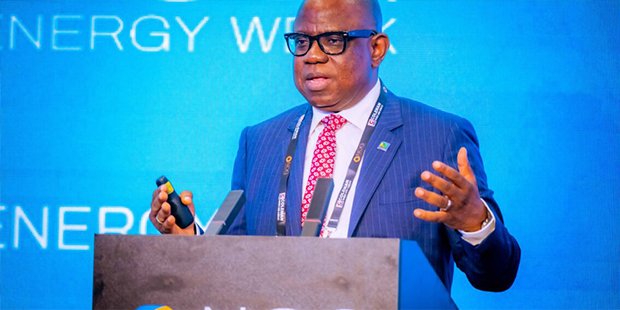
The Director General of the National Information Technology Development Agency (NITDA), Kashifu Inuwa, has stated that the future growth of Nigeria’s banking industry will depend less on capital accumulation and more on the ability of financial institutions to build digital trust through artificial intelligence (AI), regulatory technology (RegTech), and robust cyber resilience.
According to Inuwa, rapid digital transformation is reshaping the financial services industry, making trust, security, innovation, and regulatory compliance the new foundations for sustainable banking growth.
Furthermore, he noted that financial institutions must continuously adapt to emerging technologies while protecting customers and maintaining confidence in the digital financial ecosystem.
Digital Trust Becoming a Competitive Advantage
Inuwa explained that digital trust has become one of the most valuable assets for financial institutions.
Furthermore, customers increasingly expect secure, transparent, reliable, and efficient digital banking services that safeguard personal information and financial transactions.
Banks capable of maintaining high levels of digital trust will strengthen customer confidence and improve long-term competitiveness.
Trust drives digital adoption.
Artificial Intelligence Transforming Banking
The NITDA Director General highlighted artificial intelligence as one of the technologies shaping the future of financial services.
Furthermore, AI enables banks to improve customer service, strengthen fraud detection, automate routine operations, enhance credit assessments, personalise financial products, and support data-driven decision-making.
Responsible AI adoption can significantly improve operational efficiency.
Innovation strengthens financial services.
Role of Regulatory Technology
Inuwa also emphasised the growing importance of Regulatory Technology, commonly known as RegTech.
Furthermore, RegTech solutions help financial institutions improve compliance with regulatory requirements while reducing operational costs and enhancing reporting accuracy.
Automated compliance systems allow banks to respond more efficiently to evolving regulatory expectations.
Technology improves governance.
Cyber Resilience Remains Essential
The NITDA boss stressed that cyber resilience must remain a strategic priority for the banking sector.
Furthermore, increasing digital transactions have expanded exposure to cyber threats, making continuous investment in cybersecurity infrastructure, threat intelligence, staff training, and incident response capabilities increasingly important.
Strong cyber resilience protects customers and financial institutions alike.
Security underpins digital confidence.
Innovation and Regulation Must Work Together
According to Inuwa, technological innovation should develop alongside effective regulatory oversight.
Furthermore, collaboration between regulators, financial institutions, technology companies, and cybersecurity experts ensures that innovation remains secure, responsible, and beneficial to consumers.
Balanced regulation encourages sustainable technological advancement.
Preparing for the Digital Economy
The Director General observed that Nigeria’s financial institutions must position themselves for an increasingly digital economy.
Furthermore, embracing emerging technologies while investing in digital skills, infrastructure, and governance frameworks will improve competitiveness both within Nigeria and internationally.
Digital transformation remains central to future economic growth.
Supporting Financial Inclusion
Inuwa noted that technology also provides opportunities to expand financial inclusion.
Furthermore, secure digital platforms, AI-powered financial services, and innovative payment systems can improve access to banking services for underserved communities across the country.
Technology continues breaking traditional barriers to financial access.
Inclusive finance strengthens economic development.
Building the Future of Nigerian Banking
Kashifu Inuwa concluded that Nigeria’s banking sector stands at a critical stage of digital transformation.
Furthermore, institutions that successfully combine artificial intelligence, Regulatory Technology, strong cybersecurity, customer trust, regulatory compliance, and continuous innovation will be best positioned to thrive in the evolving financial landscape.
He added that sustained investment in digital trust, resilient technology infrastructure, and responsible innovation will strengthen Nigeria’s financial system, enhance customer confidence, promote financial inclusion, and support the country’s broader digital economy agenda in the years ahead.