A few days ago, the Nigerian National Petroleum Company Limited signed a fresh agreement with two Chinese firms to revamp the government-owned refineries located in Port Harcourt and Warri. The development has attracted national attention as Nigeria continues searching for lasting solutions to its long-standing refining and fuel supply challenges.
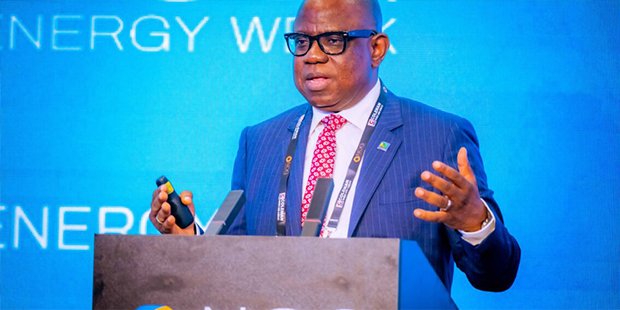
According to the Group Chief Executive Officer of Nigerian Nattional Petroleum Company Limited, Bayo Ojulari, the Memorandum of Understanding represents a “critical milestone” in the company’s refinery transformation drive and opens a new window for technical equity partnerships.
The agreement reflects renewed efforts to restore confidence in Nigeria’s downstream petroleum sector and reduce dependence on imported refined petroleum products.
Why Nigeria’s Refineries Matter
Refineries remain strategic national assets.
For decades, Nigeria has paradoxically remained heavily dependent on fuel imports despite being one of Africa’s major crude oil producers. Therefore, the inability of local refineries to function efficiently has continued affecting energy security, foreign exchange stability, and economic growth.
Functional refineries strengthen national independence.
Countries with effective refining capacity often enjoy greater control over fuel supply, pricing stability, and industrial growth. Therefore, revamping the Port Harcourt and Warri refineries remains important for Nigeria’s long-term economic stability.
Years of Challenges in the Refining Sector
Nigeria’s refinery crisis did not begin recently.
For many years, the country’s state-owned refineries struggled with operational inefficiencies, aging infrastructure, poor maintenance culture, and inconsistent output. Consequently, billions of dollars were spent on fuel importation despite the country’s enormous crude oil reserves.
The situation created widespread public frustration.
Citizens repeatedly questioned why an oil-producing nation could not refine enough petroleum products for domestic consumption. Therefore, refinery rehabilitation efforts continue attracting strong public interest and expectations.
The Importance of Technical Partnerships
Modern refinery rehabilitation requires expertise.
Large-scale refinery upgrades demand advanced engineering, technology transfer, financing structures, and technical experience. Therefore, partnerships with international firms may provide the expertise necessary to restore efficiency and sustainability.
According to Bayo Ojulari, the agreement also creates opportunities for technical equity partnerships capable of improving operational performance and long-term management.
Strategic collaboration often strengthens industrial transformation efforts.
Economic Benefits of Functional Refineries
Refinery revival could reshape Nigeria’s economy.
Efficient local refining has the potential to reduce fuel importation costs, conserve foreign exchange, create employment opportunities, and stimulate industrial growth. Therefore, successful rehabilitation projects may significantly improve economic stability.
Lower dependence on imports also strengthens energy security.
When countries refine petroleum products locally, they become less vulnerable to international supply disruptions and foreign exchange pressures. Consequently, refinery revitalization remains strategically important.
Impact on Fuel Supply and Prices
Stable refining capacity may improve fuel availability.
Nigeria has experienced recurring fuel supply disruptions and pricing concerns over the years. Therefore, functional refineries may help stabilize domestic petroleum supply and reduce logistics pressures associated with importation.
Energy stability supports broader economic activities.
Transportation, manufacturing, agriculture, and small businesses all depend heavily on reliable fuel supply. Consequently, refinery rehabilitation could positively affect multiple sectors of the economy.
Challenges Ahead for the Refinery Revamp
The agreement alone will not solve everything immediately.
Past rehabilitation efforts faced delays, controversies, funding concerns, and operational setbacks. Therefore, many Nigerians remain cautiously optimistic about the latest development.
Transparency and accountability will remain essential.
Citizens expect measurable progress, clear timelines, and visible improvements rather than repeated promises. Consequently, the success of the partnership will depend heavily on implementation and sustained commitment.
The Role of NNPCL in Energy Reform
Nigerian National Petroleum Company Limited continues repositioning itself within Nigeria’s energy sector.
Since transitioning into a limited liability company, the organization has increasingly emphasized commercial efficiency, partnerships, and modernization. Therefore, the refinery transformation initiative aligns with broader efforts to improve operational performance and attract investment.
The energy sector remains central to national development.
Oil and gas revenues continue supporting government finances, infrastructure development, and economic activities across Nigeria.
Looking Ahead
Nigeria’s energy future depends on implementation.
The success of the Port Harcourt and Warri refinery rehabilitation projects may influence investor confidence, energy security, and public trust in ongoing reforms. Therefore, stakeholders will closely monitor progress in the coming months.
Long-term sustainability will also require proper maintenance culture and efficient management systems.
Nigeria cannot afford another cycle of abandoned infrastructure and failed rehabilitation efforts.
Conclusion: A Critical Opportunity for Energy Transformation
The fresh agreement signed between Nigerian National Petroleum Company Limited and two Chinese firms represents another important step toward reviving Nigeria’s struggling refinery sector.
By describing the deal as a critical milestone, Bayo Ojulari highlighted the broader ambition to transform local refining capacity and strengthen technical partnerships.
Ultimately, successful refinery rehabilitation could reduce fuel importation, improve energy security, conserve foreign exchange, and support economic growth across Nigeria.
For many Nigerians, the real expectation now is simple: visible results, sustainable operations, and a refinery system capable of finally serving the nation effectively.