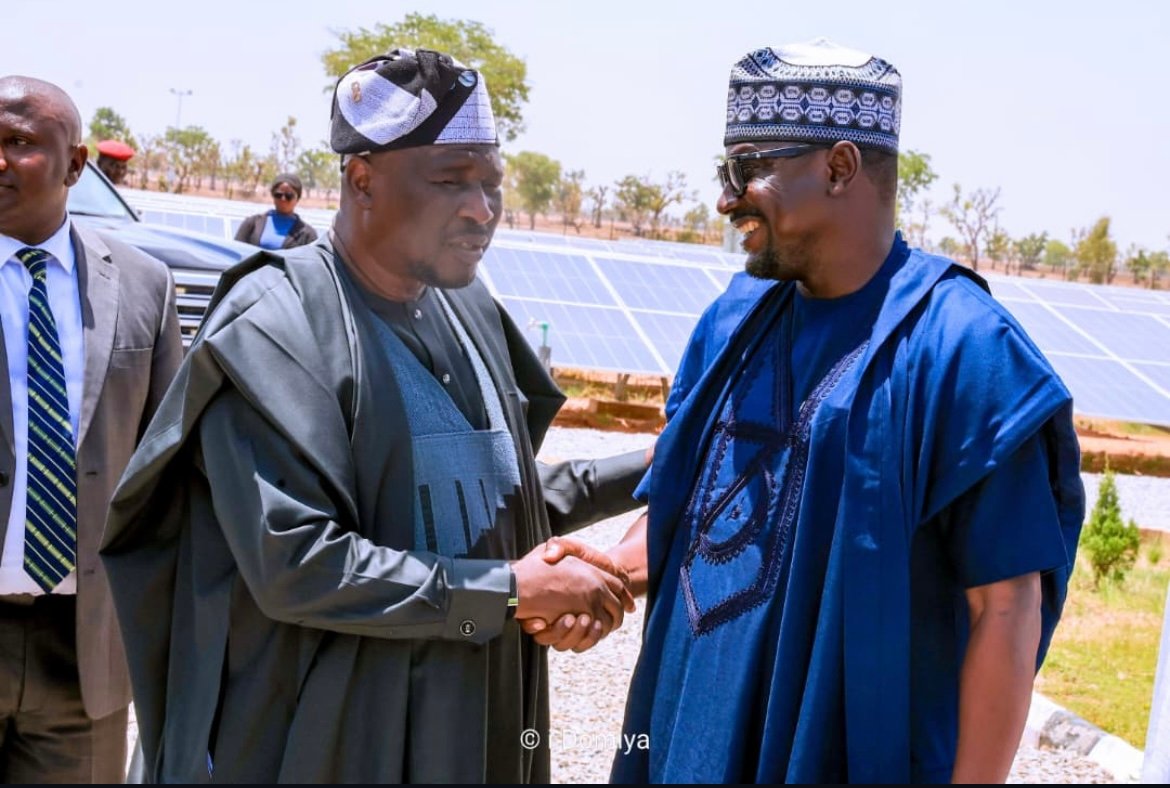
According to Abba Aliyu, one of the most rewarding aspects of ongoing electrification efforts is witnessing how reliable electricity can completely transform learning environments and create new opportunities for young Nigerians.
The statement highlights the growing importance of stable electricity supply in improving education, digital access, innovation, and economic empowerment across Nigeria. Therefore, access to reliable power increasingly represents more than infrastructure development alone — it now plays a direct role in shaping educational outcomes and future opportunities for millions of students.
Electricity remains essential for modern development.
Why Reliable Electricity Matters in Education
Learning environments depend heavily on stable power systems.
Schools, universities, libraries, and training centres increasingly require electricity for lighting, internet access, digital learning tools, research systems, and classroom technology. Therefore, unreliable electricity can significantly affect educational quality and student performance.
Modern education depends on technology.
Digital learning platforms, online research, and electronic teaching systems often require uninterrupted electricity to function effectively.
Power access improves productivity.
How Electricity Transforms Schools
Reliable electricity creates safer and more effective learning environments.
Students often study more comfortably in well-lit classrooms while teachers gain access to improved instructional tools and digital resources. Therefore, electrified schools frequently experience stronger learning engagement and operational efficiency.
Technology enhances educational delivery.
Computer laboratories, smart classrooms, and internet-enabled learning systems increasingly shape modern educational experiences worldwide.
Electricity supports innovation and creativity.
Opportunities for Young Nigerians
Access to electricity expands opportunities beyond classrooms.
Young people increasingly rely on power for digital entrepreneurship, technology training, online learning, creative industries, and vocational development. Therefore, stable electricity can significantly improve youth empowerment and economic participation.
Digital skills require digital infrastructure.
Reliable power often enables young entrepreneurs and students to participate more effectively within the global digital economy.
Energy access supports self-development.
The Link Between Energy and National Development
Electricity remains a major driver of economic growth.
Countries with strong energy infrastructure often experience better industrial productivity, improved educational outcomes, stronger healthcare systems, and increased investment opportunities. Therefore, expanding reliable electricity access remains strategically important for national development.
Infrastructure influences competitiveness.
Stable power systems frequently improve business confidence and social productivity.
Development depends partly on energy access.
Nigeria’s Rural Electrification Efforts
Nigeria continues investing in rural and decentralized electrification projects.
Government agencies and development partners increasingly focus on solar energy systems, mini-grids, renewable energy solutions, and off-grid electrification programmes aimed at underserved communities. Therefore, many schools and institutions now benefit from improved electricity access.
Renewable energy supports inclusion.
Solar systems frequently provide practical solutions for communities lacking stable national grid connections.
Energy access reduces inequality.
Digital Learning and the Future of Education
The future of education increasingly depends on technology integration.
Online courses, virtual classrooms, digital libraries, and remote learning platforms now shape educational systems globally. Therefore, reliable electricity becomes essential for preparing students for modern economic realities.
Digital education improves access to knowledge.
Technology often allows students to connect with global educational opportunities and innovation ecosystems.
Connectivity strengthens learning experiences.
Why Students Need Stable Power
Students rely on electricity for daily academic activities.
Charging devices, conducting online research, accessing digital materials, and studying during evening hours all require dependable power supply. Therefore, electricity access directly affects educational opportunities and academic performance.
Learning conditions influence success.
Students often perform better within environments that support concentration, comfort, and technological access.
Power supports academic growth.
Youth Empowerment Through Infrastructure
Infrastructure development frequently shapes economic opportunity.
Young people often benefit directly from investments involving electricity, internet connectivity, transportation, and digital systems. Therefore, infrastructure improvements may help reduce unemployment and strengthen innovation.
Empowered youth drive national progress.
Entrepreneurship, technology adoption, and skills development frequently increase within connected communities.
Infrastructure supports long-term growth.
The Importance of Sustainable Energy Solutions
Renewable energy continues gaining importance globally.
Solar electrification projects increasingly provide practical and environmentally sustainable energy solutions for schools, homes, and businesses across developing economies. Therefore, clean energy investments may improve educational access while supporting sustainability goals.
Clean energy supports resilience.
Renewable systems often improve electricity access in remote and underserved regions.
Sustainability encourages long-term development.
Looking Ahead
Efforts to expand electricity access across Nigeria are expected to remain central to development planning.
As educational institutions increasingly adopt digital learning systems, stable electricity will likely become even more critical for preparing young Nigerians for future economic opportunities.
Energy access will remain transformational.
Conclusion: Electricity as a Tool for Education and Opportunity
The remarks by Abba Aliyu highlight the powerful connection between reliable electricity, quality education, and youth empowerment within Nigeria.
By improving learning environments and supporting digital access, stable power systems can help unlock innovation, strengthen educational outcomes, and create broader economic opportunities for millions of young Nigerians.
Ultimately, expanding reliable electricity access remains one of the most important investments for building a more educated, productive, and competitive future generation.