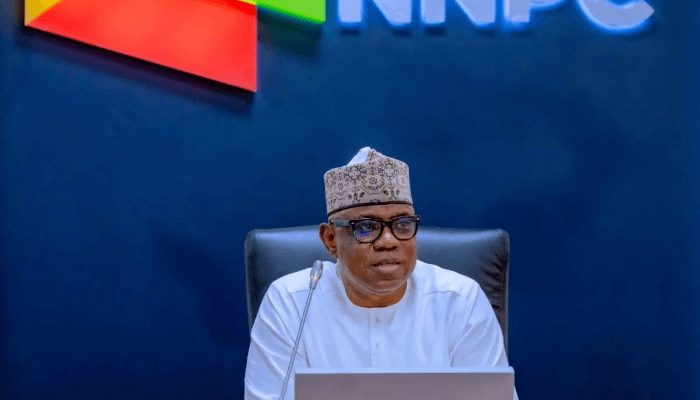
A new policy shift within Nigeria’s oil and gas sector follows compliance by the Nigerian National Petroleum Company Limited (NNPCL) with a presidential directive aimed at improving fiscal transparency and strengthening government revenue generation from the petroleum industry.
The development reflects ongoing efforts by the Federal Government to improve accountability, transparency, and financial efficiency within one of Nigeria’s most strategically important economic sectors. Therefore, the move is expected to influence broader conversations surrounding public finance management and energy sector reforms.
Transparency remains increasingly important within global energy markets.
Why Fiscal Transparency Matters
Fiscal transparency refers to openness in financial reporting and revenue management.
Governments and public institutions often implement transparency measures to improve accountability, reduce leakages, and strengthen public confidence in revenue administration. Therefore, reforms targeting clearer financial oversight frequently attract attention within resource-dependent economies.
Transparency improves institutional credibility.
Clear reporting systems often strengthen investor confidence and public trust in governance processes.
Accountability supports economic stability.
The Importance of the Oil and Gas Sector
The petroleum industry remains central to Nigeria’s economy.
Crude oil exports continue contributing significantly to government revenues, foreign exchange earnings, and national fiscal planning. Therefore, transparency and efficiency within the sector directly influence economic stability and public finance management.
Oil revenue supports national development.
Infrastructure projects, public services, and government programmes often depend partly on energy sector earnings.
Revenue management affects economic planning.
NNPCL’s Role in Nigeria’s Economy
Nigerian National Petroleum Company Limited remains Nigeria’s leading state-owned energy company.
The organization plays major roles in oil exploration, production, refining, distribution, and energy sector partnerships. Therefore, its financial operations and compliance practices carry substantial national economic importance.
Energy institutions influence national growth.
Operational efficiency frequently affects government revenues and investor sentiment within the sector.
Institutional reforms remain strategically important.
The Presidential Directive and Reform Agenda
The directive reportedly focused on improving revenue accountability and financial discipline.
Governments often issue policy directives aimed at strengthening institutional performance, increasing operational transparency, and improving public finance systems. Therefore, compliance by NNPCL signals alignment with broader economic reform objectives.
Reforms frequently target efficiency improvements.
Public sector accountability often becomes central during fiscal restructuring and economic modernization efforts.
Leadership influences institutional direction.
Why Revenue Optimization Matters
Governments worldwide seek stronger revenue management systems.
Efficient revenue collection and reporting frequently improve governments’ ability to finance infrastructure, healthcare, education, transportation, and security programmes. Therefore, optimizing oil and gas revenues remains critical for Nigeria’s economic planning.
Revenue stability supports development.
Strong financial management often improves long-term fiscal sustainability and investor confidence.
Economic growth depends partly on institutional efficiency.
Improving Confidence in the Energy Sector
Transparency reforms may strengthen investor confidence.
International investors and energy companies often evaluate governance quality, regulatory stability, and financial transparency before making investment decisions. Therefore, accountability reforms within NNPCL may positively influence Nigeria’s energy investment environment.
Clear governance improves competitiveness.
Transparent financial systems frequently encourage stronger public-private partnerships and investment flows.
Trust supports economic growth.
Global Pressure for Transparency in Extractive Industries
Extractive industries increasingly face international scrutiny.
Oil-producing countries worldwide continue implementing reforms aimed at improving accountability, environmental responsibility, and financial disclosure within energy sectors. Therefore, Nigeria’s transparency efforts align with broader global governance trends.
International standards influence policy reforms.
Transparency initiatives often strengthen institutional reputation and economic partnerships.
Good governance supports sustainability.
Challenges Facing Nigeria’s Oil Sector
Despite reforms, challenges remain within the petroleum industry.
Oil theft, infrastructure limitations, regulatory uncertainty, fluctuating global prices, and operational inefficiencies have historically affected sector performance. Therefore, sustained reforms remain necessary for long-term stability.
Institutional reforms require consistency.
Successful implementation often depends on coordination, oversight, and policy continuity.
Energy sector recovery takes time.
The Link Between Transparency and Economic Growth
Transparent institutions often support stronger economies.
When public revenues are managed efficiently and reported clearly, governments may improve planning, reduce corruption risks, and strengthen service delivery. Therefore, fiscal transparency frequently contributes to broader economic confidence.
Governance quality affects development outcomes.
Efficient systems often improve relationships between governments, investors, and citizens.
Accountability encourages stability.
Public Expectations Moving Forward
Stakeholders will likely monitor implementation closely.
Citizens, investors, industry operators, and financial analysts frequently assess whether reforms produce measurable improvements in transparency, operational efficiency, and revenue generation. Therefore, sustained compliance and accountability will remain important.
Public trust depends on results.
Reforms often gain credibility through visible institutional improvements and consistent implementation.
Performance shapes confidence.
Looking Ahead
Nigeria’s oil and gas sector is expected to remain central to economic reform discussions.
Authorities will likely continue pursuing measures aimed at improving governance, strengthening fiscal discipline, and enhancing operational performance across the petroleum industry.
Energy sector modernization remains a national priority.
Conclusion: Transparency Reforms Strengthen Nigeria’s Energy Governance
The latest policy shift following compliance by the Nigerian National Petroleum Company Limited with the presidential directive reflects growing efforts to improve fiscal transparency and strengthen government revenues within Nigeria’s oil and gas sector.
By prioritizing accountability and financial discipline, the reforms may improve institutional efficiency, investor confidence, and long-term economic management.
Ultimately, sustained transparency and effective governance will remain essential for maximizing the benefits of Nigeria’s petroleum resources and supporting national development goals.